You probably use public restrooms without a second thought, but have you ever wondered what really happens when you sit down on that toilet seat? It might seem like a simple, everyday action, but sitting on public toilet seats could expose you to germs and bacteria that you don’t want anywhere near your body.
What if the seat isn’t as clean as it looks? What if some invisible dangers are lurking right where you place yourself? Understanding the risks can help you protect your health and avoid infections you never expected. Keep reading to discover the hidden dangers of sitting on public toilet seats—and what simple steps you can take to stay safe every time you need to use one.
Germ Presence On Toilet Seats
Public toilet seats can harbor many germs. These germs come from many sources and can cause illnesses. Understanding the types of germs helps us stay safe.
Common Bacteria And Viruses
Public toilet seats often carry bacteria like E. coli and Staphylococcus. Viruses such as norovirus and influenza may also be present. These germs can cause stomach problems, skin infections, and flu-like symptoms.
Sources Of Contamination
Germs come from human waste, skin cells, and unwashed hands. Splashing during flushing spreads germs onto the seat and nearby surfaces. Poor cleaning routines increase the risk of contamination.
Survival Duration Of Pathogens
Some bacteria can live on toilet seats for hours. Viruses may survive up to several days depending on the type. Moist and warm conditions help germs survive longer on surfaces.
Credit: www.everlywell.com
Myths About Germ Transmission
Many people worry about catching germs from public toilet seats. Stories about dangerous bacteria and infections spread easily. These fears often lead to avoiding sitting down or using seat covers. Understanding the truth behind these myths can help reduce unnecessary anxiety. It also encourages safer and cleaner bathroom habits.
Risk Of Infection From Seats
Toilet seats are not the main source of infections. Most germs found on seats do not cause illness. Human skin acts as a strong barrier against common bacteria. Germs need a way to enter the body, such as cuts or mucous membranes. Touching a seat rarely transfers enough germs to cause sickness.
Role Of Toilet Plume
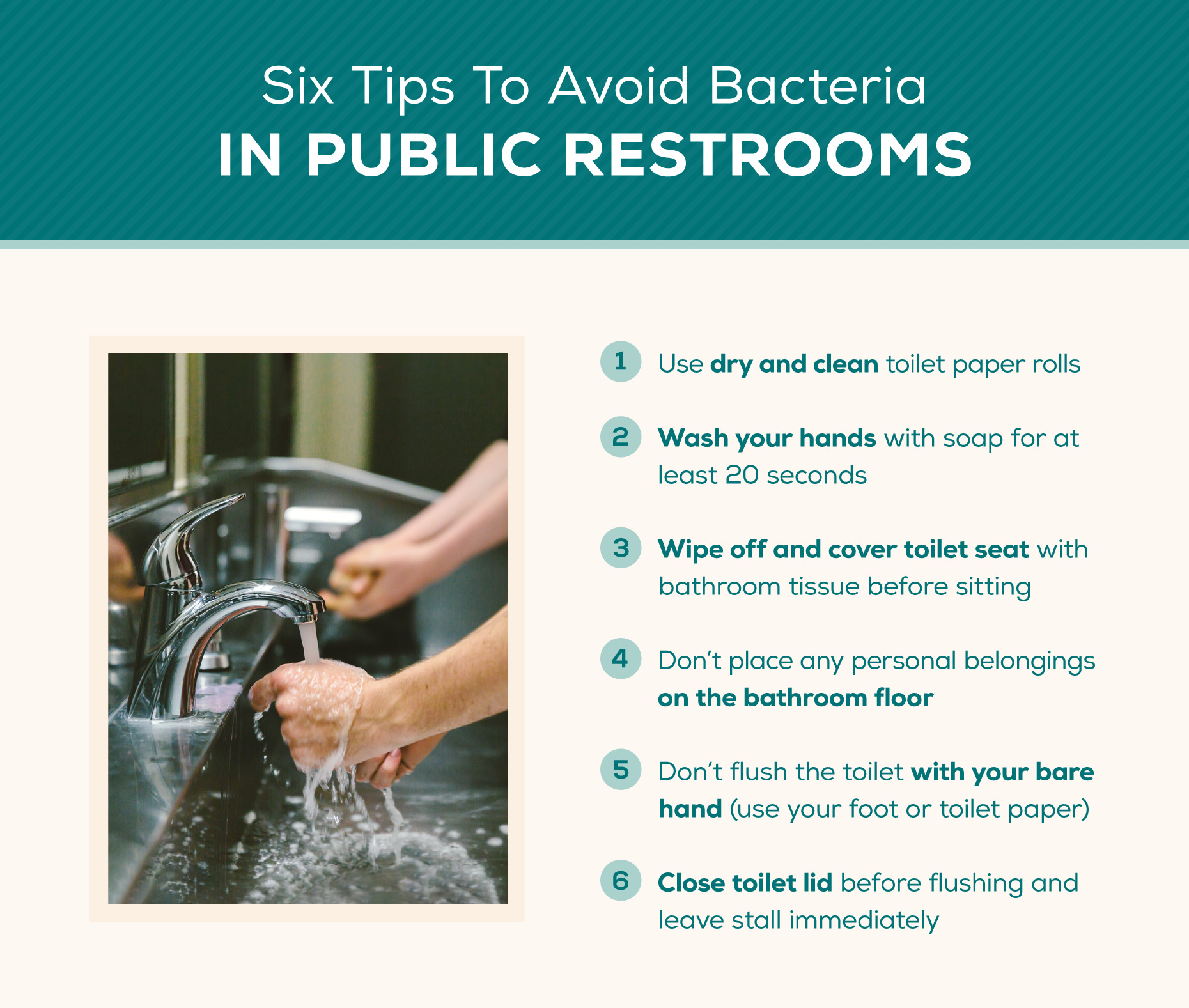
Toilet plume happens when flushing sprays tiny droplets into the air. These droplets can carry germs from the bowl. They may settle on nearby surfaces, including the seat. Airborne germs can spread more easily than those on the seat. Closing the lid before flushing helps reduce this risk.
Effectiveness Of Toilet Seat Covers
Toilet seat covers provide some protection but are not foolproof. They mainly stop direct skin contact with the seat. Germs can still be present on hands and other surfaces. Some covers tear easily or slip out of place. Cleaning hands thoroughly after use is more effective than relying on covers alone.
Hidden Health Risks
Public toilet seats may look clean but can hide many health risks. Germs and bacteria live on these surfaces. Sitting without caution may cause infections or skin problems.
Understanding these hidden risks helps protect your health. Simple habits reduce chances of catching diseases or injuries.
Urinary Tract Infections And Public Toilets
Urinary tract infections (UTIs) often occur after contact with bacteria. Public toilets can carry germs that cause UTIs. These bacteria transfer from the seat to the skin.
Women face higher risks because of anatomy and exposure. Cleaning the seat or using barriers lowers infection chances. Avoid direct contact with the seat’s surface.
Skin Irritations And Cuts
Rough or dirty toilet seats may cause skin irritation. Cuts and scrapes allow germs to enter the body. These minor wounds can lead to infections if not cleaned.
Using toilet seat covers or wiping the seat helps reduce skin problems. Always check the seat for damage before sitting.
Risks From Prolonged Sitting
Sitting on any hard surface too long can cause discomfort. Prolonged sitting on public toilets may reduce blood flow. This leads to numbness or pain in the legs and lower body.
Quick visits to the restroom are safer. Avoid sitting longer than needed to prevent health issues.

Credit: www.youtube.com
Public Restroom Hygiene Tips
Public restrooms can be a hotspot for germs and bacteria. Practicing good hygiene helps reduce the risk of infection. Simple habits protect your health and make restroom visits safer.
Cleaning The Toilet Seat
Use disinfectant wipes or spray before sitting. Wipe the entire seat surface thoroughly. Let it dry for a few seconds. Avoid using only toilet paper for cleaning. Sanitizing kills many harmful germs and bacteria.
Avoiding Direct Contact
Try not to touch the toilet seat with your bare skin. Hover above the seat or use a disposable seat cover. If unavailable, place toilet paper on the seat. This creates a barrier between you and germs. Keep your clothes and skin away from the seat.
Hand Hygiene Importance
Wash your hands with soap and water after using the restroom. Scrub for at least 20 seconds. Dry hands completely with a clean towel or air dryer. Avoid touching your face before washing hands. Clean hands stop the spread of germs and infections.
Safer Bathroom Practices
Using public restrooms can feel risky. Germs and bacteria hide on many surfaces. Practicing safer bathroom habits lowers the chance of infections. Simple actions make a big difference in hygiene and comfort.
Following easy steps protects your health. Clean the area before use. Avoid touching your face after use. Wash hands thoroughly. These habits reduce germ spread effectively.
Using Alcohol Wipes
Alcohol wipes kill many germs fast. Wipe the toilet seat before sitting. Let the surface dry for full effect. Carry wipes in your bag for easy access. This reduces germs you contact directly.
Foot-operated Flushing
Touching flush handles spreads germs easily. Foot-operated flush systems help avoid hand contact. Use your foot to flush the toilet after use. This simple action keeps your hands cleaner. It lowers the chance of picking up bacteria.
Choosing When To Sit Or Hover
Sitting directly on the seat may feel risky. Hovering keeps your skin away from germs. Choose based on the seat’s cleanliness and your comfort. Hover for short times to avoid strain. Use toilet paper as a barrier if needed.

Credit: cathedralhygiene.com
Other Contaminated Restroom Surfaces
Public restrooms contain many surfaces loaded with germs. These spots often get overlooked but carry high risks of contamination. Touching or contacting them can spread bacteria and viruses. Understanding these areas helps protect your health.
Sinks And Faucets
Sinks and faucets often have more germs than toilet seats. Many people touch them after using the restroom without washing hands properly. Water alone does not kill germs. Faucets can hold bacteria from dirty hands. Avoid touching faucets directly. Use a paper towel to turn them off after washing.
Door Handles And Locks
Door handles and locks are touched by everyone entering or leaving. They collect germs from multiple hands throughout the day. Some bacteria survive on these surfaces for hours. Using a tissue or sleeve to open doors lowers infection risk. Wash your hands immediately after leaving the restroom.
Floors And Trash Bins
Floors in restrooms are often wet and dirty. They collect dirt, bacteria, and even fecal matter. Trash bins hold used tissues and sanitary products full of germs. Avoid placing bags or personal items on the floor. Keep your feet off the floor as much as possible. Dispose of trash carefully without touching bin surfaces.
Psychological Factors And Anxiety
Many people feel anxious about sitting on public toilet seats. This fear often grows from worries about germs and infections. Such anxiety can affect how people behave in public restrooms. It can also influence their overall comfort and health.
Understanding these psychological factors helps manage fears and make better choices. It is important to separate real risks from imagined threats.
Fear Vs. Actual Risk
People often fear catching diseases from toilet seats. The truth is, most infections come from touching door handles or unwashed hands. Germs on seats rarely cause illness. The skin acts as a strong barrier against bacteria. Fear can make a small risk feel much larger than it is.
Impact On Behavior
Anxiety may lead to avoiding public restrooms. Some may hover above the seat instead of sitting. This posture can cause muscle strain and discomfort. Others might use excessive cleaning products, which irritate the skin. Fear can reduce hygiene rather than improve it.
Balancing Caution And Comfort
It helps to take reasonable precautions without panic. Wiping the seat with a disinfectant is a simple step. Using toilet paper as a barrier adds comfort. Washing hands thoroughly remains the best defense. Staying calm supports both mental and physical health. Finding this balance creates a safer restroom experience.
Frequently Asked Questions
Is It Bad To Sit On A Public Toilet Seat?
Sitting on a public toilet seat poses low infection risk for most healthy people. Germs spread mainly via hands, handles, and toilet plumes. Wiping the seat or using a cover adds protection. Avoid touching your face after use and wash hands thoroughly to stay safe.
Can You Catch Things From Public Toilet Seats?
Catching infections from public toilet seats is rare. Germs survive briefly and need direct contact with cuts or genitals to infect. Clean hands and avoid touching your face to reduce risk. Using wipes or seat covers can add extra protection and peace of mind.
How To Avoid Uti In Public Toilet?
Wipe the seat with a sanitizer before use. Avoid direct contact by sitting on thighs only. Wash hands thoroughly after. Flush with your foot if possible. Limit toilet time to reduce exposure.
Is It Okay To Sit On The Toilet For 30 Minutes?
Sitting on the toilet for 30 minutes can strain your pelvic muscles and increase hemorrhoid risk. Limit your time to avoid discomfort and health issues.
What Germs Are Commonly Found On Public Toilet Seats?
Public toilet seats can carry bacteria like E. coli and Staphylococcus. Viruses and fungi may also be present, but in smaller amounts. Most germs come from poor cleaning and many users.
Can Sitting On Public Toilet Seats Cause Infections?
Infections from toilet seats are rare but possible with cuts or sores. Germs need direct contact with sensitive skin to cause illness. Most infections come from touching dirty surfaces, not the seat itself.
How Effective Are Toilet Seat Covers In Protecting Against Germs?
Toilet seat covers provide a thin barrier but do not block all germs. They can reduce contact but are not fully reliable. Cleaning hands after use remains very important.
What Is “toilet Plume” And How Does It Spread Germs?
Toilet plume is the spray released when flushing. It can spread germs onto nearby surfaces, including the seat and floor. Closing the lid before flushing helps reduce this risk.
Does Wiping The Seat With Toilet Paper Protect Against Germs?
Toilet paper alone does not kill germs but can remove some dirt. Using disinfectant wipes or sprays is more effective for cleaning the seat. Always wash hands after use.
Can You Get A Urinary Tract Infection From Public Toilets?
Urinary tract infections from toilet seats are unlikely but possible. Avoid sitting directly on the seat if you are prone to UTIs. Keeping the area clean and dry helps prevent infection.
Conclusion
Sitting on public toilet seats can expose you to various germs. Most infections come from touching dirty surfaces, not the seat itself. Always clean the seat or use a cover for extra safety. Wash your hands thoroughly after using public restrooms.
Avoid touching your face before cleaning your hands. Taking these simple steps lowers your risk of infection. Stay aware and protect your health whenever you use public toilets. Small actions make a big difference in staying safe.


Leave a Reply