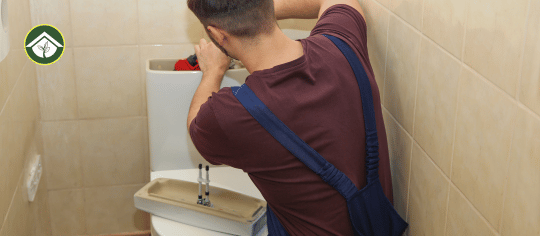
When your toilet starts leaking or feels loose, the problem often comes down to one small but crucial part: the toilet tank bolts. These bolts hold your toilet tank firmly in place, preventing leaks and ensuring everything works smoothly.
If you’ve ever dealt with a shaky tank or water pooling around your toilet base, you know how frustrating it can be. But don’t worry—understanding toilet tank bolts can save you time, money, and a lot of hassle. Keep reading to learn how these simple parts make a big difference and what you can do to keep your bathroom running perfectly.

Credit: www.amazon.com
Common Types Of Toilet Tank Bolts
Toilet tank bolts hold the tank firmly on the bowl. Choosing the right bolts ensures a strong and leak-free connection. These bolts come in different types based on material, size, and coating. Understanding these options helps you pick the best bolts for your toilet.
Material Options
Toilet tank bolts are made from metal or plastic. Metal bolts are strong and last longer. Stainless steel is common because it resists rust. Brass bolts also resist corrosion well. Plastic bolts are cheaper but may break over time. They fit well in low-use toilets or temporary repairs.
Sizes And Measurements
Bolts come in various lengths and diameters. Most toilet tank bolts measure between 2 to 3 inches long. The diameter usually fits standard toilet holes. Choosing the right length prevents leaks and ensures tight fitting. Always measure the distance between the tank and bowl before buying.
Coated Vs. Uncoated Bolts
Coated bolts have a protective layer to stop rust. Common coatings include zinc or chrome. These coatings increase bolt life, especially in moist bathrooms. Uncoated bolts may rust faster and cause leaks. Choose coated bolts for better durability and less maintenance.
Signs You Need To Replace Toilet Tank Bolts
Toilet tank bolts hold the tank firmly to the bowl. Over time, these bolts wear out or break. This can cause problems that affect your toilet’s function. Knowing the signs helps you fix the issue fast. It also avoids bigger repairs later.
Leaks Around The Base
Water pooling around the toilet base often means a loose or broken bolt. The tank may not seal tightly to the bowl. This lets water escape during flushing. Check for dampness or puddles near the floor. It can damage your floor and cause mold.
Corrosion And Rust
Bolts in the toilet tank stay wet and can rust quickly. Rust weakens the bolts, making them fragile. Look inside the tank for orange or brown spots on bolts. Rusted bolts risk breaking and causing leaks. Replace bolts showing heavy corrosion to keep the tank secure.
Loose Or Wobbly Tank
A shaky tank signals that bolts might be loose or damaged. Tighten the bolts carefully to see if it stops the wobbling. If the tank still moves, the bolts may need full replacement. A loose tank can crack or leak, harming the toilet’s function.
Tools And Materials Needed For Replacement
Replacing toilet tank bolts requires the right tools and materials. Using proper items makes the job easier and avoids damage. Preparing all you need before starting saves time and effort. This section lists the essential tools and recommended bolts for a smooth replacement process.
Essential Tools
A wrench or adjustable pliers helps to loosen old bolts. A screwdriver is useful for removing tank lids or other parts. A sponge or towel can soak up water inside the tank. A bucket will catch any leftover water during removal. These tools make the replacement safe and efficient.
Recommended Replacement Bolts
Choose bolts made of stainless steel or brass. These materials resist rust and last longer. Standard sizes fit most toilets, but check your model first. Replace both bolts and washers to prevent leaks. Using quality bolts ensures a tight, secure fit.
Safety Precautions
Turn off the water supply before starting the replacement. Flush the toilet to empty the tank. Wear gloves to protect your hands from sharp edges. Keep the work area dry to avoid slips. Following these steps keeps you safe during the repair.
Step-by-step Repair Process
Repairing toilet tank bolts is a simple task anyone can do. Follow these easy steps to fix or replace the bolts. This guide helps keep your toilet working well without leaks. Take your time and work carefully for best results.
Shutting Off Water Supply
Find the water valve near the toilet base. Turn it clockwise to stop water flow. Flush the toilet to empty the tank. Wait for the tank to drain fully before moving on.
Draining The Tank
Remove the tank lid carefully and set it aside. Press the flush handle to drain more water. Use a sponge or towel to soak up leftover water. Make sure the tank is dry to avoid spills.
Removing Old Bolts
Locate the bolts under the tank. Use a wrench to loosen the nuts. Hold the bolt head inside the tank with pliers. Remove the nuts and lift the old bolts out. Check the tank holes for damage.
Installing New Bolts
Insert new bolts through the tank holes. Place rubber washers to prevent leaks. Tighten the nuts by hand first. Use a wrench to secure them firmly. Avoid overtightening to prevent cracking.
Testing For Leaks
Turn the water valve back on slowly. Let the tank fill and watch for drips. Check around the bolt areas carefully. Tighten nuts slightly if you see leaks. Flush the toilet a few times to confirm.
Tips To Prevent Future Bolt Issues
Toilet tank bolts play a key role in keeping your toilet secure and leak-free. Problems with these bolts can cause leaks and damage. Prevention is better than repair. Follow these tips to avoid future bolt issues. Simple steps can save time and money.
Regular Maintenance
Check the bolts every few months. Look for rust, cracks, or looseness. Tighten loose bolts carefully. Avoid overtightening, which can crack the tank. Replace any damaged bolts right away. Regular checks stop small problems from growing.
Using Anti-corrosion Products
Apply anti-corrosion spray on the bolts. This helps stop rust and corrosion. Use products made for plumbing parts. Apply spray after cleaning the bolts. Keep the bolts dry as much as possible. This extends the life of your toilet bolts.
Proper Installation Techniques
Use the right size bolts for your tank. Hand-tighten first, then use a wrench gently. Place washers between the bolt and tank. This protects the tank from cracking. Avoid mixing metal types to reduce rust. Follow the manufacturer’s instructions carefully.

Credit: www.lowes.com
When To Call A Professional Plumber
Toilet tank bolts are small but important parts of your toilet. They keep the tank and bowl connected and stop leaks. Sometimes, problems with these bolts can be tricky to fix. Knowing when to call a professional plumber saves time and avoids more damage.
Complex Leak Problems
Leaks can be simple or hard to find. If water keeps dripping even after you replace the bolts, the problem might be more complex. A plumber can find hidden leaks in the tank or pipes. They have tools and skills to fix these issues properly.
Damaged Tank Or Bowl
Cracks in the tank or bowl cause leaks that bolts cannot fix. If you see water pooling around the base or hear constant dripping, the tank or bowl may be damaged. Professionals can assess the damage and suggest repair or replacement.
Recurring Issues Despite Repairs
Sometimes, leaks return after you fix the bolts. This means the problem is not just the bolts. It could be a worn-out gasket or loose connections. A plumber can check all parts and stop leaks from coming back.
Frequently Asked Questions
What Are Toilet Tank Bolts Used For?
Toilet tank bolts secure the tank to the bowl. They prevent leaks and maintain stability. Proper bolts ensure a tight seal. Using the right bolts avoids water damage and tank wobbling.
How Do I Replace Toilet Tank Bolts?
Turn off water supply and drain the tank. Remove old bolts with a wrench. Insert new bolts and tighten carefully. Avoid overtightening to prevent cracking the tank. Check for leaks after replacement.
What Materials Are Toilet Tank Bolts Made Of?
Toilet tank bolts are commonly made from brass, stainless steel, or plastic. Brass and stainless steel resist rust and corrosion. Plastic bolts are cheaper but less durable. Choose bolts based on durability and water exposure.
Why Are My Toilet Tank Bolts Leaking?
Leaking bolts usually mean worn or loose washers. Corrosion or cracks in bolts can cause leaks too. Tighten bolts carefully or replace damaged parts. Regular inspection prevents leaks and water damage.
Conclusion
Toilet tank bolts keep your toilet secure and leak-free. Choosing the right bolts helps prevent water damage. Regular checks can catch loose or rusty bolts early. Tightening bolts is simple and saves you from big repairs. Remember, good maintenance extends your toilet’s life.
Keep these tips in mind for a trouble-free bathroom. Small fixes make a big difference. Stay proactive, and your toilet will work well for years.


Leave a Reply