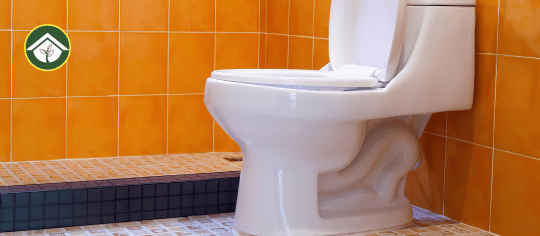
When it comes to choosing a toilet seat, you might think it’s a simple task—but the truth is, picking the right fitting type can make all the difference in comfort, durability, and ease of installation. Whether you’re upgrading your bathroom or replacing a worn-out seat, understanding the different toilet seat fitting types will save you time, frustration, and even money.
In this guide, you’ll discover how to identify the perfect fit for your toilet, so you can enjoy a seamless, secure installation and long-lasting use. Ready to find the ideal toilet seat for your bathroom? Let’s dive in and make sure you get it right the first time.
Toilet Seat Shapes
Choosing the right toilet seat shape is key to comfort and fit. Toilet seats come in different shapes to match various toilet bowls. Knowing the shape helps ensure the seat fits properly and looks good. It also affects how easy the seat is to clean and use. Two main shapes are common, but some toilets have unique designs that need special seats.
Round Vs Elongated
Round toilet seats have a circular shape and are shorter in length. They fit toilets with a round bowl, which is common in smaller bathrooms. Round seats save space and are easier to fit in tight areas. Many public restrooms use round seats for their compact size.
Elongated toilet seats are oval and longer than round ones. They provide more comfort by giving extra space to sit. These seats match toilets with elongated bowls, often found in homes for a better seating experience. Elongated seats can be easier to clean as well.
Unique And Specialty Shapes
Some toilets have shapes that do not fit standard round or elongated seats. These can include square, D-shaped, or other custom designs. Specialty seats are made to fit these unique bowls perfectly. They may be available from the toilet manufacturer or specialty stores.
Choosing a seat for a unique shape requires careful measuring of the bowl. Check the shape and size before buying. Specialty seats may offer extra features like soft close hinges or quick release for cleaning. These options improve the seat’s function and user experience.
Materials And Finishes
The choice of toilet seat materials affects comfort, durability, and style. Different finishes add to the seat’s look and feel. This section covers common materials and popular finishes for toilet seats.
Plastic Seats
Plastic toilet seats are lightweight and easy to clean. They resist moisture and stains well. These seats often come in white but may have other colors. They suit bathrooms with high humidity. Plastic seats are budget-friendly and durable. They provide a smooth and cool surface.
Wood And Wood-composite Options
Wood seats offer warmth and a classic look. They often have a painted or varnished finish. Wood-composite seats combine wood fibers with plastic for strength. These seats feel warmer than plastic. They add style to traditional or rustic bathrooms. Proper care prevents damage from moisture.
Soft-close And Quiet-close Features
Soft-close seats close slowly to avoid slamming. Quiet-close seats reduce noise during closing. These features increase seat longevity by preventing damage. They add convenience and comfort to daily use. Many plastic and wood seats include soft-close options. This upgrade improves bathroom experience for all users.
Common Fitting Types
Toilet seats come with different fitting types that affect installation and use. Knowing common fitting types helps you choose the right seat. Each type offers unique benefits and suits various toilet designs.
Top-fixing Bolts
Top-fixing bolts allow installation from above the toilet. No need to reach behind the toilet base. They make tightening and removal easier. Many modern toilets use this fitting type for convenience.
Bottom-fixing Bolts
Bottom-fixing bolts require access under the toilet bowl. You must reach below the toilet to tighten the bolts. This type is common on older toilets. It can be tricky in tight spaces but provides a secure fit.
Quick-release Hinges
Quick-release hinges let you remove the seat fast. Just press a button or release a catch. Perfect for cleaning and maintenance. They work with both top and bottom-fixing bolts.
Concealed Hinges
Concealed hinges hide all bolts and screws inside. This design offers a neat look and easy cleaning. No visible hardware means less dirt buildup. They fit well with modern, sleek toilet seats.
Measuring For The Right Fit
Choosing the right toilet seat depends on accurate measurements. A proper fit ensures comfort and prevents damage. Taking simple measurements saves time and hassle during installation. Three key measurements help find the best seat for your toilet bowl.
Seat Length And Width
Measure the length from the front edge to the center of the bolt holes. This is the seat length. Next, measure the widest part of the bowl for the seat width. These dimensions help match the seat to your toilet’s size.
Bolt Spread Distance
Check the distance between the two bolt holes at the back. Most toilets have a standard 5.5 inches between bolts. Confirm this measurement to ensure the seat fits securely and stays in place.
Toilet Bowl Shape Considerations
Toilets usually have round or elongated bowls. Round bowls are shorter and more circular. Elongated bowls are longer and oval-shaped. Knowing your bowl shape guides you to select the right seat style and size.
Installation Tools And Materials
Installing a toilet seat requires the right tools and materials to ensure a secure fit. Choosing the proper equipment helps avoid damage to the toilet and makes the job easier. This section covers the essential tools, replacement parts, and safety tips for fitting toilet seats.
Essential Tools
A basic toolkit is enough for most toilet seat installations. A flathead screwdriver helps remove old seats and tighten screws. A Phillips screwdriver works with many bolts and hinges. Adjustable pliers can grip nuts firmly. Some seats need a wrench for bolts under the toilet rim. A tape measure ensures the new seat matches the toilet shape. A cloth or sponge cleans the area before fitting the new seat.
Replacement Parts
Most toilet seat kits include bolts, nuts, and washers. These parts secure the seat to the toilet bowl. Plastic bolts resist rust and last longer in humid bathrooms. Metal bolts offer strong support but may corrode over time. Hinges connect the seat and lid and can be plastic or metal. Choose parts that fit your toilet’s bolt holes and shape. Keep extra nuts and washers handy for future repairs.
Safety Tips
Wear gloves to protect your hands from dirt and sharp edges. Turn off the water supply if the toilet has connected parts. Avoid over-tightening bolts to prevent cracking the toilet. Work slowly and check each step to avoid mistakes. Use a stable ladder or stool if needed to reach the seat comfortably. Clean the work area to prevent slips and falls.

Credit: www.taps-toilets.co.uk
Step-by-step Installation
Installing a new toilet seat is a simple task anyone can do. Follow these steps carefully to ensure a perfect fit. This guide covers removing the old seat, aligning the new one, securing bolts, and checking stability. Clear instructions make the process smooth and quick.
Removing An Old Seat
Start by lifting the seat and lid. Locate the bolts at the back of the toilet bowl. Use a wrench or screwdriver to loosen the nuts underneath. Remove the bolts and lift the old seat away. Clean the area before installing the new seat.
Aligning The New Seat
Place the new seat on the toilet bowl. Line up the bolt holes with the holes in the toilet. Ensure the seat sits evenly on the rim. Adjust the position so the seat covers the bowl properly.
Securing Bolts And Hinges
Insert bolts through the seat and toilet holes. Attach nuts underneath and tighten by hand. Use a wrench or screwdriver to secure firmly. Do not over-tighten to avoid cracking the toilet or seat. Check hinges move freely.
Testing Stability
Press down on the seat to check for movement. Sit gently to test strength and comfort. Tighten bolts if the seat shifts. Make sure the seat stays in place during use. Confirm hinges open and close smoothly.
Adjusting And Maintaining
Adjusting and maintaining your toilet seat keeps it stable and comfortable. Regular care extends its life and keeps your bathroom hygienic.
Simple fixes can prevent bigger problems later. Tightening loose seats, replacing worn parts, and cleaning properly all help.
Tightening Loose Seats
Loose toilet seats wobble and cause discomfort. Check the bolts under the seat for looseness. Use a screwdriver or wrench to tighten them carefully. Avoid overtightening to prevent cracking the seat or toilet bowl. Tighten both sides evenly for balance. Test the seat by sitting down and shifting slightly to confirm stability.
Replacing Worn Components
Toilet seats have bolts, hinges, and bumpers that wear over time. Inspect these parts regularly for cracks or rust. Replace broken or corroded bolts with new ones from hardware stores. Hinges that squeak or stick may need lubrication or replacement. Bumpers help the seat sit evenly and prevent slipping; replace them if worn out. Swapping small parts is quick and improves seat function.
Cleaning Tips
Clean your toilet seat often to remove germs and stains. Use mild soap and warm water or a gentle bathroom cleaner. Avoid harsh chemicals that can damage the seat’s surface. Wipe with a soft cloth or sponge to prevent scratches. Clean hinges and bolts to stop buildup and rust. Dry the seat thoroughly to keep it fresh and safe.
Credit: www.reddit.com
Popular Brands And Models
Choosing the right toilet seat means understanding what popular brands offer. These brands focus on quality, fit, and comfort. Their models come in various shapes and materials to suit different toilets. Knowing the main options helps you pick the best one for your bathroom.
Bemis Options
Bemis is known for durable, easy-to-install toilet seats. They offer models with slow-close hinges to prevent slamming. Some seats fit both round and elongated bowls. Bemis seats often feature adjustable bolts for a secure fit. Their plastic and wood options suit many bathroom styles.
Kohler Selections
Kohler seats focus on comfort and style. Their quiet-close feature stops noise and wear. Many models have quick-release hinges for easy cleaning. Kohler offers seats in round and elongated shapes. Their products often come in white or other neutral colors.
American Standard Choices
American Standard seats match their popular toilet designs. They provide strong, comfortable seats with easy fitting. Some models include antimicrobial protection. Their options cover both round and elongated shapes. American Standard seats are known for lasting performance and simple installation.
Troubleshooting Common Issues
Toilet seats can develop common problems that affect comfort and safety. Troubleshooting these issues helps keep your bathroom functional. Fixing problems quickly prevents bigger damage later.
Loose Or Wobbly Seats
A loose toilet seat often feels unstable and moves during use. Check the bolts under the seat for tightness. Use a screwdriver or wrench to tighten them. If bolts spin without tightening, replace the nuts underneath. Adding washers can also improve stability. Avoid overtightening to prevent cracking the seat.
Corroded Bolts
Bathroom moisture can cause bolts to rust and corrode over time. Corroded bolts are hard to remove and can break easily. Spray rust remover or lubricant to loosen them. Use pliers or a socket wrench for better grip. Replace old bolts with stainless steel ones for longer life. Regular cleaning reduces corrosion buildup.
Misaligned Hinges
Misaligned hinges cause the seat to sit unevenly or not close properly. Check if the seat aligns with the toilet bowl edges. Loosen the bolts slightly to adjust hinge position. Move the seat until it fits evenly, then retighten bolts. Hinges can wear out and may need replacement. Proper alignment improves comfort and prevents damage.

Credit: jkcemart.in
Frequently Asked Questions
What Are The Different Types Of Toilet Seat Connections?
Toilet seat connections include top-fix bolts, bottom-fix bolts, and quick-release hinges. Top-fix bolts attach from above, bottom-fix bolts secure underneath, and quick-release hinges allow easy removal for cleaning. Each type fits different toilet designs and offers varying installation ease and maintenance.
What Is The Germiest Part Of A Public Restroom?
The germiest part of a public restroom is usually the toilet flush handle. It harbors many bacteria from frequent touching.
What Are The Different Fitting Toilet Seats?
The main toilet seat fittings include top-fix bolts, side-fix bolts, and quick-release hinges. Shapes vary between round and elongated. Materials commonly are plastic and wood. Some seats feature slow-close or adjustable fittings for comfort and convenience. Choose based on toilet shape and installation access.
How Do I Know Which Toilet Seat Fits My Toilet?
Measure your toilet bowl’s shape—round or elongated—and the distance between bolt holes. Match these dimensions with the seat specifications for a perfect fit.
What Are The Common Types Of Toilet Seat Fittings?
The common types include top-fix, bottom-fix, and quick-release fittings. Each fits differently depending on the toilet design. Choosing the right fitting helps with easy installation and durability.
How Do I Measure My Toilet Seat For Fitting?
Measure the length from the bolt holes to the front edge. Also, check the width at the widest point. Accurate measurement ensures a proper fit and comfort.
What Is A Top-fix Toilet Seat Fitting?
Top-fix fittings secure the seat from above the toilet bowl. They are easier to install without reaching underneath. Most modern toilets use this type.
Can I Replace A Toilet Seat Fitting Myself?
Yes, replacing toilet seat fittings is simple with basic tools. Remove old bolts, clean the area, and fit the new seat. Follow fitting instructions for best results.
What Is The Difference Between Round And Elongated Toilet Seats?
Round seats are more circular and fit smaller toilets. Elongated seats are oval and provide extra comfort. The fitting type depends on the seat shape.
What Are Quick-release Toilet Seat Fittings?
Quick-release fittings allow easy removal of the seat for cleaning. They have special hinges that unlock quickly. This fitting improves hygiene and maintenance.
Conclusion
Choosing the right toilet seat fitting type makes installation easier and more secure. Round and elongated seats fit different toilet bowls, so measure carefully. Bolt types vary, with some allowing quick release or concealed hinges for cleaning ease. Simple tools and the correct fitting can save time and effort.
Understanding these basics helps you find a seat that fits well and lasts longer. A well-chosen toilet seat improves comfort and bathroom hygiene. Keep these tips in mind for your next bathroom upgrade.


Leave a Reply