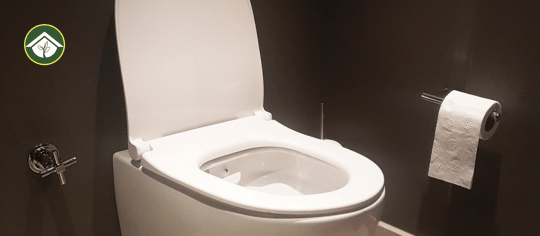
When it comes to your bathroom, the right toilet seat can make all the difference. But how do you know which size fits best?
Understanding toilet seat dimensions is key to finding a seat that’s comfortable, sturdy, and easy to install. Whether you’re replacing an old seat or upgrading your bathroom, knowing the exact measurements will save you time and avoid costly mistakes. Keep reading to discover everything you need to know about toilet seat sizes, so you can make the perfect choice for your home.
Standard Toilet Seat Sizes
Standard toilet seat sizes help you find the right fit for your bathroom. Choosing the correct seat size improves comfort and usability. Most toilets come in two common shapes and sizes. Knowing these sizes helps you buy the right seat without hassle.
Round Vs Elongated Seats
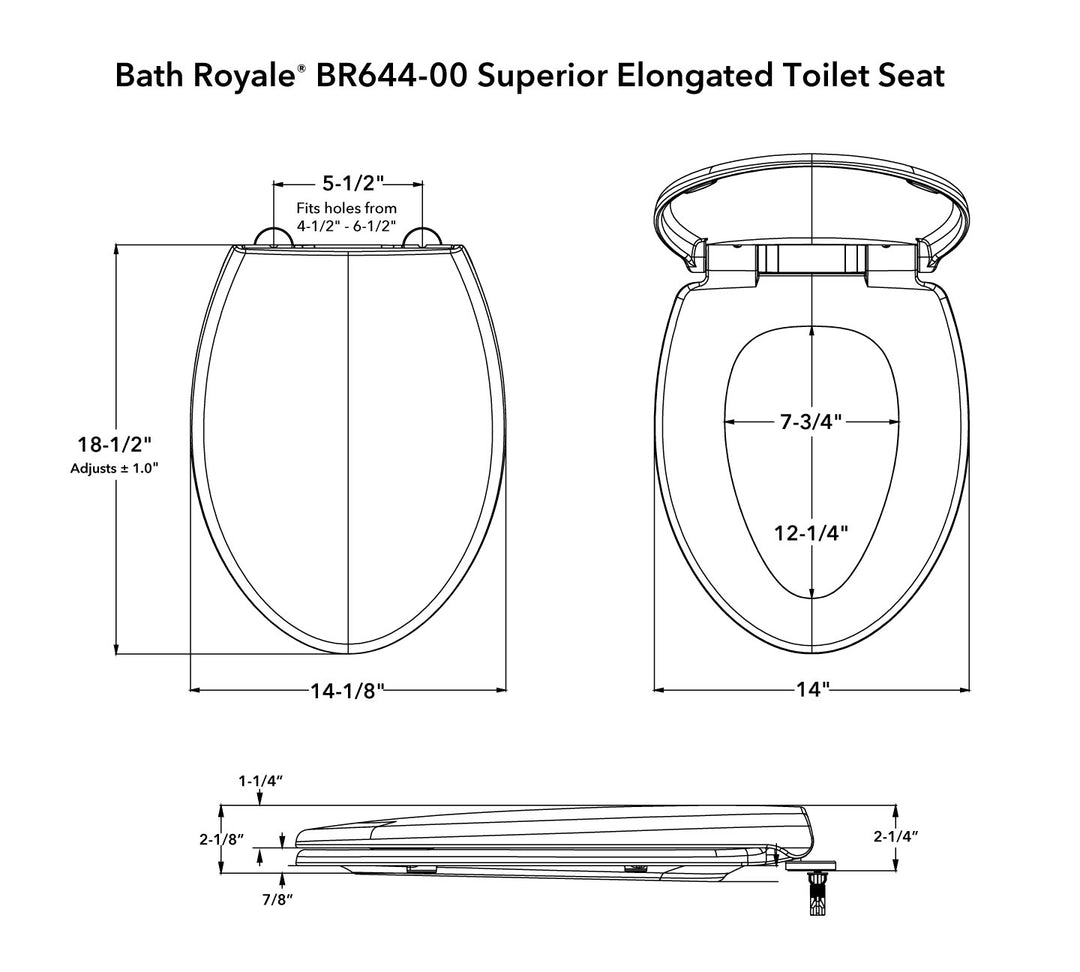
Round seats are more compact and fit smaller toilets. They measure about 16.5 inches long from the mounting holes to the front edge. Elongated seats are longer and oval-shaped. They measure about 18.5 inches long, offering more sitting space. Both types usually have the same width, around 14 to 14.5 inches. Choose round seats for tight spaces and elongated seats for added comfort.
Measuring Seat Length And Width
Measure toilet seat length from the bolt holes to the front edge. This gives you the seat’s full length. Measure the width at the widest point across the seat. Check the distance between the two bolt holes, usually about 5.5 inches. These measurements ensure you pick a seat that fits your toilet perfectly.
Common Seat Heights
Most toilet seats have a height between 1 and 2 inches. Some seats, called comfort height, add extra height up to 3 inches. Taller seats help people with mobility issues sit and stand easier. Standard height seats suit most adults and bathrooms. Measure the height to make sure the seat matches your needs.

Credit: www.dimensions.com
Choosing The Right Seat Shape
Choosing the right seat shape for your toilet is important for comfort and fit. Toilet seats mainly come in two shapes: round and elongated. Each shape has unique benefits. Picking the right one depends on your toilet bowl size and personal preference.
Benefits Of Round Seats
Round seats are compact and fit smaller bathrooms well. They usually measure about 16.5 inches from the mounting holes to the front edge. This shape saves space and works well in tight spots. Round seats are often less expensive than elongated ones. They are easier to clean due to their simple shape. Many older toilets use round seats, so replacements are easy to find.
Advantages Of Elongated Seats
Elongated seats offer more sitting space and comfort. They measure about 18.5 inches from mounting holes to the front. This shape provides better support and feels larger. Elongated seats are common in modern bathrooms and public places. They may reduce pressure on the legs, making sitting more comfortable. This shape also gives a more stylish look to your toilet.
Material Types And Comfort
Choosing the right toilet seat goes beyond size. The material affects comfort and durability. It also changes how the seat feels during use. Some materials are warm to touch, others cool. Some are soft, while others are firm. Understanding material types helps pick the best fit for your bathroom.
Plastic Seats
Plastic toilet seats are common and affordable. They are lightweight and easy to clean. Plastic feels cool, which some people prefer. This material resists stains and scratches well. It works great for busy bathrooms. Plastic seats come in many colors and shapes.
Wood Seats
Wood toilet seats add warmth and style. They feel warmer than plastic. Wood gives a classic and natural look. These seats are strong and sturdy. They may need more care to avoid water damage. Wood seats suit traditional or rustic bathrooms well.
Soft-close And Cushioned Options
Soft-close seats prevent loud slams and protect the toilet. This feature adds safety and quietness. Cushioned seats offer extra padding for comfort. They feel soft and warm against the skin. These options improve the bathroom experience. Soft-close and cushioned seats come in plastic and wood.
Credit: bathroyale.com
Installation Tips For Perfect Fit
Installing a toilet seat might seem simple, but getting the fit right takes care and attention. A perfect fit ensures comfort, safety, and a neat look. Follow these key tips for installation. They help you avoid common mistakes and secure the seat properly.
Measuring Bolt Spread
The bolt spread is the distance between the two mounting bolts on your toilet. Measure this space carefully with a ruler or tape. Most toilets have a bolt spread of 5.5 inches, but some models differ. Accurate measurement helps you buy the correct seat size. Check twice before buying or installing.
Aligning The Seat Properly
Place the seat on the toilet bowl aligning the bolt holes with the holes on the bowl. Make sure the seat covers the bowl evenly without tilting. Press the seat down gently and tighten the bolts. Avoid over-tightening to prevent cracking the seat or bowl. Check the seat moves up and down smoothly before finishing.
Tools Needed For Installation
You will need a few basic tools for installation. A flathead screwdriver or a wrench helps tighten the bolts. A tape measure or ruler is essential for checking bolt spread. Keep a cloth handy to clean the area before and after installation. Having these tools ready saves time and effort during the process.
Special Considerations
Special considerations matter when choosing toilet seat dimensions. Different needs require different sizes and features. This helps ensure comfort and safety for everyone using the bathroom.
Ada Compliant Seats
ADA compliant seats follow rules for accessibility. They are higher than standard seats, usually around 17 to 19 inches tall. This height helps people with mobility issues sit and stand easily. The seat shape is often elongated to provide more comfort. These seats are sturdy and support extra weight. Choosing an ADA seat improves bathroom usability for all visitors.
Child-friendly Sizes
Child-friendly toilet seats are smaller and lighter. They fit standard toilets but reduce the opening size. This prevents children from falling in and makes them feel secure. These seats often have bright colors or fun designs. They help toddlers learn toilet habits comfortably. Easy installation and removal add convenience for parents.
Heated And Bidet Seat Dimensions
Heated and bidet seats add extra features and require more space. These seats are usually thicker and heavier than regular ones. The dimensions include extra depth to fit built-in controls and nozzles. They often need a power source nearby for heating and water functions. Ensure your toilet bowl can fit these larger seats before buying. Proper sizing keeps your bathroom functional and comfortable.

Credit: linearcollider.org
Troubleshooting Common Fit Issues
Toilet seat fit issues often cause frustration. Many common problems arise from incorrect dimensions or loose fittings. Understanding these issues helps solve them quickly. Properly fitting toilet seats improve comfort and safety. This section covers common problems and simple fixes.
Seat Too Small Or Large
A seat that is too small or too large feels uncomfortable. It may not cover the bowl properly. Measure the toilet bowl length and width carefully. Match these measurements with the seat size before buying. A seat too large can hang over the edges. A seat too small leaves gaps that cause splashes. Choose a seat with dimensions close to your toilet bowl.
Loose Or Wobbly Seats
Loose or wobbly seats shift during use. This can cause discomfort and damage. Check the mounting bolts under the seat. Tighten them with a screwdriver or wrench. If bolts are stripped or rusty, replace them. Use rubber washers to keep the seat stable. Avoid overtightening to prevent cracking the toilet or seat.
Replacing Old Seats
Old seats can wear out or break over time. Replace them to improve hygiene and comfort. Remove the old seat by unscrewing the bolts. Clean the toilet rim before installing the new seat. Align the new seat’s holes with the toilet bolts. Tighten bolts just enough to keep the seat secure. Test the seat for stability after installation.
Frequently Asked Questions
What Are Standard Toilet Seat Dimensions?
Standard toilet seat dimensions usually range from 16 to 18 inches in length. Width typically measures about 14 to 15 inches. These sizes fit most round and elongated toilets, ensuring compatibility and comfort for everyday use.
How To Measure A Toilet Seat Correctly?
Measure from the center of the mounting holes to the front edge of the toilet bowl. Also, measure the distance between mounting holes. These measurements help you find a seat that fits perfectly and avoids installation issues.
What Is The Difference Between Round And Elongated Toilet Seats?
Round toilet seats are typically 16. 5 inches long, while elongated seats are about 18. 5 inches. Elongated seats provide more comfort and space, making them popular for residential bathrooms. Round seats suit compact spaces better.
Can Toilet Seat Size Affect Comfort?
Yes, size directly impacts comfort. A properly sized seat supports better posture and reduces strain. Choosing the right dimensions ensures a comfortable experience for users of all sizes.
Conclusion
Choosing the right toilet seat size makes a big difference. It ensures comfort and fits well with your toilet. Knowing seat dimensions helps avoid mistakes and saves time. Measure carefully before buying. This small step makes installation easier and your bathroom look better.
Remember, a good fit means better use every day. Take your time to pick the right seat for your needs. It’s simple but important for a happy bathroom experience.


Leave a Reply