When it comes to personal hygiene, you want the best solution that keeps you feeling fresh and clean every day. Have you ever wondered if a toilet seat bidet could be the game-changer your bathroom routine needs?
Using a bidet isn’t just about comfort—it’s about improving your hygiene in a way that toilet paper alone can’t match. But how do you make sure you’re using it correctly and keeping it sanitary? You’ll discover everything you need to know about toilet seat bidet hygiene, including tips on usage, cleaning, and why this simple upgrade can make a big difference for your health and comfort.
Ready to transform your bathroom experience? Let’s dive in!
Bidet Basics
Bidets improve personal hygiene by using water to clean after using the toilet. They offer a fresh and gentle way to stay clean. Many people find bidets more comfortable and hygienic than toilet paper alone.
Bidet toilet seats are easy to install and use. They fit on your existing toilet and provide a stream of water for cleaning. Understanding the basics helps in choosing the right bidet for your needs.
Types Of Bidet Seats
There are mainly three types of bidet seats. Non-electric bidets use water pressure only. Electric bidets have features like heated water and adjustable settings. Portable bidets are small and travel-friendly.
Choosing the right type depends on your budget and bathroom setup. Electric bidets offer more comfort, while non-electric models are simpler and cheaper.
How Bidets Work
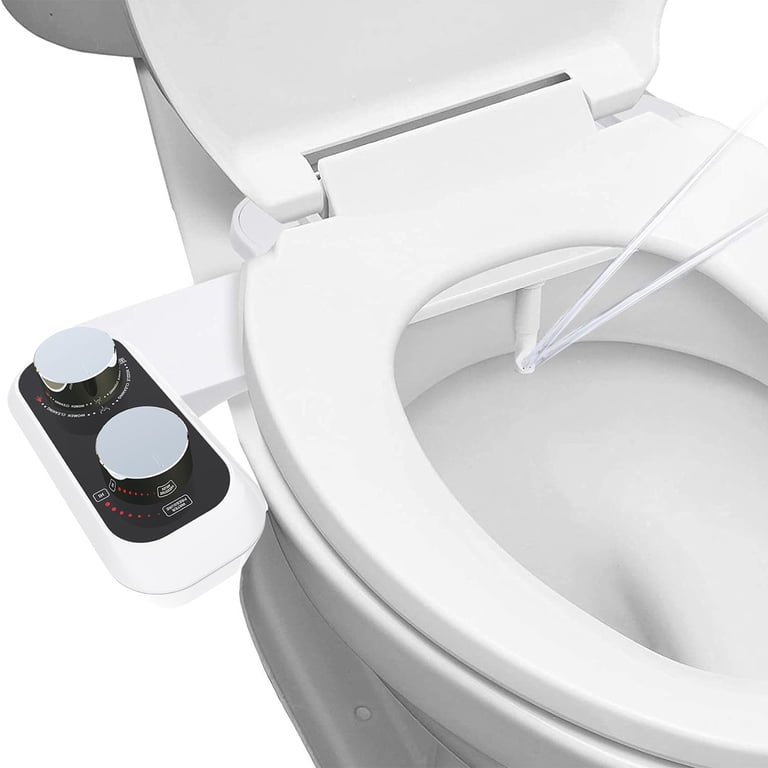
Bidets spray water to clean your private areas. Most seats have a nozzle that moves to reach different angles. Water pressure and temperature can often be controlled for comfort.
The water cleans gently, reducing the need for toilet paper. Some bidets dry the area with warm air after washing. This process helps maintain better hygiene.
Popular Features
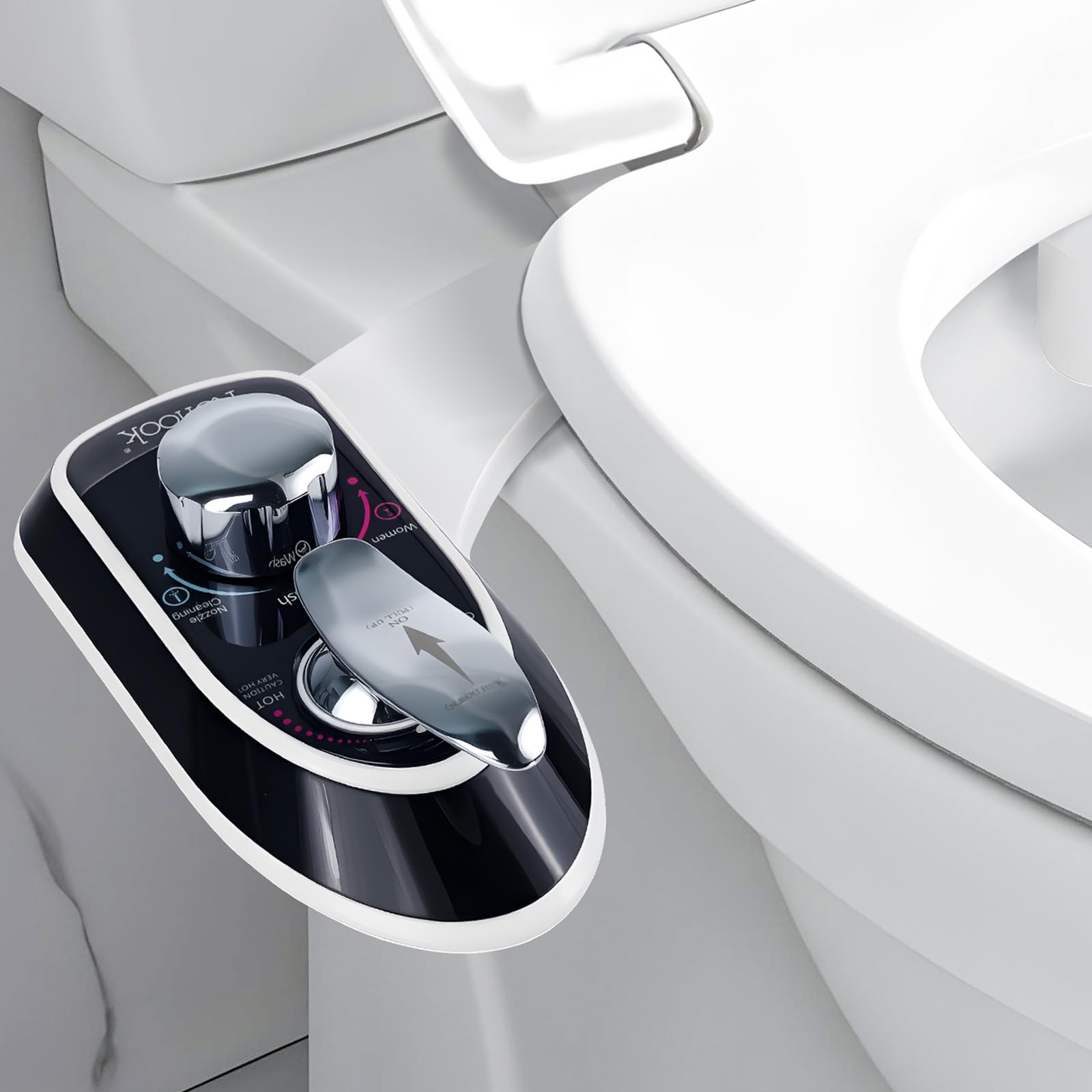
Many bidet seats offer heated seats for comfort, especially in cold weather. Adjustable water temperature and pressure allow a personalized cleaning experience. Some have a warm air dryer to reduce toilet paper use.
Other common features include self-cleaning nozzles and night lights. Remote controls or side panels make it easy to adjust settings. These features add convenience and improve hygiene.
Credit: www.amazon.com
Using A Bidet
Using a bidet is simple and improves your bathroom hygiene. It cleans better than toilet paper alone. Many people find it refreshing and gentle on the skin.
Learning the right way to use a bidet helps you get the best results. Small steps make a big difference in comfort and cleanliness.
Proper Positioning
Sit comfortably on the toilet seat bidet. Adjust your position so the water hits the right area. Lean slightly forward or backward for better reach. Keep your body relaxed to avoid splashing.
Adjusting Water Settings
Start with a low water pressure setting. Increase pressure slowly to avoid discomfort. Set the water temperature to warm or cool, based on your preference. Some bidets offer pulsating or oscillating sprays for thorough cleaning.
Drying Techniques
After cleaning, use toilet paper to pat yourself dry gently. Many bidets have built-in air dryers; use these if available. Avoid rubbing harshly to protect sensitive skin. Drying ensures you feel fresh and comfortable.
Hygiene Benefits
Toilet seat bidets offer clear hygiene benefits that improve personal cleanliness. They provide a gentle, water-based cleaning method that many find more effective than toilet paper alone. Using water helps remove germs and residue better, leading to a fresher feeling.
People who use bidets often notice less irritation and discomfort. The soft water stream soothes sensitive skin, which toilet paper can sometimes irritate. This makes bidets a good choice for those with delicate skin or certain medical conditions.
Bidets are also helpful after intimate activities. They clean thoroughly and gently, promoting better hygiene and reducing the chance of infections. This makes bidets a practical addition to any bathroom for daily care.
Improved Cleanliness
Water cleans better than dry paper alone. It reaches areas that toilet paper can miss. This reduces bacteria and leftover waste. A bidet leaves you feeling cleaner and fresher after each use. It lowers the risk of unpleasant odors and skin issues caused by poor cleaning.
Reducing Irritation
Toilet paper can cause redness and soreness. The rubbing action may harm sensitive skin. Bidets use a soft water spray that is gentle on the skin. This helps prevent irritation and itching. People with hemorrhoids or skin conditions benefit from the soothing effect.
After Intimate Activities
Bidets provide a gentle rinse after sexual activities. This helps remove bacteria and fluids safely. It supports better intimate hygiene and comfort. Using a bidet lowers the chance of infections and unpleasant smells. It encourages a healthy routine for personal care.
Common Hygiene Concerns
Many people have questions about hygiene when using a toilet seat bidet. Understanding common hygiene concerns helps users feel safe and clean. These concerns include how to prepare before using the bidet, sharing it with others, and the risk of germs.
Wiping Before Bidet Use
Some users wonder if they should wipe before using a bidet. A light wipe can remove solid waste and improve cleanliness. This step helps the bidet water clean more effectively. It also reduces the chance of clogging or splashing. Wiping first keeps the experience fresh and hygienic.
Sharing Bidets Safely
Sharing a bidet with family or guests can raise hygiene questions. Many bidet seats have self-cleaning nozzles that rinse before and after use. This feature helps keep the nozzle free from bacteria. Using a separate towel for drying is also important. Avoid sharing towels to prevent cross-contamination. Regular cleaning of the bidet seat adds extra protection.
Potential Pathogen Exposure
Some worry about germs spreading from bidet use. Studies show bidets can reduce bacteria better than toilet paper alone. Still, water pressure and nozzle cleanliness affect hygiene. Using a bidet with adjustable settings lets users control water flow safely. Proper bidet maintenance lowers the chance of pathogen exposure. Routine cleaning and nozzle checks ensure a sanitary experience.
Maintaining Bidet Cleanliness
Maintaining the cleanliness of your toilet seat bidet is essential for good hygiene. A clean bidet keeps you feeling fresh and reduces the risk of infections. Regular care also extends the life of your device and ensures it works properly every time.
Simple cleaning steps can make a big difference. Focus on key parts like the nozzles, the seat, and the control panel. Avoid harsh chemicals that might damage the bidet’s components. Use mild soap and soft cloths instead.
Cleaning Nozzles
Nozzles are the most important part to clean. They spray water directly on your skin and can collect bacteria. Most bidets have a self-cleaning feature. Use it before and after each use to rinse the nozzles.
For deeper cleaning, gently wipe the nozzles with a soft cloth and mild soap. Avoid scrubbing hard to prevent damage. Check the manufacturer’s guide for specific nozzle care instructions.
Regular Maintenance Tips
Set a cleaning schedule to keep your bidet fresh. Clean the seat and control panel weekly with a damp cloth. Avoid abrasive cleaners that can scratch the surfaces.
Inspect the hoses and connections monthly. Tighten any loose parts to prevent leaks. Replace filters if your bidet has them, following the product’s timeline.
Preventing Mold And Bacteria
Moisture invites mold and bacteria growth. Keep the bathroom well-ventilated to reduce humidity. Wipe down the bidet and seat after use to remove excess water.
Use a mild disinfectant on the seat and nozzle area regularly. Avoid leaving damp towels or cloths nearby. These can trap moisture and promote mold growth.
Credit: www.walmart.com
Health Considerations
Choosing a toilet seat bidet involves health considerations that affect hygiene and comfort. Understanding how bidets interact with your body helps maintain cleanliness safely. This section explains key health aspects for users to know.
Suitability For Sensitive Skin
Bidets use water to clean, which is gentle compared to toilet paper. People with sensitive skin may find bidets reduce irritation. Adjustable water pressure and temperature allow customization. Avoid harsh sprays or strong jets that can cause discomfort. Soft water and mild settings promote a soothing cleaning experience.
Bidets And Medical Conditions
Bidets can benefit those with certain medical issues. People with hemorrhoids or anal fissures often feel relief using a bidet. It cleans without friction, lowering pain and inflammation. Some users with mobility challenges find bidets easier to use than wiping. Still, improper use might cause discomfort in rare cases. Proper use ensures hygiene without worsening conditions.
Consulting Health Professionals
Talk to a doctor before starting bidet use if you have health concerns. Medical advice can help adjust bidet settings safely. Professionals can suggest when and how to use bidets for best hygiene. This step is important for people with infections or skin conditions. Clear guidance supports safe and effective bidet hygiene.
Choosing The Right Bidet
Choosing the right bidet can improve your bathroom hygiene and comfort. This decision depends on your needs, budget, and bathroom setup. Understanding the types and features helps you pick a suitable model.
Consider the power source, functions, and ease of installation before buying. A good bidet fits well with your lifestyle and bathroom space. Below are key points to guide your choice.
Electric Vs Non-electric
Electric bidets offer heated water, adjustable spray, and drying features. They need a power outlet near your toilet. Non-electric bidets work without electricity. They rely on water pressure and simple controls.
Electric models provide more comfort but cost more. Non-electric bidets are easier to install and use less energy.
Budget And Features
Basic bidets focus on cleaning with a simple nozzle. Higher-end models include warm water, air dryers, and deodorizing functions. Decide which features matter most to you.
Set a budget that matches your needs. Avoid paying for features you won’t use. Check for warranty and customer reviews for better value.
Installation Tips
Check if your toilet fits the bidet seat shape before purchase. Most bidet seats fit standard toilets but verify measurements. Electric bidets need a power source close to the toilet.
Follow the manufacturer’s instructions carefully. Tighten connections to avoid leaks. If unsure, hire a plumber to ensure proper installation and safety.
Bidet Trends And Innovations
Bidet trends and innovations are changing bathroom hygiene for the better. New designs and technology make bidets easier to use. They also improve comfort and cleanliness. People want bidets that save water and fit modern homes. The latest bidets blend smart features with eco-friendly benefits. These changes help bidets become a common bathroom fixture.
Smart Bidet Features
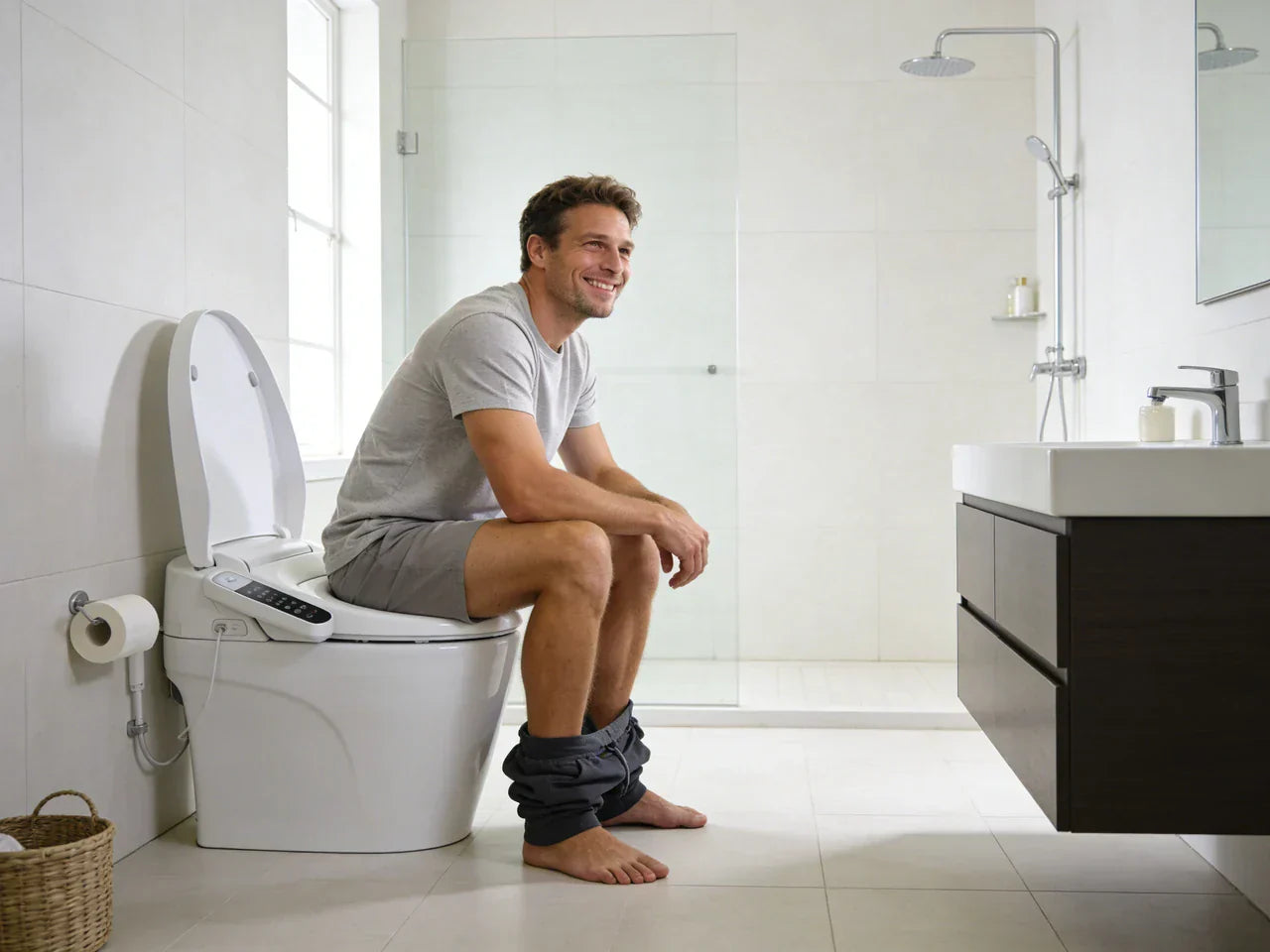
Smart bidets offer many useful functions. Some have adjustable water temperature and pressure controls. Others include heated seats for extra comfort. Sensors detect when you are seated and start cleaning automatically. Some models have air dryers to reduce the need for toilet paper. Remote controls and app connectivity let users customize settings. These features add convenience and improve hygiene.
Eco-friendly Benefits
Bidets use less water than toilet paper production. They reduce the amount of paper waste in landfills. Many bidets have energy-saving modes to cut electricity use. Some models use biodegradable or recyclable parts. Water-saving nozzles limit flow while still cleaning well. Using a bidet cuts down on skin irritation caused by wiping. Eco-friendly bidets help protect the environment and promote health.
Future Developments
Future bidets will have more advanced sensors for personalized cleaning. Voice control may allow hands-free operation. AI technology could adjust settings based on user habits. Designs will focus on easy installation and universal fit. Materials will become more durable and antibacterial. Smart homes may integrate bidets with other bathroom devices. These improvements aim for better hygiene and user experience.
Credit: horow.com
Frequently Asked Questions
How Sanitary Are Bidet Toilet Seats?
Bidet toilet seats offer superior cleanliness by washing with water, reducing bacteria better than toilet paper alone. Proper use ensures high hygiene. Regular cleaning of the bidet seat itself prevents germ buildup. Many users find bidets more sanitary and comfortable than traditional methods.
Do You Wipe Before Using A Bidet Toilet Seat?
Wipe briefly with toilet paper before using a bidet seat to remove solid waste. Then, use the bidet for thorough cleaning.
Is It Hygenic To Use A Bidet?
Using a bidet promotes hygiene by thoroughly cleaning with water, reducing bacteria and irritation compared to toilet paper alone.
Is It Hygenic To Share A Bidet?
Sharing a bidet can remain hygienic if cleaned regularly and used properly. Personal hygiene practices help prevent germ spread.
What Is A Toilet Seat Bidet And How Does It Work?
A toilet seat bidet sprays water to clean your private areas after using the toilet. It attaches to your existing toilet seat. You control water pressure and temperature for comfort.
Is Using A Bidet Toilet Seat More Hygienic Than Toilet Paper?
Yes, bidets clean with water, reducing bacteria better than toilet paper alone. Water cleans gently without irritation. This helps keep you fresher and cleaner.
How Often Should I Clean My Bidet Toilet Seat?
Clean your bidet seat at least once a week with mild soap and water. Wipe the nozzle carefully to prevent germs. Regular cleaning keeps it sanitary and working well.
Can Multiple People Safely Share A Bidet Toilet Seat?
Yes, sharing is safe if the bidet is cleaned regularly. Many bidets have self-cleaning nozzles to reduce germs. Personal hygiene habits also matter.
Does A Bidet Reduce Toilet Paper Usage?
Bidets can greatly reduce toilet paper use by cleaning with water first. Many users only need a small amount of paper for drying. This helps save money and the environment.
Are Bidet Toilet Seats Easy To Install At Home?
Most bidet seats are easy to install with basic tools in under an hour. They connect to your existing toilet’s water supply. Instructions are usually included for DIY setup.
Conclusion
Toilet seat bidets offer a simple way to improve personal cleanliness daily. They use water to wash away germs, reducing the need for toilet paper. Many find them gentle and refreshing, especially for sensitive skin. Using a bidet can lower irritation and help maintain better hygiene.
Remember to keep the bidet clean for safe use. Choosing the right model fits your bathroom needs and budget. Small changes like this can make a big difference in comfort and health. Consider trying a bidet for a cleaner, fresher feeling every day.


Leave a Reply