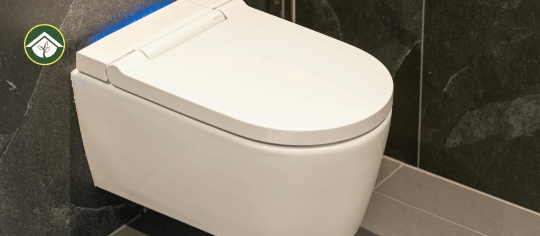
Imagine never having to scrub your toilet again. A self-cleaning toilet can make that a reality, saving you time and effort every week.
If you’re tired of spending precious minutes on a chore that never seems to end, this innovation is designed just for you. Curious how it works and whether it’s worth the investment? Keep reading to discover how a self-cleaning toilet can transform your bathroom routine and bring a new level of convenience and hygiene to your home.

Credit: www.americanstandard-us.com
How Self-cleaning Toilets Work
Self-cleaning toilets use smart technology to keep themselves clean. They reduce the need for manual scrubbing and improve bathroom hygiene. These toilets work through different cleaning methods and sensors. Understanding how they operate helps appreciate their convenience and design.
Automatic Cleaning Mechanisms
Self-cleaning toilets have built-in systems that clean the bowl after each use. Some use water jets to rinse the surface thoroughly. Others spray special cleaning solutions to remove stains and bacteria. These mechanisms activate automatically, saving time and effort.
Types Of Self-cleaning Technologies
There are several types of self-cleaning technologies in toilets. One common type uses UV light to kill germs and bacteria. Another type uses electrolyzed water, which cleans without harsh chemicals. Some toilets combine multiple methods for better cleanliness.
Sensors And Smart Features
Sensors detect when the toilet is used and trigger cleaning cycles. They can sense motion or the presence of a user. Smart toilets may also have features like automatic lid opening and closing. These sensors make the cleaning process seamless and efficient.

Credit: contest.techbriefs.com
Benefits Of Self-cleaning Toilets
Self-cleaning toilets offer many benefits that improve daily life. They keep bathrooms cleaner and reduce germs. These toilets also save time and water, making them a smart choice for any home.
Improved Hygiene And Sanitation
Self-cleaning toilets kill bacteria and germs after every use. They reduce the spread of harmful microbes that cause illness. This keeps the bathroom safer for everyone. The automatic cleaning helps maintain a fresh and clean toilet bowl. No more worrying about hidden dirt or stains.
Time And Effort Savings
Cleaning toilets can be unpleasant and time-consuming. Self-cleaning toilets do this task automatically. They save you from scrubbing and using harsh chemicals. With less cleaning, you get more free time. These toilets make bathroom maintenance easier and faster.
Water Efficiency And Eco-friendly Features
Many self-cleaning toilets use water wisely to clean efficiently. They often use less water than traditional toilets. This helps lower water bills and conserves resources. Some models use eco-friendly cleaning agents that are safe for the environment. Choosing these toilets supports a greener lifestyle.
Popular Self-cleaning Toilet Models
Self-cleaning toilets have become popular for their convenience and hygiene. They reduce the need for frequent manual cleaning. Many models offer different features to fit various budgets and needs.
Finding the right model can be easier by comparing brands, prices, and user feedback. This helps pick a toilet that works best for any bathroom.
Top Brands And Features
Several brands lead the self-cleaning toilet market. Kohler and Toto are known for quality and durability. They use advanced cleaning systems like UV light and electrolyzed water. Some models have automatic lids and heated seats. Others offer dual flush and water-saving options.
Comparing Prices And Performance
Prices for self-cleaning toilets vary widely. Basic models start around $500. High-end models can cost over $2,000. More expensive toilets usually have more features. Performance depends on cleaning technology and water efficiency. Choosing a model depends on budget and desired functions.
User Reviews And Ratings
User reviews help understand real-world performance. Many buyers praise easy maintenance and strong cleaning power. Some mention occasional technical issues or noise. Ratings often reflect satisfaction with comfort and water savings. Checking reviews helps avoid surprises after purchase.
Installation And Maintenance Tips
Installing and maintaining a self-cleaning toilet is simpler than many expect. Proper setup ensures smooth operation and long life. Regular care keeps the toilet clean and working well. Understanding basic steps helps avoid common problems and costly repairs.
Setting Up Your Self-cleaning Toilet
Choose a flat, stable spot for the toilet. Connect the water supply tightly to avoid leaks. Follow the manufacturer’s instructions for assembly. Plug in the unit if it needs electricity. Test the cleaning function before regular use. Adjust settings for water flow and cleaning cycles as needed.
Routine Maintenance Practices
Clean the toilet surface with a soft cloth weekly. Avoid harsh chemicals that can harm sensors and parts. Check water filters and replace them on schedule. Empty waste containers regularly if the model has them. Inspect seals and joints for wear or leaks. Run cleaning cycles even if the toilet looks clean.
Troubleshooting Common Issues
If cleaning stops, check power and water connections first. Clear any blockages in the nozzle or spray arms. Reset the system by unplugging and plugging it back in. Replace worn parts following the guide or call support. Listen for unusual sounds during operation. Address errors promptly to prevent bigger problems.
Smart Home Integration
Smart home integration brings a new level of convenience to self-cleaning toilets. These toilets connect with other devices in your home. This connection helps to automate cleaning and maintenance. It also adds comfort and efficiency.
Smart toilets now work with home automation systems. These systems control many devices through one platform. This makes managing your bathroom easier and smarter.
Connecting To Home Automation Systems
Self-cleaning toilets can link to popular home automation hubs. These include systems like Alexa, Google Home, and Apple HomeKit. Through these hubs, you can control toilet functions remotely. You can set cleaning schedules and monitor water usage. This helps save water and keeps the toilet fresh.
Voice Control And App Features
Voice control allows hands-free operation. You can ask your smart assistant to clean the toilet or flush. Mobile apps offer more control options. You can adjust seat temperature, water pressure, and drying settings. Apps also send alerts for maintenance needs. This keeps your toilet running smoothly without guesswork.
Future Trends In Smart Toilets
Smart toilets will soon include more sensors and AI technology. These features will predict cleaning needs based on usage. New models may track health data from waste analysis. This can provide early warnings for health issues. Future toilets may also connect with smart mirrors and lights for a full bathroom experience.

Credit: horow.com
Cost Considerations And Value
Choosing a self-cleaning toilet means thinking about both cost and value. These toilets cost more at first. But they can save money over time. Understanding this balance helps you decide if it’s right for your home.
Initial Investment Vs Long-term Savings
Self-cleaning toilets usually cost more to buy. The price can be two or three times higher than a regular toilet. Installation may also add to the cost. Yet, these toilets reduce cleaning time and effort. They use less water and cleaning chemicals. This can lower your utility bills and supply expenses. Over several years, these savings add up. Think of it as paying more now to save later.
Warranty And Service Plans
Good warranty coverage is important for self-cleaning toilets. These models have complex parts that might need repair. A strong warranty protects your investment. Some brands offer service plans to cover repairs and maintenance. These plans can reduce unexpected costs. Check what the warranty includes and how long it lasts. This helps avoid surprises and keeps your toilet working well.
Resale Value And Market Demand
Self-cleaning toilets can increase your home’s resale value. Buyers like homes with smart and easy features. A clean, well-maintained bathroom attracts more interest. However, not all buyers know about these toilets. Market demand varies by location. In some areas, these toilets are very popular. In others, less so. Consider local trends before deciding on this upgrade.
Frequently Asked Questions
What Is A Self Cleaning Toilet?
A self cleaning toilet automatically cleans its bowl after each use. It uses water jets, UV light, or special coatings to remove waste and bacteria, reducing manual cleaning and improving hygiene.
How Does A Self Cleaning Toilet Work?
Self cleaning toilets use sensors to detect use and activate cleaning mechanisms. These include water sprays, disinfectants, or UV sterilization to eliminate germs and stains, ensuring the toilet stays fresh with minimal effort.
Are Self Cleaning Toilets Eco-friendly?
Many self cleaning toilets use less water and fewer chemicals than traditional cleaning. Advanced technology reduces the need for harsh cleaners, making them an eco-friendly choice for maintaining bathroom hygiene.
Can Self Cleaning Toilets Prevent Odors?
Yes, self cleaning toilets often include deodorizing features. They use automatic flushing, antimicrobial surfaces, and air purifiers to minimize unpleasant smells, keeping bathrooms fresher longer.
Conclusion
A self-cleaning toilet saves time and effort every day. It keeps your bathroom fresh and hygienic with less work. This smart feature helps reduce germs and odors effectively. Choosing one can make your life easier and cleaner. Easy to use and maintain, it fits modern homes well.
Consider a self-cleaning toilet for a simple bathroom upgrade. Cleanliness without extra hassle. Who wouldn’t want that?


Leave a Reply