Have you ever noticed those stubborn urine stains on your toilet seat that just won’t go away? They can be embarrassing, unhygienic, and tough to clean if you don’t know the right tricks.
But don’t worry—removing these stains is easier than you think. You’ll discover simple, effective methods to get your toilet seat looking fresh and clean again. Keep reading to learn how to tackle those stubborn marks quickly and keep your bathroom sparkling.
Credit: www.reddit.com
Causes Of Urine Stains
Urine stains on toilet seats are a common problem in many households. These stains can be unsightly and may cause unpleasant odors. Understanding the causes helps in preventing and removing them effectively. Knowing what leads to these stains is the first step toward a cleaner bathroom.
Common Sources
Urine stains mostly come from splashes during use. Men and boys are often the main source of these splashes. Sometimes, young children or pets may also cause stains. Poor aim or rushing can increase the chance of splashing. Over time, these small spots build up and cause visible stains.
Why Stains Form
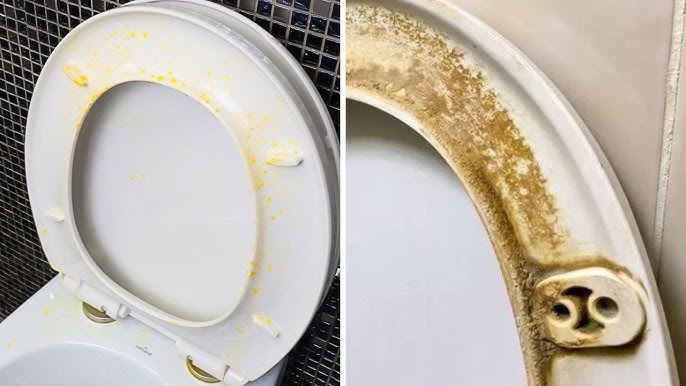
Urine contains minerals and salts that can stick to surfaces. When urine dries, these minerals stay behind and create stains. If the toilet seat is not cleaned regularly, stains become harder to remove. The material of the seat also affects how stains form. Porous surfaces absorb urine more easily, leading to deeper stains.
Essential Cleaning Supplies
Removing urine stains from a toilet seat needs the right cleaning supplies. The right tools make the job easier and faster. You can use items found in your home or special cleaners made for bathrooms. Both types help get your toilet seat fresh and clean again.
Household Items
Many common household items work well on urine stains. White vinegar breaks down stains and kills germs. Baking soda acts as a gentle scrub to lift marks. Lemon juice offers natural bleach and fresh scent. A soft cloth or sponge helps apply these cleaners without scratching.
Warm water helps mix and rinse these items easily. Dish soap can cut through grime and remove odors. These supplies are safe and easy to find at home. They clean without harsh chemicals, making them a good choice for sensitive skin.
Specialized Cleaners
Specialized cleaners target tough stains and bacteria fast. Toilet bowl cleaners often contain bleach or other disinfectants. These products remove stains and kill germs in one step. Enzyme cleaners break down urine proteins to stop smells.
Always read the label to use these cleaners safely. Use gloves to protect your skin. Make sure the bathroom is well ventilated during cleaning. Specialized cleaners provide a deep clean for stubborn stains and odors.
Step-by-step Cleaning Methods
Removing urine stains from a toilet seat is easier with clear steps. Following a simple process keeps your bathroom fresh. Regular care stops stains from building up. The steps below guide you through quick and deep cleaning.
Quick Daily Wipe
Start with a clean cloth or disposable wipe. Use a mild disinfectant spray or soapy water. Wipe the entire toilet seat carefully. Focus on areas with visible stains or spots. Dry the seat with a clean towel. This small habit prevents stains and germs.
Deep Cleaning Routine
Wear gloves for hygiene and protection. Prepare a mixture of baking soda and white vinegar. Apply the paste to the stained areas. Let it sit for 10 minutes to break down stains. Scrub gently with a soft brush or sponge. Rinse thoroughly with warm water. Dry the seat with a clean cloth. Repeat weekly to keep stains away and maintain freshness.
Credit: www.youtube.com
Natural Remedies For Stain Removal
Natural remedies offer a simple and safe way to remove urine stains from toilet seats. These methods use common household items. They are gentle yet effective. You can avoid harsh chemicals and still get a clean surface. Natural ingredients also help keep your bathroom fresh and hygienic.
Baking Soda And Vinegar
Baking soda and vinegar create a powerful cleaning duo. First, sprinkle baking soda on the stained area. Then, spray or pour white vinegar over the baking soda. The mixture will bubble and fizz. This reaction helps break down stains and kill bacteria. Let it sit for 5 to 10 minutes. After that, scrub gently with a soft brush or cloth. Finally, rinse with warm water and dry the seat.
Lemon Juice Solutions
Lemon juice is a natural bleaching agent. It can lighten urine stains and remove odors. Squeeze fresh lemon juice on the stain. Allow it to sit for 10 minutes to work deeply. Use a soft cloth or sponge to scrub the area. Rinse the seat thoroughly with water. Dry the surface with a clean towel. Lemon juice also leaves a fresh, clean scent behind.
Preventing Future Stains
Preventing future urine stains on your toilet seat helps keep your bathroom clean and fresh. Simple habits and regular care stop stains from forming. This saves time and keeps the toilet seat looking new longer.
Regular Maintenance Tips
Clean the toilet seat at least twice a week. Use a mild cleaner and a soft cloth. Avoid harsh chemicals that can damage the seat’s surface. Wipe up any spills or spots right away. This stops urine from soaking in and staining the seat. Keep a small cleaning kit near the toilet for quick access. Regular cleaning prevents buildup and keeps the seat hygienic.
Helpful Bathroom Habits
Encourage family members to aim carefully. Teach kids to sit down when using the toilet. This reduces splashes and spills on the seat. Close the lid before flushing to avoid spray. Use toilet seat covers if needed. These habits reduce contact with urine and keep the seat dry. Dry the seat with a tissue if it gets wet. Good bathroom habits help maintain a clean toilet seat every day.

Credit: www.reddit.com
When To Replace The Toilet Seat
Knowing when to replace your toilet seat saves time and keeps your bathroom clean. Some stains cannot be removed no matter how hard you try. Old toilet seats can also become uncomfortable and unsanitary. Replacing a toilet seat is often easier than deep cleaning. It improves hygiene and the overall look of your bathroom.
Signs Of Irreversible Stains
Urine stains that soak deeply into the seat material may never come out. Yellow or brown marks that remain after cleaning show permanent damage. Cracks and rough spots often hold dirt and stains. A foul smell that won’t go away indicates old stains or bacteria. If cleaning products damage the seat’s surface, it is time to replace it.
Choosing A New Seat
Pick a seat made of durable material like plastic or wood. Look for seats with smooth surfaces for easy cleaning. Select a size and shape that matches your toilet bowl. Soft-close seats prevent loud slams and add comfort. Some seats have quick-release hinges for simple removal and cleaning. Choose a color that fits your bathroom décor.
Frequently Asked Questions
How Do I Clean Urine Stains From A Toilet Seat?
Use a mixture of baking soda and water to scrub the stains gently. Rinse with warm water and wipe dry for best results.
What Household Items Remove Urine Stains Effectively?
Vinegar, baking soda, and lemon juice are great for removing urine stains. They are natural and safe to use on toilet seats.
Can Bleach Remove Stubborn Urine Stains From A Toilet Seat?
Yes, diluted bleach can remove tough urine stains. Use it carefully and rinse the seat well to avoid damage.
How Often Should I Clean Urine Stains On Toilet Seats?
Clean urine stains at least once a week. Regular cleaning prevents buildup and keeps the seat fresh.
Is It Safe To Use Vinegar On All Toilet Seats?
Vinegar is safe for most toilet seats, especially plastic and porcelain. Avoid using it on natural stone seats.
What Is The Best Way To Prevent Urine Stains On Toilet Seats?
Wipe the seat after each use and clean weekly. Keeping the seat dry helps stop stains from forming.
Can Urine Stains Cause Bad Odors In Bathrooms?
Yes, urine stains can cause unpleasant smells if not cleaned properly. Regular cleaning helps keep the bathroom fresh.
How Long Should Cleaning Solutions Sit On Urine Stains?
Let cleaning solutions sit for 5 to 10 minutes. This time helps break down the stains for easier removal.
Can I Use A Commercial Cleaner For Urine Stains?
Commercial cleaners work well but choose one safe for toilet seats. Follow the instructions to avoid damage.
Does Warm Water Help Remove Urine Stains Better?
Warm water helps dissolve stains faster than cold water. Use it with cleaning agents for better results.
Conclusion
Cleaning urine stains from a toilet seat is simple and quick. Use common household cleaners or natural solutions for best results. Regular cleaning stops stains from building up. Keep a cloth or wipes nearby for fast touch-ups. A clean toilet seat helps your bathroom feel fresh and hygienic.
Small efforts make a big difference in bathroom care. Try these easy tips to keep your toilet seat spotless. You will enjoy a cleaner, more pleasant bathroom every day.


Leave a Reply