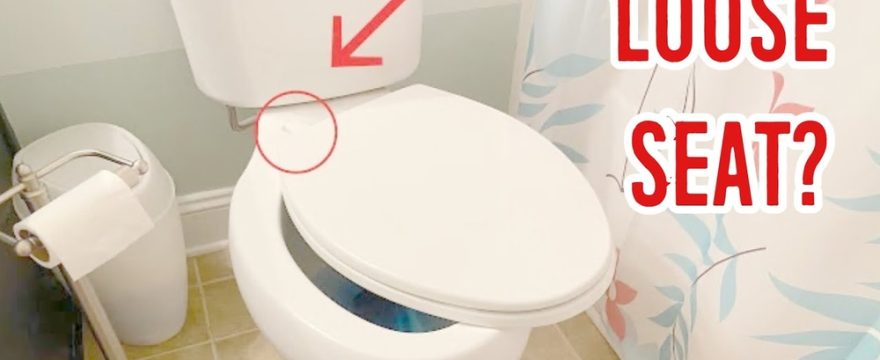
Is your toilet seat wobbling or feeling loose every time you sit down? A faulty toilet seat hinge can be both annoying and uncomfortable, but fixing it is easier than you might think.
Whether the seat shifts, squeaks, or just won’t stay in place, you can quickly restore stability without calling a plumber or spending a fortune. In this guide, you’ll learn simple, step-by-step tips to tighten or replace your toilet seat hinge using tools you probably already have at home.
Keep reading to discover how a few easy fixes can make your bathroom experience more comfortable and hassle-free—no special skills needed!

Credit: www.wikihow.com
Tools And Materials Needed
Fixing a toilet seat hinge is a simple task. Gathering the right tools and materials makes the job easier. Prepare everything before starting to avoid interruptions.
Using common tools and a few materials saves time and effort. Most items are affordable and easy to find at local stores. This guide lists essential tools and materials for the repair.
Basic Tools
A screwdriver is necessary to remove and tighten screws. Choose a flathead or Phillips head depending on your toilet seat screws. A small wrench or pliers helps to hold nuts in place while loosening or tightening bolts.
Replacement Parts
New hinge bolts or screws often fix loose or broken toilet seat hinges. Some sets come with plastic or metal hinges for better durability. Check your toilet seat model to buy compatible parts.
Cleaning Supplies
Use a cloth or sponge to clean the area around the hinges. Mild soap and water remove dirt and grime for better fitting. Cleaning helps prevent rust and extends the life of the hinges.
Optional Items
Thread locker glue keeps screws tight and prevents loosening over time. A small flashlight can help see screws in dark or tight spaces. A utility knife might be useful to cut damaged plastic parts.
Locating The Hinge Covers
Finding the hinge covers is the first step to fixing a toilet seat hinge. These covers hide the screws that hold the seat in place. Without removing them, you cannot access the screws to tighten or replace the hinge.
Hinge covers are usually small plastic caps. They sit at the back of the toilet seat, near the bowl. Sometimes, they blend in with the seat color, making them hard to spot.
Check The Back Of The Toilet Seat
Look closely at the rear edge of the toilet seat. The hinge covers are often located here. They may be round or rectangular caps covering the screws underneath.
Feel For Small Plastic Caps
Run your fingers along the hinge area. You might feel small bumps or caps. These are the hinge covers protecting the screws.
Use A Flat Tool To Pry Off Covers
Use a flathead screwdriver or a butter knife to gently lift the hinge covers. Be careful not to damage the toilet seat or hinges. Prying them open exposes the screws for adjustment or replacement.
Tightening Loose Hinges
Tightening loose toilet seat hinges is a simple way to fix a wobbly seat. Loose hinges cause the seat to shift or make noise. Fixing them improves comfort and prevents damage. You need basic tools and a little patience.
Removing The Hinge Caps
Start by locating the hinge caps at the back of the seat. These caps cover the bolts that hold the seat in place. Gently pry the caps off using a flathead screwdriver. Set the caps aside to avoid losing them. Removing the caps reveals the bolts beneath.
Holding The Nut In Place
Under the toilet bowl, find the nuts attached to the bolts. These nuts keep the seat secured. Use pliers or a wrench to hold the nut firmly. Holding the nut prevents it from spinning when tightening. This step is important to tighten the bolts correctly.
Securing The Bolts
With the nut held steady, turn the bolt on top using a screwdriver. Tighten the bolt until the seat no longer moves. Do not overtighten, or you might crack the toilet or seat. Check the seat by moving it gently. If it still feels loose, tighten the bolts a little more.
Replacing Broken Hinges
Replacing broken hinges is a simple way to fix a loose or damaged toilet seat. It restores stability and prevents wobbling. The process involves removing the old seat, taking off the broken hinges, and installing new ones. Follow the steps carefully for the best results.
Removing The Toilet Seat
Start by lifting the caps covering the hinge screws. Use a flathead screwdriver to pry them open. Next, use a screwdriver or wrench to unscrew the bolts holding the seat. Lift the toilet seat and set it aside.
Detaching Old Hinges
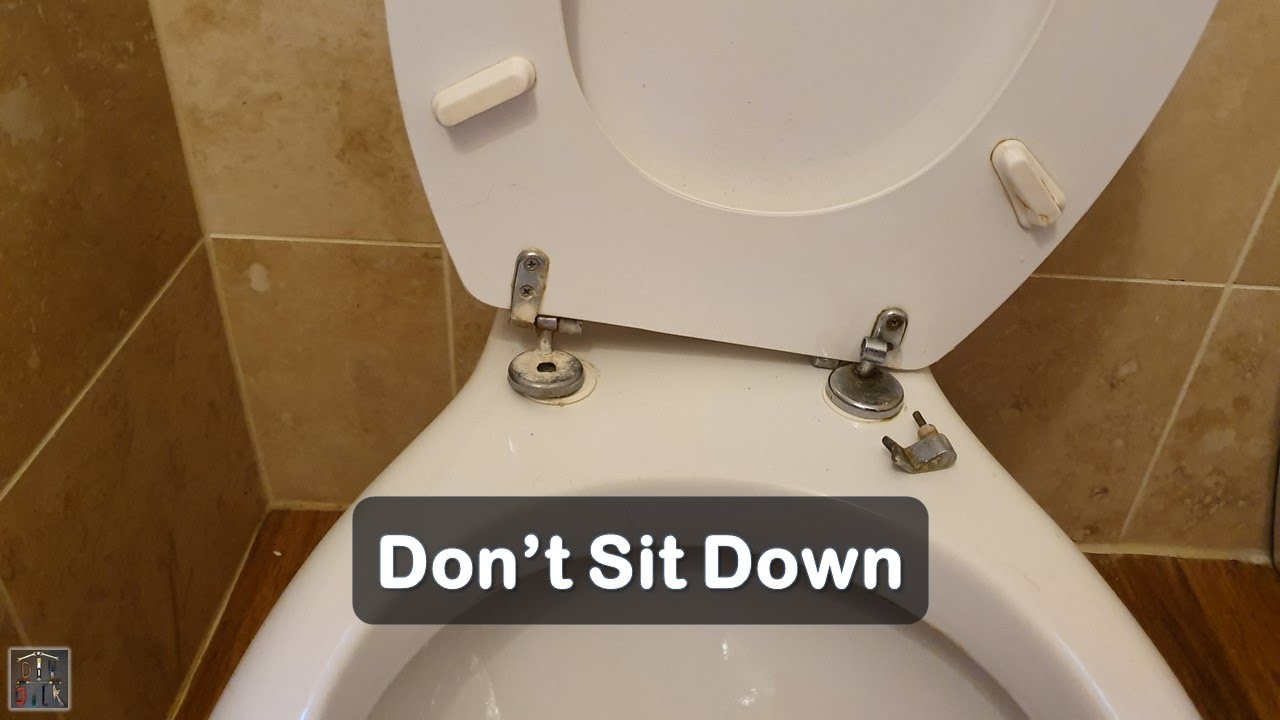
Check the hinges for any remaining screws or clips. Unscrew or unclip the broken hinges from the seat. Some hinges snap off easily, while others need gentle prying. Remove all old hinge parts completely before continuing.
Installing New Hinges
Align the new hinges with the holes on the toilet seat. Insert screws or clips as needed to secure them. Tighten the screws firmly, but avoid overtightening. Ensure the hinges move smoothly and fit snugly.
Reattaching The Seat
Place the toilet seat back onto the toilet bowl. Line up the hinge bolts with the holes in the toilet. Insert the bolts and tighten them from underneath. Close the hinge caps to cover the screws for a clean look.
Fixing Soft-close Seat Mechanisms
Fixing a soft-close toilet seat hinge requires patience and care. These hinges control the slow closing action. They prevent the seat from slamming shut. Over time, the soft-close mechanism can wear out or break. This causes the seat to drop quickly or become loose.
Repairing these hinges may involve tightening, cleaning, or replacing parts. Understanding the mechanism helps you fix it properly. This section explains simple steps to restore soft-close functionality.
Identifying The Problem In Soft-close Hinges
Check if the seat closes too fast or does not close at all. Look for cracks or broken parts in the hinge. Dirt and debris can block smooth movement. Listen for unusual noises when closing the seat. These signs show the hinge needs attention.
Cleaning And Lubricating The Hinges
Remove the seat carefully following the manufacturer’s instructions. Clean the hinge area with a soft cloth and mild soap. Avoid harsh chemicals that damage plastic or metal. Use a silicone-based lubricant to ease movement. Avoid oil-based lubricants as they attract dust.
Tightening Loose Soft-close Hinges
Locate the screws or bolts holding the hinge in place. Use a screwdriver or wrench to tighten them gently. Do not overtighten as this can crack the plastic. Test the seat by lowering it slowly. Repeat tightening if the seat still feels loose.
Replacing Broken Soft-close Mechanism Parts
Purchase replacement parts matching your toilet seat model. Remove the old hinge parts carefully. Install the new soft-close mechanism following the product guide. Ensure all screws and bolts are secure. Test the seat several times to confirm smooth closing.

Credit: www.ifixit.com
Preventing Future Hinge Damage
Preventing future hinge damage is key to keeping your toilet seat secure and functional. Simple care and attention during installation and use can extend the life of the hinges. Avoiding common mistakes helps stop frequent repairs and replacements. Follow these practical tips to protect your toilet seat hinges from wear and tear.
Avoiding Over-tightening
Do not tighten the hinge screws too much. Excessive force can crack the plastic or strip the screws. Tighten screws just enough to hold the seat firmly in place. Use a screwdriver with steady pressure, not a power tool. Check the seat’s stability after tightening to ensure it does not move. Over-tightening causes stress and weakens the hinges over time.
Proper Seat Installation Tips
Align the seat correctly before securing the hinges. Make sure the holes in the seat match the toilet bowl holes. Use the right screws and bolts that come with the seat. Replace any worn or damaged parts during installation. Tighten hinges evenly on both sides to avoid uneven pressure. Follow the manufacturer’s instructions carefully for best results.
When To Replace The Entire Toilet Seat
Knowing when to replace the entire toilet seat saves time and effort. Some problems with the seat cannot be fixed by only replacing the hinges. In such cases, replacing the whole seat is the best option.
Toilet seats wear out over time. Cracks, discoloration, or damage make them unsanitary and uncomfortable. Hinges might be broken beyond repair or missing crucial parts. The seat may also not fit the toilet properly anymore.
Visible Cracks And Damage On The Toilet Seat
Cracks or breaks in the toilet seat weaken its structure. They can cause injury or discomfort. Dirt and bacteria gather in cracks, making cleaning difficult. A damaged seat needs full replacement for safety and hygiene.
Hinges Broken Beyond Repair
Sometimes, hinges are too damaged to fix or replace alone. Plastic hinges may snap or become loose repeatedly. Metal hinges can rust or bend out of shape. In these cases, replacing the entire seat ensures proper function.
Discoloration And Stains That Won’t Clean
Stains and discoloration make a toilet seat look old and dirty. Harsh cleaning can damage the seat material further. When stains do not come off, replace the seat for a fresh, clean look.
Poor Fit Or Compatibility Issues
A seat that does not fit the toilet bowl causes discomfort. It may also wobble or shift during use. If hinges or bolts do not align, the whole seat might be the wrong size. Choose a new seat that fits perfectly.
Quick Tips For Common Issues
Fixing a toilet seat hinge can seem tricky but many common issues have simple solutions. This section offers quick tips to solve usual problems fast. These fixes save time and prevent further damage. Use basic tools and clear steps to make your toilet seat sturdy again.
Snapping The Seat Back On
Align the seat hinge with the base holes carefully. Press down firmly but gently until you hear a click. This sound means the hinge snapped back in place. Avoid forcing the seat, as it may break the hinge. If it does not snap, check for any broken parts or dirt blocking the fit.
Handling Stripped Bolts
Stripped bolts lose their grip and can be hard to turn. Use a rubber band for extra grip by placing it over the bolt head. Then, turn the screwdriver slowly to remove it. If that fails, try pliers to twist the bolt out. Replace stripped bolts with new ones from a hardware store.
Dealing With Stubborn Nuts
Stubborn nuts often stick due to rust or grime. Apply a small amount of lubricant like WD-40 and wait a few minutes. Use a wrench for better grip and turn slowly. Tap the nut lightly with a hammer to loosen it if needed. Always clean the area after removing the nut to prevent future problems.
Credit: www.youtube.com
Frequently Asked Questions
How Do I Fix The Hinges In My Toilet Seat?
Open the hinge covers, tighten bolts with a screwdriver while holding nuts underneath, then snap covers back. Replace hinges if broken.
Can You Replace Just The Hinges On A Toilet Seat?
Yes, you can replace just the hinges on a toilet seat. Remove the old hinges, then install new ones to secure the seat properly.
How To Snap A Toilet Seat Back On?
Align the toilet seat hinges with the mounting holes. Press down firmly until you hear a click. Tighten hinge bolts with a screwdriver to secure the seat. Snap the hinge covers back over the bolts to finish.
Why Does My Toilet Seat Keep Breaking At The Hinges?
Your toilet seat hinges break due to improper installation, over-tightening bolts, or using low-quality materials. Tighten bolts gently and avoid overtightening. Replace worn hinges with durable ones to prevent frequent breakage.
How Do I Fix A Loose Toilet Seat Hinge?
Tighten the hinge screws using a screwdriver or wrench. Replace worn bolts if tightening doesn’t work. Secure the seat firmly to avoid movement.
Can I Replace Only The Toilet Seat Hinges?
Yes, hinges can be replaced separately without buying a new seat. Remove old hinges and match new ones to your seat type. Install new hinges and tighten them properly.
Why Does My Toilet Seat Hinge Keep Breaking?
Hinges break due to frequent stress, poor quality, or improper installation. Plastic hinges wear out faster than metal ones. Use durable materials and tighten screws regularly to prevent damage.
How Do I Remove A Toilet Seat With Hidden Hinges?
Look under the hinge caps and pry them off gently. Unscrew the bolts beneath the caps to release the seat. Clean the area before installing a new seat or hinges.
What Tools Do I Need To Fix A Toilet Seat Hinge?
A screwdriver, adjustable wrench, and replacement bolts or hinges are essential. Sometimes pliers can help with stubborn screws. Keep a towel handy to protect the toilet surface.
How Can I Stop My Toilet Seat From Moving?
Make sure all hinge screws are tight and secure. Use rubber washers to prevent slipping between the seat and bowl. Replace damaged bolts or hinges immediately.
Conclusion
Fixing a toilet seat hinge is simple and saves money. Tighten or replace the hinge bolts carefully. Use basic tools like a screwdriver for the job. Check the seat regularly to avoid future issues. A sturdy seat improves comfort and safety in your bathroom.
Small repairs prevent bigger problems later on. You can complete this task in minutes with patience. Keep your toilet seat secure and comfortable every day.


Leave a Reply