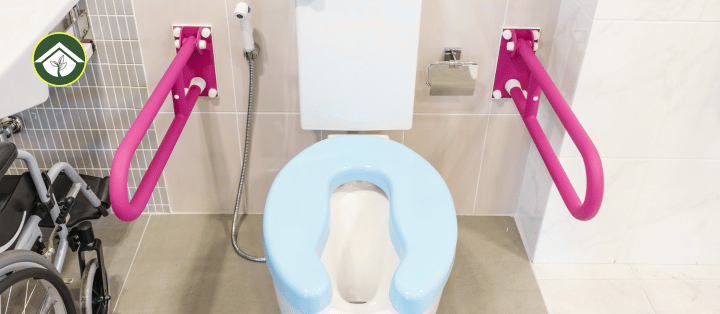
If you or a loved one struggle with getting up and down from the toilet, a handicap toilet seat could be a simple solution that makes a big difference. These raised toilet seats add height and stability, reducing strain on your knees and hips while making every trip to the bathroom safer and more comfortable.
Whether you’re dealing with limited mobility, recovering from surgery, or caring for someone who needs extra support, choosing the right handicap toilet seat can restore independence and peace of mind. Keep reading to discover how these easy-to-install bathroom aids work and what features you should look for to fit your needs perfectly.
Types Of Handicap Toilet Seats
Handicap toilet seats come in various types to meet different needs. Each type offers unique features for comfort and safety. Choosing the right seat depends on personal mobility and bathroom setup.
Below are common types of handicap toilet seats that improve accessibility and ease of use.
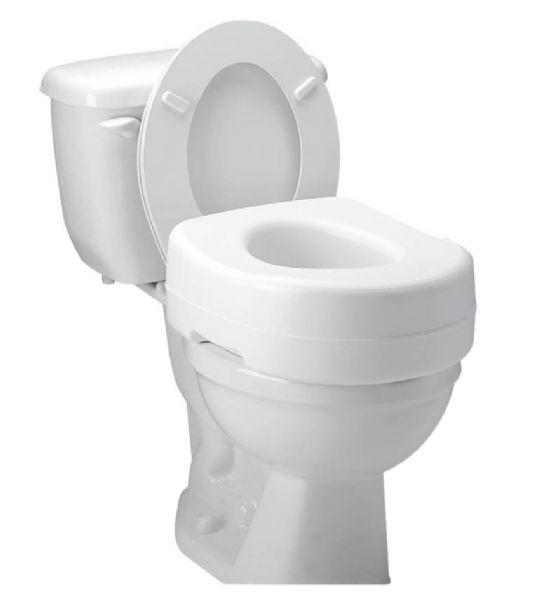
Raised Toilet Seats
Raised toilet seats increase the height of the standard toilet. This makes sitting down and standing up easier. They help reduce strain on knees and hips. Most raised seats fit securely over existing toilets. Some models come with locking mechanisms for added safety.
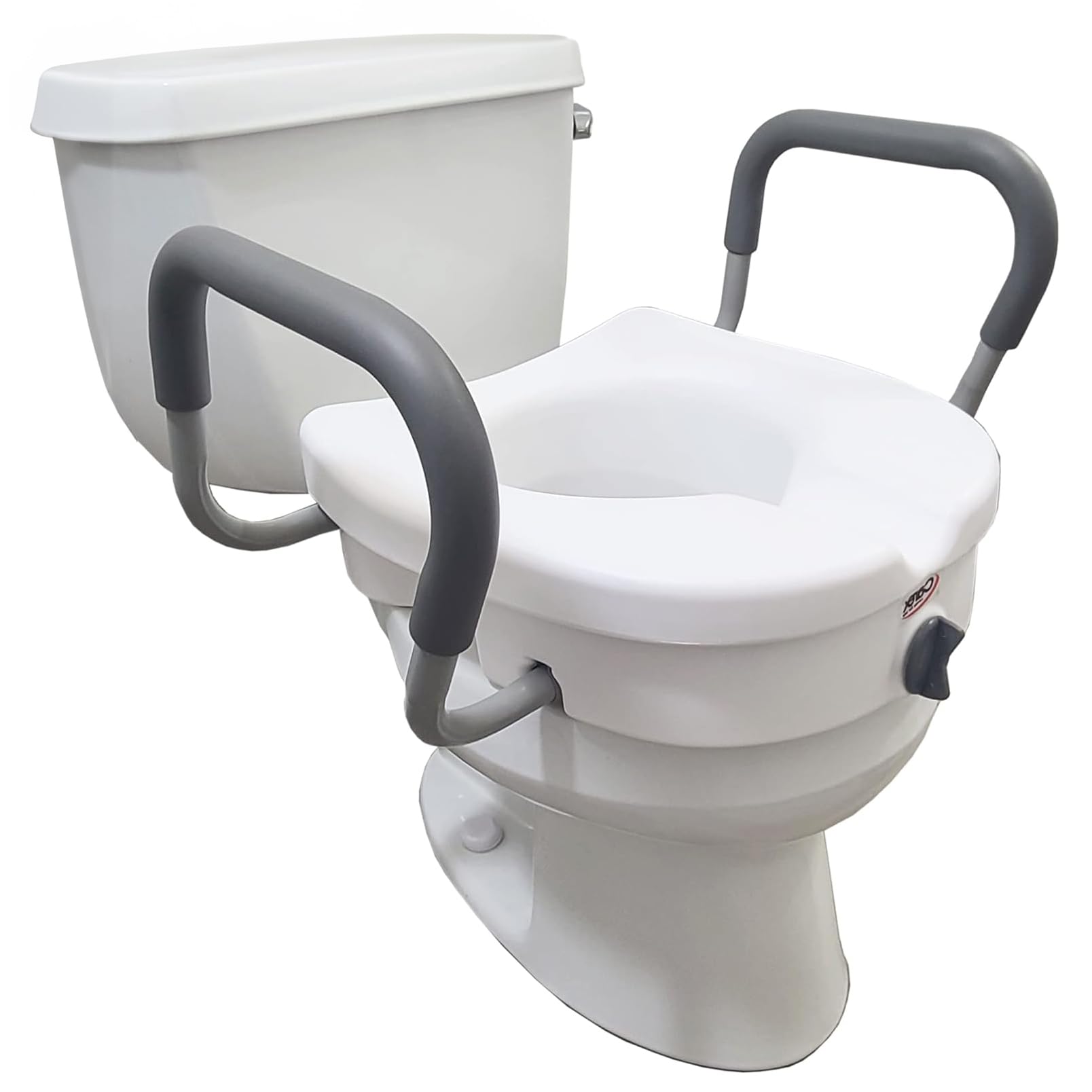
Toilet Seat Risers With Handles
Toilet seat risers with handles add extra support. The handles provide stability while sitting or standing. They reduce the risk of falls in the bathroom. These seats are ideal for those with balance issues. Handles can be fixed or removable depending on the model.
Padded And Cushioned Seats
Padded and cushioned seats offer extra comfort. Soft materials prevent pressure sores during long sitting periods. These seats are gentle on sensitive skin. They come in various thicknesses and colors. Many are easy to clean and water-resistant.
Portable And Bariatric Options
Portable handicap toilet seats are lightweight and easy to carry. They work well for travel or temporary use. Bariatric options support higher weight limits. These seats are wider and stronger for extra durability. Both types focus on safety and convenience.
Choosing The Right Seat
Choosing the right handicap toilet seat is important for comfort and safety. The right seat helps users sit and stand more easily. It also reduces the risk of falls and injuries. Many factors affect the choice. Consider the user’s needs, toilet size, material, and weight limits.
Assessing User Needs
Think about the user’s mobility and strength. Some need extra height to stand comfortably. Others need armrests for support. Consider any health issues like arthritis or balance problems. Choose a seat that matches these needs. Comfort and stability are key.
Measuring Toilet Dimensions
Measure the width and length of the current toilet bowl. Check the distance between bolt holes. These numbers ensure the seat fits perfectly. A wrong size may cause wobbling or discomfort. Accurate measurements prevent installation problems.
Material And Durability
Look for seats made of strong, easy-to-clean materials. Plastic seats are lightweight and resist stains. Some have extra padding for comfort. Metal frames offer durability and support. Choose a material that lasts and stays hygienic.
Weight Capacity Considerations
Check the seat’s maximum weight limit. It should support the user’s body safely. Seats with higher weight capacity offer more stability. Avoid seats with low limits to prevent accidents. Always select a seat with a suitable weight rating.
Installation Tips
Installing a handicap toilet seat correctly is key for safety and comfort. The process is simple but requires attention to detail. Follow these tips to ensure the seat is secure and fits well. Proper installation helps avoid accidents and improves usability.
Securing The Seat Properly
Place the raised seat evenly on the toilet bowl. Tighten all bolts firmly to prevent movement. Check that the seat does not shift when pressure is applied. A stable seat supports safe sitting and standing.
Compatibility With Existing Toilets
Measure your toilet bowl before buying a seat. Most handicap seats fit standard round or elongated bowls. Confirm the seat size and shape match your toilet. This avoids fitting problems and ensures comfort.
Tools Required For Installation
You will need a screwdriver, adjustable wrench, and measuring tape. Some seats include special tools in the package. Keep these handy to speed up installation. Proper tools help secure the seat correctly.
Common Installation Mistakes
Do not overtighten bolts, as this can crack the seat. Avoid installing the seat unevenly, which causes instability. Forgetting to check fit before tightening leads to problems. Take your time to avoid these errors for a safe installation.
Features Enhancing Comfort
Comfort is crucial in handicap toilet seats to support users’ independence. Thoughtful features improve safety and ease during use. These elements focus on stability, fit, and cleanliness. Each addition helps users feel secure and relaxed.
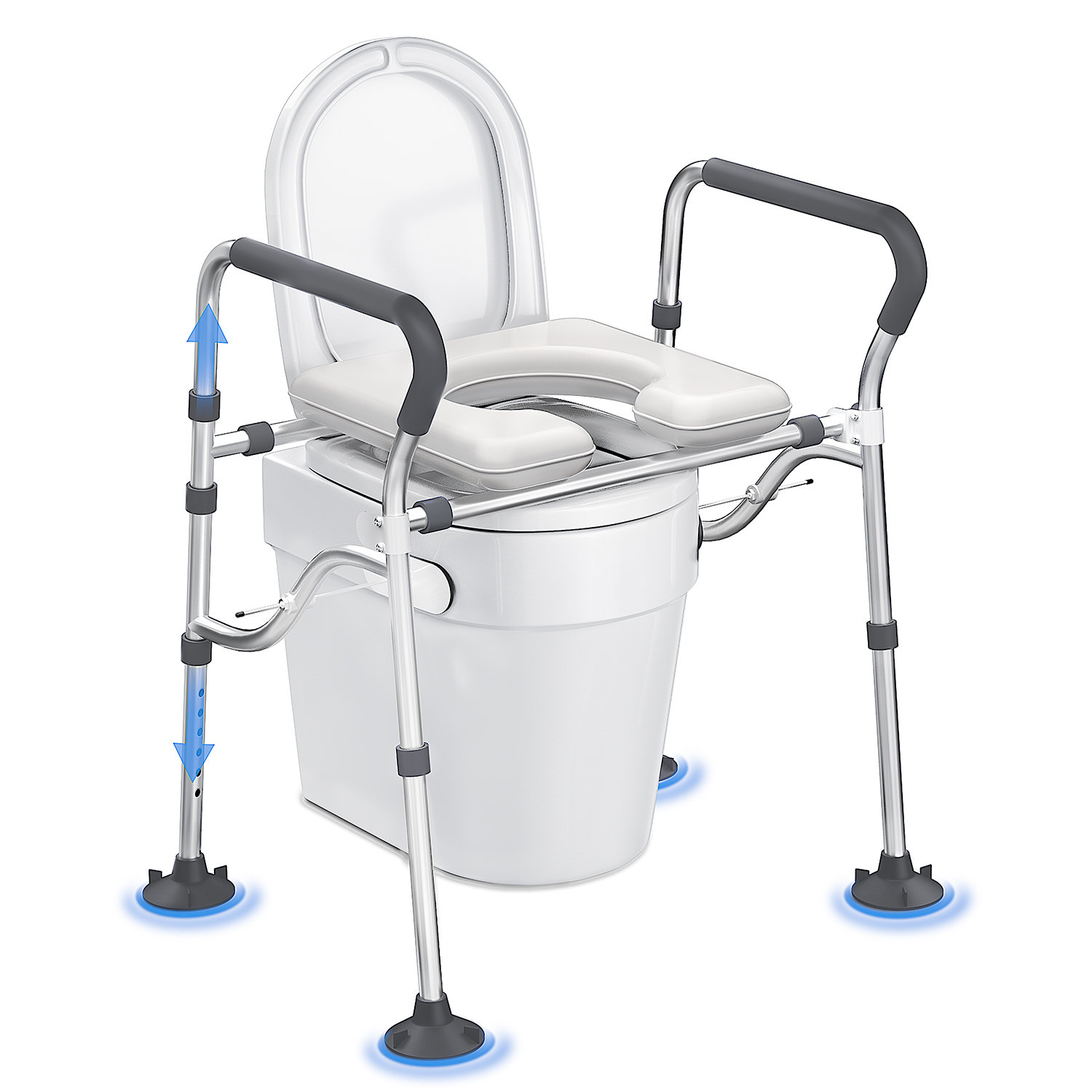
Armrests And Support Rails
Armrests provide extra support when sitting or standing. They help balance the body and reduce strain on muscles. Support rails offer a firm grip to prevent slips. These aids boost confidence and safety in the bathroom.
Height Adjustability
Adjustable height matches the user’s needs perfectly. It reduces knee and hip discomfort during use. Custom height settings make transfers easier from wheelchairs or walkers. This feature suits a wide range of users for better comfort.
Non-slip Surfaces
Non-slip surfaces prevent accidents by improving grip. They keep the seat steady even when wet. Textured finishes enhance safety without sacrificing comfort. This feature is essential in reducing bathroom falls.
Easy-clean Materials
Materials that clean easily save time and effort. They resist stains, odors, and bacteria growth. Smooth surfaces wipe down quickly with common cleaners. Maintaining hygiene is simpler and more effective with these materials.
Accessibility Benefits
Handicap toilet seats offer important accessibility benefits for many users. These seats provide comfort and practical support. They help people with limited mobility use the bathroom safely and independently. Accessibility features improve overall bathroom experience and reduce risks.
Improved Mobility And Safety
Handicap toilet seats raise the height of the toilet. This makes sitting down and standing up easier. Users do not need to bend as far. This reduces strain on the knees and hips. The added height also helps people with muscle weakness move more freely. Safety improves because users can maintain better balance.
Fall Prevention
Falls in the bathroom can cause serious injuries. Handicap toilet seats reduce this risk by providing a stable surface. Many models include armrests for extra support. Users can hold on while sitting or standing. This steady grip lowers the chance of slips or falls. Bathrooms become safer for elderly and disabled individuals.
Assistance For Wheelchair Users
Wheelchair users benefit from handicap toilet seats designed for easy transfers. The raised seat height matches wheelchair seat height. This alignment makes moving from chair to toilet smoother and safer. Some seats have side supports to assist with balance. This feature helps users feel secure and reduces strain on caregivers.
Independence In Daily Activities
Handicap toilet seats support independence in bathroom routines. Users can manage toileting without extra help. This promotes dignity and confidence. The design allows for easier, faster use of the toilet. People regain control over their daily tasks. Independence improves quality of life and personal comfort.
Credit: www.amazon.com
Maintenance And Care
Proper maintenance and care extend the life of a handicap toilet seat. Regular attention keeps it safe and comfortable to use. A well-kept seat prevents accidents and supports daily hygiene. Follow simple steps to maintain your seat in good condition.
Cleaning Guidelines
Clean the seat regularly with mild soap and warm water. Avoid harsh chemicals that can damage the material. Use a soft cloth or sponge to wipe all surfaces. Rinse thoroughly and dry with a clean towel. Sanitize often to reduce bacteria and odors. This helps keep the seat hygienic and fresh.
Checking For Wear And Tear
Inspect the seat weekly for cracks, loose parts, or damage. Look closely at hinges and locking mechanisms. Worn parts can cause instability and risk of injury. Replace or repair any damaged components right away. Regular checks ensure the seat remains safe for use.
Replacing Parts
Find replacement parts from the original manufacturer or trusted sellers. Match parts exactly to your seat model for proper fit. Follow instructions carefully when installing new pieces. Tighten screws and bolts securely to avoid wobbling. Timely replacement keeps the seat functioning well.
Storage Tips For Portable Seats
Store portable handicap toilet seats in a dry, cool place. Avoid exposure to direct sunlight or extreme temperatures. Clean the seat before storage to prevent mold and odors. Use a protective cover or bag to keep dust away. Proper storage maintains the seat’s condition and usability.
Insurance And Coverage
Insurance plays a key role in obtaining a handicap toilet seat. Understanding coverage options helps reduce out-of-pocket costs. Various plans offer different levels of support for these essential aids. Knowing which policies cover handicap toilet seats can simplify the buying process. This section covers Medicare, Medicaid, private insurance, required documentation, and where to buy covered seats.
Medicare And Medicaid Policies
Medicare may cover handicap toilet seats as durable medical equipment. Coverage depends on medical necessity and doctor’s prescription. Medicaid programs vary by state but often provide similar benefits. Both require proof that the device improves mobility or prevents falls. Approval processes can take time, so plan ahead.
Private Insurance Options
Many private insurers include handicap toilet seats in their coverage. Policies differ widely in what they pay for and how much. Some require prior approval or specific brands. Call your insurance provider to learn the exact terms. Private insurance often covers more than government plans but may have higher deductibles.
Documentation Needed For Claims
Documentation is crucial for insurance claims on handicap toilet seats. A doctor’s prescription stating medical need is mandatory. Keep receipts and product details for proof of purchase. Photographs of the current bathroom setup can support the claim. Accurate records speed up approval and reimbursement.
Where To Purchase Covered Seats
Covered handicap toilet seats can be purchased from medical supply stores. Many online retailers accept insurance claims with proper documentation. Some suppliers work directly with insurers for easier billing. Check if local pharmacies or rehabilitation centers offer covered models. Confirm coverage before buying to avoid unexpected costs.
Top Brands And Where To Buy
Choosing the right handicap toilet seat matters for comfort and safety. Many brands offer various features to suit different needs. Finding a trusted brand helps ensure quality and durability. Buying options include local stores and online shops. Each source has its benefits for price and convenience.
Popular Brands In Austin, Texas
Austin has several well-known brands for handicap toilet seats. Carex is a top choice, known for durable and easy-to-install seats. Vive Health offers models with armrests for extra support. Bathroom Aid provides seats with padded cushions for comfort. These brands focus on safety and accessibility.
Online Retailers
Online shopping offers a wide range of handicap toilet seats. Amazon carries many brands with detailed customer reviews. Walmart’s online store provides budget-friendly options with fast shipping. Rehabmart.com specializes in medical supplies, including high-quality raised toilet seats. Shopping online allows easy comparison of styles and prices.
Local Medical Supply Stores
Medical supply stores in Austin stock handicap toilet seats for immediate purchase. These stores offer personalized advice and fitting help. Local shops often carry trusted brands like Carex and Bathroom Aid. Visiting a store lets you see the product before buying. Staff can recommend the best model for specific needs.
Comparing Prices And Features
Prices vary based on brand, material, and added features. Basic raised seats cost less but may lack armrests or padding. Seats with locking mechanisms offer extra safety but at a higher price. Padded seats increase comfort but require more cleaning. Compare weight limits, installation type, and warranty for best value.
User Experiences And Reviews
User experiences and reviews offer valuable insight into the practical benefits and challenges of handicap toilet seats. These firsthand accounts help others understand how these products perform in daily life. They reveal how seniors and caregivers adapt to and benefit from using handicap toilet seats. Real stories also highlight common issues and successful outcomes.
Feedback From Seniors
Seniors appreciate the added comfort and safety from raised toilet seats. Many say it reduces the strain on their knees and hips. Users feel more independent and confident using the toilet. Some mention the importance of sturdy armrests for extra support. A few seniors note the seat’s ease of cleaning as a big plus. Overall, most seniors report satisfaction with improved bathroom safety.
Caregiver Perspectives
Caregivers find handicap toilet seats helpful for assisting loved ones. They say the seats make transfers easier and safer. Many caregivers value adjustable heights and secure locking mechanisms. Some highlight how the seats reduce physical strain during care tasks. Caregivers also appreciate seats that fit most toilet types. This flexibility saves time and effort in care routines.
Common Challenges
Some users face challenges with installation and seat fit. Incorrect measurements can lead to loose or unstable seats. A few seniors find certain models uncomfortable or too bulky. Cleaning difficulties arise with some designs that have crevices. Others mention armrests that are too narrow or hard to grip. These challenges show the need to choose the right product carefully.
Success Stories
Many share positive stories of regained independence thanks to handicap toilet seats. Users describe how these seats prevent falls and injuries. Some seniors say the seats helped them avoid moving to assisted living. Caregivers report less back pain and fewer accidents. Success stories often involve simple adjustments improving quality of life. These accounts inspire others to consider raised toilet seats for safety.
Credit: valida-pirna.de
Credit: www.rehabmart.com
Frequently Asked Questions
Does Medicare Pay For Handicap Toilet Seats?
Medicare may cover handicap toilet seats if prescribed by a doctor as medically necessary durable medical equipment.
What Is A Handicap Toilet Seat?
A handicap toilet seat is a raised seat designed to improve toilet accessibility for people with disabilities or limited mobility. It provides extra height and stability, making sitting and standing easier and safer.
What Is The Best Toilet For Disabled People?
The best toilet for disabled people features a raised seat, sturdy armrests, and non-slip surfaces for safety and ease of use.
What Is A Higher Toilet Seat For Disabled People?
A higher toilet seat for disabled people raises the seat height for easier sitting and standing. It improves safety, reduces strain, and supports mobility limitations. These seats often include armrests or locking features to enhance stability and comfort during use.
What Is A Handicap Toilet Seat?
A handicap toilet seat is a raised toilet seat designed for people with mobility issues. It makes sitting down and standing up easier and safer.
Who Benefits Most From Handicap Toilet Seats?
People with arthritis, limited mobility, or recovering from surgery benefit most. Seniors and wheelchair users also find them helpful.
How Does A Handicap Toilet Seat Improve Bathroom Safety?
It reduces the risk of falls by providing extra height and stability. Some models include armrests for added support.
Are Handicap Toilet Seats Easy To Install?
Yes, most handicap toilet seats fit standard toilets and require no tools. They can be secured with clamps or locks for safety.
What Materials Are Used In Handicap Toilet Seats?
Common materials include durable plastic, foam padding, and stainless steel for frames. These ensure comfort and long-lasting use.
Can Handicap Toilet Seats Fit All Toilet Types?
Most fit standard round or elongated toilets. Some models are adjustable to fit various toilet shapes and sizes.
Conclusion
Choosing the right handicap toilet seat improves bathroom safety and comfort. Raised seats help reduce strain on knees and hips. They make sitting and standing easier for many users. Installation is usually simple and requires no special tools. Consider the seat height and armrest options before buying.
A good fit supports independence and prevents falls. Accessible bathrooms create a better daily experience for everyone. Handicap toilet seats offer practical solutions for mobility challenges. Prioritize safety and ease with the right toilet seat choice.


Leave a Reply