Have you ever wondered if you can catch trichomoniasis from a toilet seat? It’s a common worry that pops up, especially when using public restrooms.
You might be asking yourself, “Could something as simple as sitting down put me at risk? ” Understanding how this infection spreads can help you protect yourself and ease your mind. You’ll discover the truth about trichomoniasis transmission, why toilet seats are rarely the culprit, and what really puts you at risk.
Keep reading to separate fact from fiction and learn practical tips to stay safe.
Trichomoniasis Basics
Understanding the basics of trichomoniasis helps clear up many myths. This infection often raises questions about how it spreads and what symptoms to watch for. Knowing the facts is key to protecting your health.
What Is Trichomoniasis?
Trichomoniasis is a common sexually transmitted infection. It is caused by a parasite called Trichomonas vaginalis. The parasite lives in the genital area and can cause discomfort. Many people carry the infection without knowing it.
How Trichomoniasis Spreads
This infection spreads mainly through sexual contact. It passes from one person to another during vaginal sex. The parasite needs a warm, moist environment to survive. It cannot live long outside the human body. Touching a toilet seat or other dry surfaces rarely spreads trichomoniasis.
Common Symptoms
Symptoms often appear within five to twenty-eight days after infection. Women may feel itching, burning, or redness in the genital area. Discharge with a strong odor is common. Men usually have fewer symptoms but may feel irritation or discharge. Many infected people show no signs at all.
Credit: int.livhospital.com
Myths About Toilet Seat Transmission
Many people worry about catching trichomoniasis from toilet seats. This fear spreads because of misunderstandings about how the infection spreads. Trichomoniasis is mostly a sexually transmitted infection. The idea of catching it from a toilet seat is a common myth.
This section clears up confusion. It explains if the parasite can live on toilet seats and how it compares to sexual transmission. Knowing the facts helps you stay informed and safe.
Can Parasites Live On Toilet Seats?
Parasites like Trichomonas vaginalis need a warm, moist place to survive. Toilet seats are usually cold and dry. These conditions make it hard for the parasite to live long outside the body. Parasites die quickly on such surfaces.
Touching a dry toilet seat rarely causes infection. The parasite cannot move or grow there. Toilet seats do not provide the right environment for parasites to stay alive.
Survival Conditions For Trichomonas Vaginalis
Trichomonas vaginalis thrives in the human genital area. It needs moisture and body heat to live. Outside the body, it can survive only a few minutes. Damp towels or wet clothing pose a slightly higher risk than dry surfaces.
Survival depends on temperature and moisture. The parasite dies fast on cold or dry surfaces like toilet seats. This explains why non-sexual transmission is very rare.
Comparing Sexual And Non-sexual Transmission
Sexual contact is the main way trichomoniasis spreads. The parasite passes directly between partners during intercourse. This close contact gives the parasite the perfect environment.
Non-sexual transmission, such as from toilet seats, is almost impossible. The parasite cannot survive long enough outside the body to infect someone. Sexual transmission remains the primary concern for infection.
Real Risks Of Contracting Trichomoniasis
Trichomoniasis is a common sexually transmitted infection caused by a parasite. Many wonder about the chances of catching it from places like toilet seats. Understanding the real risks helps clear up common fears. The parasite needs specific conditions to survive and spread.
It cannot live long outside the human body. Warm and moist environments support its survival. Cold, dry surfaces like toilet seats do not. This makes transmission from toilet seats very unlikely.
Sexual Contact As Primary Mode
Trichomoniasis spreads mainly through sexual contact. The parasite passes from one person to another during vaginal intercourse. It lives in the genital area and thrives in the moist environment there. This close contact provides the perfect setting for transmission. Other forms of contact rarely lead to infection.
Possibility Of Transmission Via Damp Surfaces
The parasite can survive briefly on damp surfaces. Towels, wet clothing, or moist objects may carry it for a short time. If these touch the genital area quickly, transmission could happen. Still, the chances are very low. Dry surfaces kill the parasite fast. Toilet seats are usually dry and cold, reducing risk further.
Rare Cases And Their Context
There are very few reports of non-sexual transmission. These cases often involve prolonged contact with damp objects. For example, sharing wet towels or swimwear. Even then, the risk remains minimal. Experts stress that sexual contact remains the main way to catch trichomoniasis. Fear of toilet seat transmission is mostly unfounded.
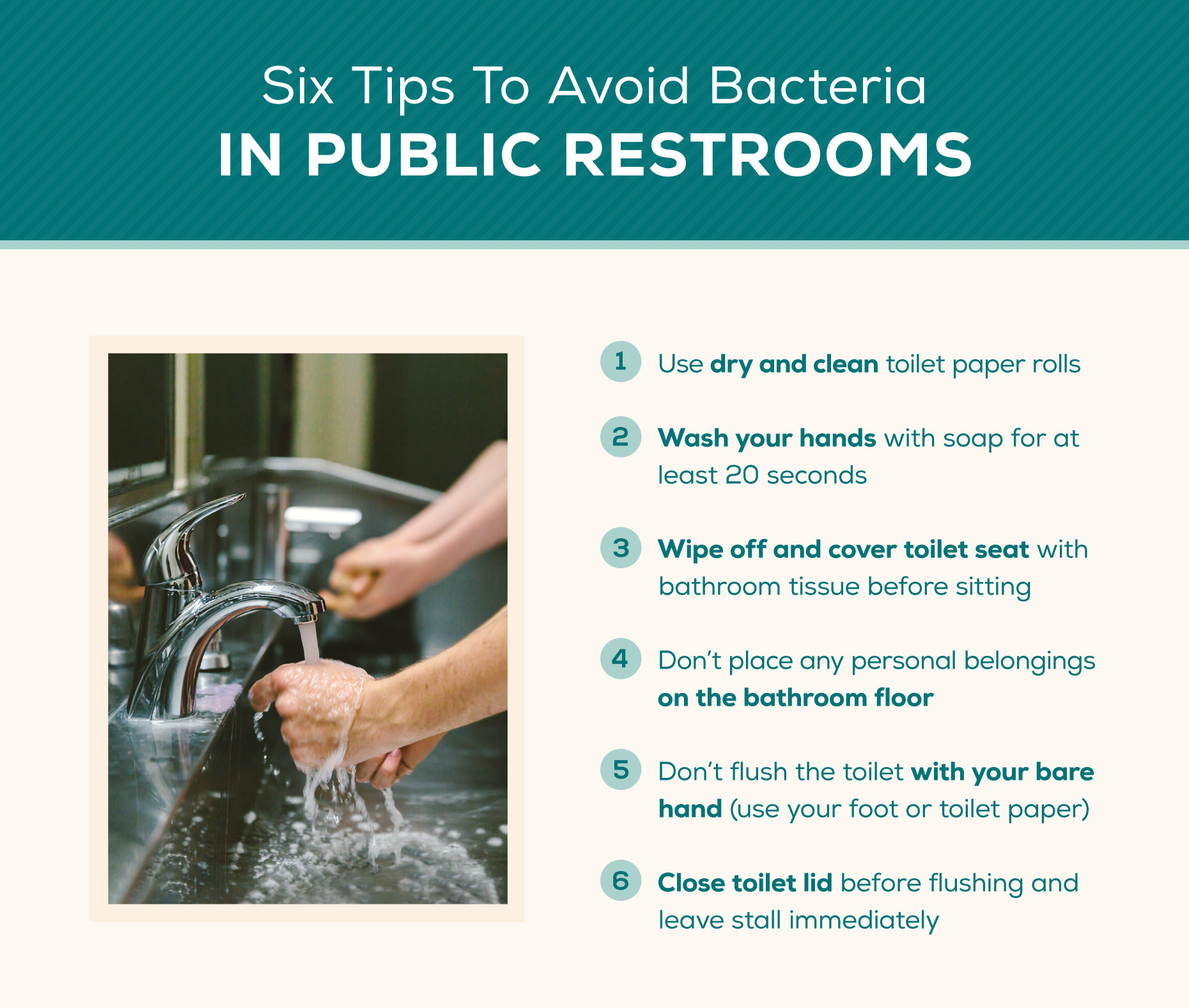
Hygiene Tips For Public Restrooms
Public restrooms can feel risky to use. Germs and infections seem to lurk everywhere. Following simple hygiene tips lowers infection chances. Keeping clean habits protects your health in shared spaces. These tips help reduce worry about rare infections like trichomoniasis from toilet seats.
Sanitizing Toilet Seats
Wipe the seat before sitting down. Use disinfectant wipes or toilet paper with sanitizer. This removes germs and lowers infection risk. Clean surfaces feel safer and fresher. Avoid sitting directly on the seat without cleaning it first.
Using Barriers Effectively
Use paper toilet seat covers when available. They form a barrier between skin and seat. If covers are missing, fold toilet paper several times. Place it on the seat to create a dry layer. Barriers help block contact with potentially damp or dirty surfaces.
Personal Hygiene Practices
Wash your hands thoroughly after using the restroom. Use soap and warm water for at least 20 seconds. Dry hands with a clean towel or air dryer. Avoid touching your face before washing hands. Good personal hygiene stops many infections from spreading.
Testing And Treatment Options
Testing and treatment are important steps after any possible exposure to trichomoniasis. Early diagnosis helps prevent complications and stops the infection from spreading. Understanding when to get tested, what treatments are available, and where to find care makes managing this infection easier.
When To Get Tested
Testing is needed if you have symptoms like itching, burning, or unusual discharge. Also get tested after unprotected sex or if your partner has trichomoniasis. Regular screening helps catch the infection early, even when no symptoms appear. Testing is simple and quick at most health clinics.
Available Medical Treatments
Doctors usually prescribe antibiotics to treat trichomoniasis. Metronidazole and tinidazole are common medicines that kill the parasite. Take all medicine as directed, even if symptoms disappear fast. Avoid sexual contact until treatment is complete and your doctor says it is safe.
Finding Sexual Health Clinics
Sexual health clinics offer testing and treatment for trichomoniasis. Many clinics provide services at low or no cost. Use online resources like the CDC GetTested Locator to find a clinic near you. These clinics also offer confidential and friendly care.
Credit: www.everlywell.com
Preventing Trichomoniasis
Preventing trichomoniasis is key to staying healthy and avoiding discomfort. Understanding how the infection spreads helps control its risks. The parasite mainly passes through sexual contact, so prevention focuses on safe practices and awareness. Taking simple steps lowers chances of catching or spreading trichomoniasis.
Safe Sexual Practices
Use condoms consistently and correctly during sex. Condoms reduce the risk of passing the parasite. Limit the number of sexual partners to reduce exposure. Avoid sexual contact if you or your partner have symptoms. Avoid sharing towels or clothing that touches the genital area.
Importance Of Communication
Talk openly with your sexual partners about STDs. Sharing health status builds trust and safety. Discuss testing history before becoming intimate. Encourage partners to seek treatment if infected. Honest communication helps prevent unknowingly spreading the infection.
Regular Health Screenings
Get tested for STDs regularly, especially if sexually active with multiple partners. Early detection allows prompt treatment. Many people with trichomoniasis show no symptoms. Routine screenings protect you and your partners. Visit a healthcare provider or clinic for testing and advice.
Credit: www.healthline.com
Frequently Asked Questions About Can You Get Trichomoniasis from Toilet Seat
Can Trichomoniasis Be Contracted Non-sexually?
Trichomoniasis mainly spreads through sexual contact. Non-sexual transmission is extremely rare but possible via damp towels or wet surfaces.
Can Trich Live On Bed Sheets?
Trichomonas parasites rarely survive on bed sheets. They need warm, moist conditions and die quickly on dry surfaces like sheets.
How Long Can Trich Live On A Toilet Seat?
Trichomonas parasite survives only minutes on toilet seats due to dryness and cold. Transmission via seats is extremely rare and unlikely.
Can Trichomoniasis Be Spread Through The Toilet?
Trichomoniasis rarely spreads through toilet seats. The parasite dies quickly outside the body, needing warmth and moisture to survive.
Can You Get Trichomoniasis From A Toilet Seat?
The risk of catching trichomoniasis from a toilet seat is extremely low. The parasite cannot survive long on dry, cold surfaces like toilet seats.
How Long Can Trichomoniasis Survive Outside The Body?
Trichomoniasis parasites die quickly once outside the human body. They need a warm, moist environment to live.
Can Trichomoniasis Spread Through Non-sexual Contact?
Non-sexual transmission of trichomoniasis is very rare but possible through damp objects. Sexual contact remains the main way it spreads.
Is Using A Public Toilet Safe From Trichomoniasis?
Public toilets are generally safe from trichomoniasis. The parasite cannot live on cold, dry toilet seats for long.
Can Sharing Towels Spread Trichomoniasis?
Sharing wet or damp towels may carry a small risk of trichomoniasis. Always use clean, dry towels to be safe.
Does Wiping The Toilet Seat Prevent Trichomoniasis?
Wiping the toilet seat with a disinfectant reduces any tiny risk. It is a good hygiene practice in public restrooms.
Conclusion
Trichomoniasis mainly spreads through sexual contact, not toilet seats. The parasite dies quickly on cold, dry surfaces like toilet seats. Infection from a toilet seat is extremely rare. Good hygiene helps reduce any small risk. Using a clean barrier or wipe adds extra protection.
Always seek medical advice if symptoms appear. Understanding how trichomoniasis spreads keeps you safe and informed.


Leave a Reply