
Have you ever worried about catching scabies from a toilet seat? It’s a common fear that pops up when you think about public restrooms or someone else’s bathroom.
But is it really possible to get scabies just by sitting down on a toilet? You might be surprised by the answer—and understanding how scabies spreads can help you protect yourself better. Keep reading to find out the truth about toilet seat transmission and what you really need to watch out for to stay safe and itch-free.
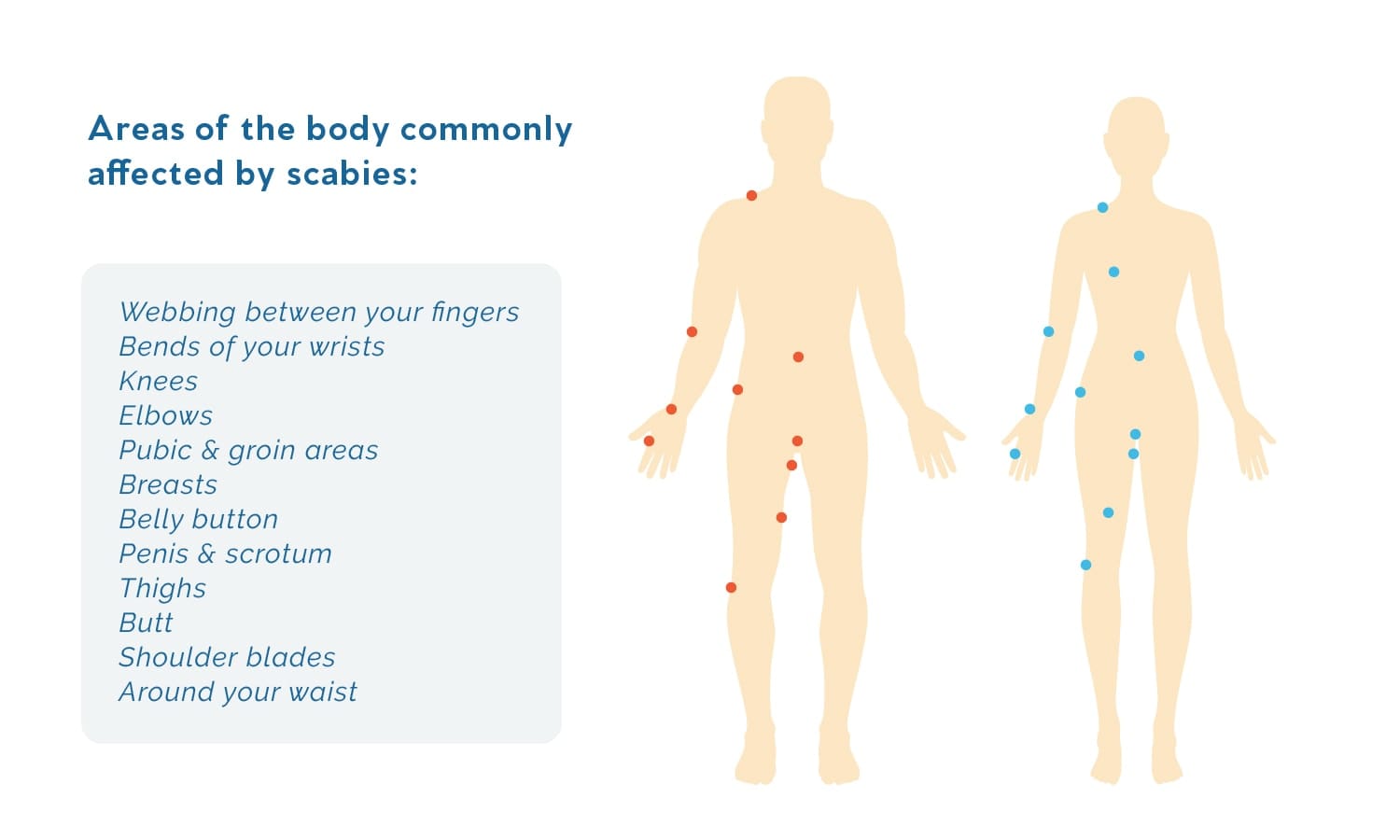
Credit: www.prioritystdtesting.com
Scabies Transmission Basics
Understanding how scabies spreads helps clear up common questions. Many wonder if scabies can be caught from toilet seats. The truth lies in knowing the basics of scabies transmission. This section explains the main ways scabies mites move from person to person. It also covers the role of skin contact and shared items.
How Scabies Spread
Scabies mites move mainly through close, prolonged skin contact. These tiny creatures cannot jump or fly. They crawl slowly from one person’s skin to another. The mites prefer warm, soft skin to live and lay eggs. They do not survive long away from human skin.
Touching surfaces like toilet seats rarely spreads scabies. Mites struggle to stay alive on hard, cold, or dry surfaces. They usually die within 48 to 72 hours without human skin. Brief contact with objects does not give mites enough time to transfer.
Role Of Skin-to-skin Contact
Direct skin contact is the most common cause of scabies transmission. This contact is often long and close, such as holding hands or hugging. Sexual contact is a frequent way scabies spreads among adults. Kids can get scabies through play or close contact with family.
Skin-to-skin contact lets mites move directly to a new host. They burrow into the upper skin layers to lay eggs. This causes intense itching and rash. Without close contact, the chance of spreading scabies drops sharply.
Risk From Shared Clothing And Bedding
Sharing clothes, towels, or bedding can sometimes spread scabies. Mites may cling to fabric for a short time. This risk increases if the items were recently used by an infected person. Washing clothes and bedding in hot water kills mites effectively.
Using clean, personal items lowers the chance of catching scabies. Avoid sharing towels, blankets, or clothing with others. This practice helps prevent mite transfer without skin contact. However, scabies does not spread through casual contact with objects.
Toilet Seat And Scabies Risk
Many people worry about catching scabies from toilet seats. The thought is common but not very accurate. Scabies mites need close contact with human skin to spread. Toilet seats are not a typical way to get scabies.
The risk from toilet seats is very low. Understanding why helps reduce fear and avoid unnecessary stress. Let’s explore the facts about scabies and toilet seats.
Why Toilet Seats Are Low Risk
Scabies mites cannot live long without human skin. They depend on skin for food and warmth. Toilet seats are hard, cold, and dry surfaces. These conditions do not support mite survival.
Mites do not cling well to smooth surfaces. They fall off easily when not on skin. Sitting on a toilet seat briefly is not enough to catch scabies.
Mite Survival On Hard Surfaces
Scabies mites survive only a short time away from skin. Usually less than 48 hours in ideal conditions. On hard surfaces, their life span is even shorter.
Dryness and temperature on a toilet seat kill mites quickly. They cannot move or burrow into the skin from there. This makes infection from a toilet seat highly unlikely.
Brief Contact And Infection Chances
Scabies spreads mostly through long skin-to-skin contact. Brief contact, like sitting for seconds, does not allow mites to transfer. The mites need time to move and find a host.
Touching or sitting quickly on a toilet seat does not give mites a chance to infect. Sharing bedding or clothes poses a higher risk than toilet seats. The chance of catching scabies this way is almost zero.
Common Myths About Scabies
Scabies causes many myths and misunderstandings. People often fear catching it in places that are actually safe. Clearing up these myths helps reduce unnecessary worry. It also guides you to focus on real prevention methods.
Scabies From Toilet Seats
Many believe scabies spreads from toilet seats. This idea is false. Scabies mites need human skin to survive. They cannot live long on hard surfaces. Sitting briefly on a toilet seat does not spread scabies. The mites die quickly without skin contact.
Pets And Scabies Transmission
Some think pets can pass scabies to humans. This is incorrect. Animals have different mites than humans. Animal mites do not survive on human skin. You cannot get human scabies from dogs or cats. Still, pets may have their own skin issues that need vets.
Scabies As A Sexually Transmitted Disease
Scabies often spreads through close skin contact. Sexual contact is a common way to get scabies. But scabies is not only a sexually transmitted disease. It can spread in families and crowded places too. Any prolonged skin-to-skin contact can transmit mites.
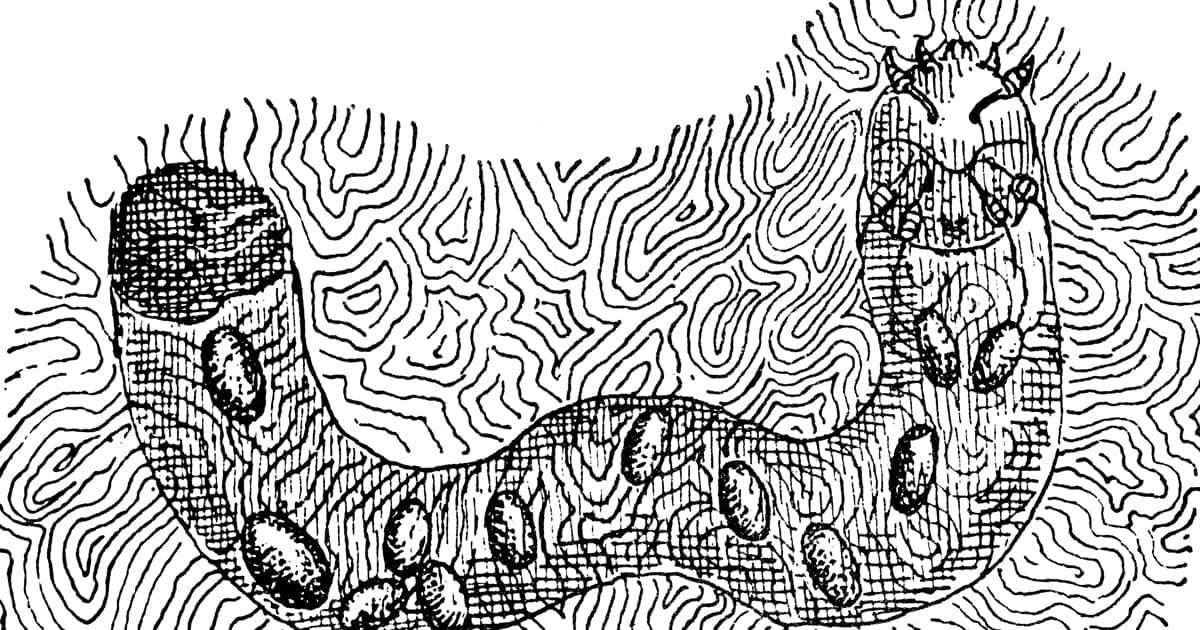
Credit: www.shimclinic.com
Confirmed Scabies Spread Methods
Scabies spreads mainly through close contact with an infected person. Understanding confirmed ways helps avoid myths. The scabies mite needs human skin to survive and multiply. It rarely lives long away from the body. Knowing how scabies spreads can reduce fear and stigma.
Below are the main confirmed methods of scabies transmission. Each method involves some level of contact with the mites. These facts help clarify common questions about scabies spread.
Direct Human Contact
Scabies spreads mostly through direct skin-to-skin contact. Prolonged touching allows mites to move from one person to another. This includes hugging, holding hands, and sexual contact. Casual or brief touches rarely spread scabies. Close contact with an infected person is the biggest risk.
Contaminated Bedding And Towels
Mites can survive for a short time on bedding and towels. Sharing these items with an infected person may cause transmission. Using infested sheets or towels transfers mites to healthy skin. Washing fabrics in hot water kills mites effectively. Avoid sharing towels or bedding during an outbreak.
Rare Cases Of Indirect Transmission
Scabies rarely spreads through indirect contact with objects. Mites do not survive well on hard surfaces. Transmission from furniture or toilet seats is extremely uncommon. Mites lose moisture and die within 48-72 hours off the skin. Extended contact with infested clothing or linens poses a small risk.
Preventing Scabies Effectively
Preventing scabies effectively starts with understanding how the mites spread. The main way to catch scabies is through direct skin contact with an infected person. Mites do not live long on surfaces like toilet seats. Taking simple steps can help stop the spread and protect you and your family.
Hygiene And Cleaning Tips
Wash your hands often with soap and water. Keep your skin clean and dry. Clean bedding, towels, and clothes in hot water to kill any mites. Vacuum carpets and furniture regularly. Disinfect shared surfaces, especially in bathrooms and bedrooms. These habits reduce the chance of scabies spreading.
Handling Shared Items Safely
Avoid sharing clothes, towels, or bedding with others. Use your own personal items whenever possible. If you must share, wash items thoroughly before use. Change and wash sheets and towels often. This lowers the risk of passing mites through fabrics.
When To Seek Medical Advice
See a doctor if you have intense itching or a rash. Early treatment stops scabies from spreading to others. Your doctor can prescribe medicine to kill the mites. Also, check if close contacts need treatment. Acting fast keeps scabies from becoming a bigger problem.
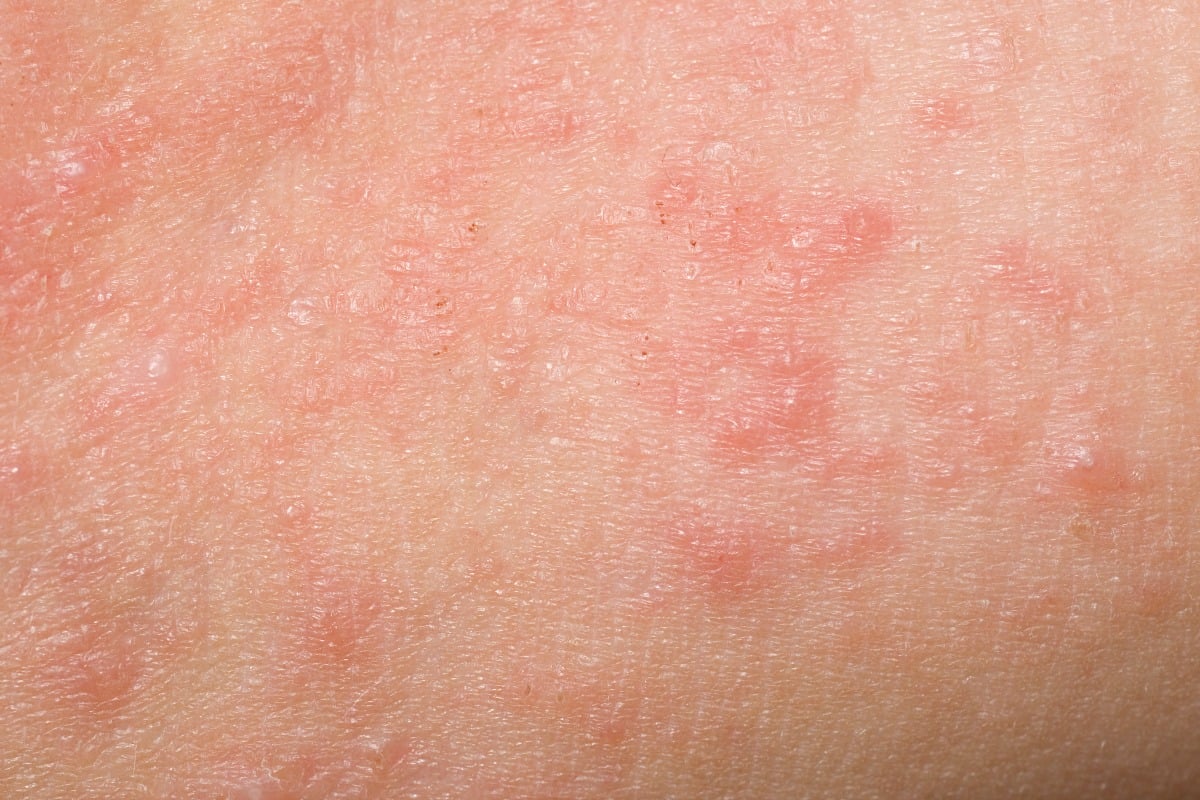
Credit: www.mamamia.com.au
Treatment And Management
Proper treatment and management are crucial to eliminate scabies and avoid spreading it to others. Effective care stops the mites from multiplying and reduces discomfort. It also helps prevent reinfestation and protects your close contacts. Understanding available treatments and how to manage symptoms supports faster recovery.
Available Medical Treatments
Doctors usually prescribe creams or lotions to kill scabies mites. Permethrin cream is the most common treatment. It should cover the whole body from neck to toes. Leave it on for 8 to 14 hours before washing off.
Other options include ivermectin pills for severe cases or when creams do not work. These medicines kill mites quickly and stop the infection. Always follow your doctor’s instructions carefully for best results.
Managing Symptoms
Itching can last for weeks after treatment. Use antihistamines or anti-itch creams to ease discomfort. Cool baths or wet compresses can calm irritated skin. Avoid scratching to prevent skin damage and infections.
Wear loose, comfortable clothes made from natural fibers. Keep your skin clean and dry to support healing. Monitor your skin for any signs of worsening or new rashes.
Preventing Reinfestation
Wash all clothes, bedding, and towels in hot water. Dry them on high heat to kill any remaining mites. Items that cannot be washed should be sealed in plastic bags for at least 72 hours.
Avoid close skin contact with others until treatment is complete. Inform household members and close contacts so they can check for symptoms. Clean and vacuum living areas regularly to remove loose skin flakes carrying mites.
Frequently Asked Questions
Can I Get Scabies From Sitting On Someone’s Couch?
You cannot get scabies from briefly sitting on someone’s couch. Scabies spreads mainly through prolonged skin-to-skin contact. Mites do not survive long on furniture or surfaces. Sharing bedding or clothing with an infected person poses a higher risk.
What Surfaces Do Scabies Live On?
Scabies mites live mainly on human skin, especially in folds and creases. They rarely survive on surfaces like furniture or bedding. Transmission usually requires prolonged skin-to-skin contact or sharing infested clothing and bedding. Hard, smooth surfaces like toilet seats do not harbor scabies mites effectively.
How Did I Suddenly Get Scabies?
You likely got scabies through close skin contact with an infected person. Sharing bedding or clothing also spreads mites. Scabies rarely transmits via surfaces like toilet seats.
Can You Get Scabies Without Human Contact?
Scabies spreads mainly through direct skin contact with an infected person. Transmission without human contact is extremely rare. Mites cannot survive long on surfaces like toilet seats or furniture. Sharing bedding or clothing poses a small risk, but prolonged skin contact remains the primary cause.
Can You Get Scabies From A Toilet Seat?
Scabies mites do not survive well on hard surfaces like toilet seats. Brief contact, such as sitting, is very unlikely to spread scabies. Mites need close, prolonged skin contact to move to a new host.
How Long Can Scabies Mites Live Off Skin?
Scabies mites live up to 48-72 hours off human skin. They quickly die without body warmth and moisture. This short survival time makes surface transmission rare.
What Surfaces Can Scabies Mites Survive On?
Scabies mites survive best on soft fabrics like bedding and clothes. Hard surfaces like toilet seats and chairs are poor environments. Mites need skin contact to spread effectively.
Can Scabies Spread Through Toilet Paper?
Scabies mites cannot survive on dry, rough surfaces like toilet paper. Transmission through toilet paper is extremely unlikely. Close skin contact remains the main way to catch scabies.
Is It Safe To Sit On Public Toilet Seats With Scabies?
Sitting briefly on a public toilet seat does not spread scabies. Mites do not cling to smooth, cold surfaces well. Avoiding direct skin contact with infected persons is more important.
How Does Scabies Usually Spread Between People?
Scabies spreads mainly through prolonged skin-to-skin contact. Sharing clothes, bedding, or towels with an infected person can also spread mites. Casual contact like handshakes rarely causes infection.
Conclusion
Scabies rarely spreads from toilet seats. The mites need direct skin contact to move. Hard surfaces like toilet seats do not support mite survival. Brief contact is not enough to catch scabies. Avoid sharing clothes or bedding with infected people.
Cleanliness helps reduce the risk of spreading mites. Knowing how scabies spreads helps you stay safe. If symptoms appear, seek medical advice promptly. Stay informed and protect yourself with simple precautions.


Leave a Reply