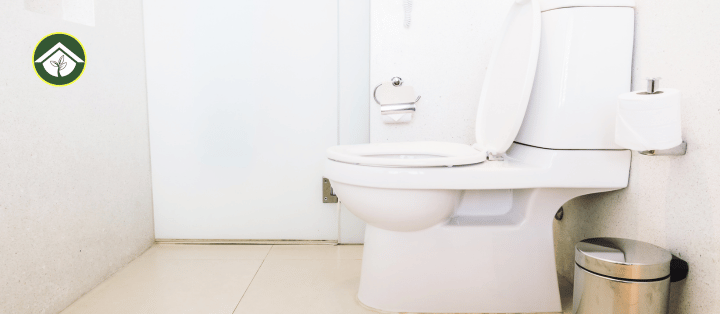
You might have heard warnings or felt uneasy about using public restrooms, wondering if something as simple as sitting on a toilet seat could give you herpes. It’s a common fear, but is there any truth to it?
If you’re worried about how herpes spreads and whether you’re really at risk from a toilet seat, this article will clear up the confusion. You’ll learn why the herpes virus can’t survive on toilet seats, what the real risks are, and how to protect yourself.
Keep reading to get the facts straight and put your mind at ease.
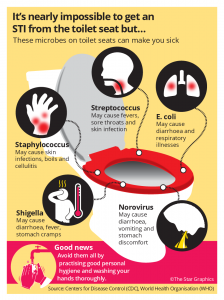
Credit: primanora.com
Herpes Survival Outside The Body
The herpes virus cannot survive long outside the body. It needs a warm, moist place to live and spread. Dry surfaces and air cause the virus to die quickly. Understanding how herpes behaves outside the body helps explain why catching it from toilet seats is nearly impossible.
Virus Fragility On Surfaces
Herpes virus is very fragile once outside the body. It loses strength on hard surfaces fast. The virus cannot stay alive on dry, cold, or rough surfaces. It needs skin or mucous membranes to survive and infect.
Effect Of Air And Dryness
Exposure to air and dryness kills the herpes virus quickly. It dries out the virus particles, making them inactive. Without moisture, the virus cannot infect anyone. This makes transmission from dry objects like toilet seats very unlikely.
Survival On Porcelain And Plastic
Porcelain and plastic toilet seats do not support herpes survival. The virus dies within minutes on these surfaces. No moisture or warmth exists to keep the virus alive. Cleaning and natural dryness prevent any risk of infection.
Toilet Seat Transmission Myths
Many people worry about catching herpes from toilet seats. This fear comes from common myths about how herpes spreads. Understanding these myths helps clear up confusion and reduces unnecessary fear.
Lack Of Documented Cases
No verified case shows herpes transmission from toilet seats. Doctors and researchers have not recorded any such incident. The virus does not survive well outside the human body.
Herpes needs a warm, moist environment to stay alive. Toilet seats are dry and cool, which quickly kills the virus. This makes transmission through toilet seats extremely unlikely.
Statements From Health Authorities
Health organizations like the CDC and Mayo Clinic confirm you cannot get herpes from toilet seats. They stress that herpes spreads through direct skin contact. Surfaces like toilet seats are not a source of infection.
These authorities aim to reduce stigma and spread accurate information. Their clear statements help people understand how to protect themselves properly.
Why Toilet Seats Are Low Risk
Herpes virus cannot live long on hard surfaces like plastic or porcelain. The virus dries out and dies quickly once exposed to air. Toilet seats are not a place where the virus can survive or spread.
Also, urine and feces do not carry the herpes virus. Contact with these substances on a toilet seat does not cause infection. The chance of catching herpes from a toilet seat is near zero.
How Herpes Actually Spreads
Understanding how herpes spreads clears up many common worries. Herpes is a virus that needs close contact to move from one person to another. It does not survive well outside the body, making casual contact very low risk. Knowing the main ways herpes spreads helps explain why catching it from a toilet seat is nearly impossible.
Skin-to-skin Contact
Herpes spreads mainly through direct skin-to-skin contact. The virus lives on the skin or mucous membranes of an infected person. Touching these areas can pass the virus to another person. This contact often happens during kissing or sexual activities. The virus cannot penetrate intact skin, so contact must involve areas where the skin is thin or broken.
Transmission Without Visible Sores
Herpes can spread even if no sores are present. The virus can be active on the skin without any symptoms. This is called asymptomatic shedding. People may unknowingly pass the virus during this time. It is why herpes can spread even when someone looks healthy.
Role Of Body Fluids
Body fluids like saliva and genital secretions can carry the herpes virus. These fluids can infect another person through mucous membranes or broken skin. However, herpes does not spread through urine or feces. Fluids on surfaces, such as toilet seats, dry quickly and lose the virus’s ability to infect. This drying process stops herpes from spreading through inanimate objects.
Credit: www.prioritystdtesting.com
Common Misconceptions About Herpes
Many people misunderstand how herpes spreads. These misconceptions cause unnecessary fear. Herpes is a virus that needs direct skin contact to spread. It cannot survive long outside the body. Common myths include catching herpes from objects or surfaces. This section clears up these false ideas.
Sharing Towels And Bath Items
People worry about sharing towels or bath items. The herpes virus does not live well on fabric. Towels dry quickly, making the virus inactive. Sharing towels rarely causes herpes infection. The virus needs fresh, moist skin to spread. Using your own towel is best for hygiene.
Wiping And Herpes Risk
Some wonder if wiping after using the bathroom can spread herpes. The virus does not live in urine or feces. Wiping with toilet paper or tissue does not pass the virus. Herpes spreads through skin contact, not bathroom habits. Good hand hygiene reduces all infection risks.
Public Facilities And Infection Chances
Public restrooms cause fear of catching herpes. The virus cannot survive long on toilet seats or surfaces. Dry, hard surfaces kill the virus quickly. There are no cases of herpes spreading from toilet seats. Cleaning public toilets lowers any risk even more.
Preventing Herpes Transmission
Preventing herpes transmission starts with understanding how the virus spreads. Herpes passes mainly through direct skin contact. This includes kissing and sexual activities. It cannot survive long on surfaces like toilet seats. Taking steps to protect yourself helps reduce the chance of infection. Awareness and care keep you safer.
Safe Sexual Practices
Use condoms or dental dams during sexual activity. These barriers lower the risk of herpes and other infections. Avoid sexual contact if you or your partner has visible sores. Communicate openly about sexual health with partners. Limit the number of sexual partners to reduce exposure. Regular testing helps catch infections early.
Recognizing Symptoms Early
Herpes symptoms include blisters, sores, and itching. Sometimes symptoms are mild or go unnoticed. Early recognition leads to faster treatment and less spread. Watch for pain or tingling in the genital or mouth area. Seek advice if you notice unusual symptoms. Early care improves health outcomes.
Consulting Healthcare Providers
Talk to a healthcare provider for testing and advice. They can confirm if you have herpes. Providers offer treatment to manage symptoms and outbreaks. They also give guidance on preventing transmission. Regular check-ups support sexual health and reduce risks. Do not hesitate to ask questions or share concerns.
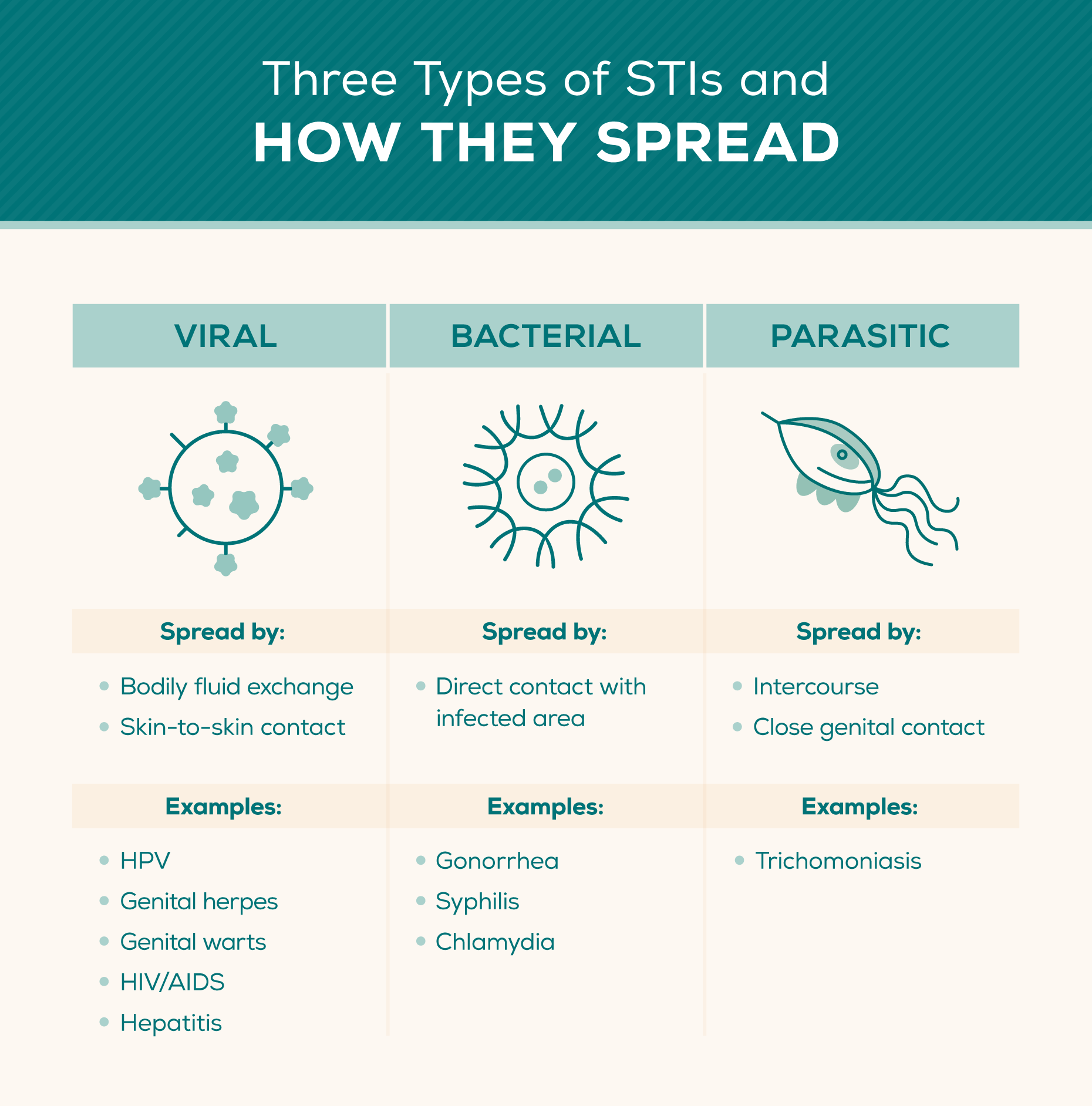
Credit: www.everlywell.com
Scientific Evidence And Health Guidelines
Scientific evidence and health guidelines clearly show that herpes transmission from toilet seats is extremely unlikely. Herpes simplex virus (HSV) needs direct skin contact to spread. The virus cannot survive long on dry surfaces like toilet seats. Health experts worldwide agree on this fact to reduce unnecessary fears.
This section reviews key recommendations from leading health authorities. Their insights help clarify common myths and provide trusted information.
Cdc Recommendations
The Centers for Disease Control and Prevention (CDC) state that herpes spreads through direct skin contact. They emphasize that HSV cannot live long on inanimate objects. Toilet seats do not provide a suitable environment for the virus. The CDC confirms there are no cases of herpes caused by toilet seats. It is safe to say the risk is virtually zero.
Mayo Clinic Insights
The Mayo Clinic explains that herpes is a sexually transmitted infection. The virus spreads mainly through intimate contact with an infected person. The clinic highlights that urine and feces do not carry HSV. Surfaces like toilet seats dry quickly and kill the virus. Mayo Clinic reassures people that toilet seats do not transmit herpes.
World Health Organization Position
The World Health Organization (WHO) supports the view that herpes requires close skin contact. They point out that HSV cannot survive outside the body for long. The WHO advises that normal hygiene practices prevent any risk. Their guidelines show no evidence linking toilet seats to herpes transmission. This helps reduce stigma and false concerns.
Frequently Asked Questions On Can You Get Herpes from a Toilet Seat
How Long Can Herpes Virus Live On A Toilet Seat?
Herpes virus survives only minutes on toilet seats due to dryness and lack of warmth. Transmission from seats is virtually impossible.
What Surfaces Can Herpes Live On?
Herpes virus survives briefly on hard, dry surfaces like plastic or metal. It needs warm, moist skin or mucous membranes to infect.
Can You Spread Herpes From Wiping?
Herpes spreads through direct skin-to-skin contact, not by wiping. The virus cannot survive on dry surfaces like toilet paper.
What Are The First Signs Of Herpes?
The first signs of herpes include itching, burning, or tingling around the affected area. Small, painful blisters or sores then appear. Flu-like symptoms such as fever and swollen glands may also occur. Symptoms usually show within 2 to 12 days after exposure to the virus.
Can Herpes Be Transmitted Through Toilet Seats?
Herpes cannot be transmitted through toilet seats. The virus dies quickly outside the body. Infection requires direct skin-to-skin contact.
How Long Does Herpes Virus Survive On Surfaces?
Herpes virus survives only a few minutes on dry surfaces. It needs moisture and warmth to stay active. Toilet seats are too dry for it to live.
Can Wiping Spread Herpes From A Toilet Seat?
Wiping cannot spread herpes from a toilet seat. Herpes spreads through direct contact with infected skin. Toilet seats are not a source of infection.
What Are The Common Ways Herpes Spreads?
Herpes spreads through kissing, oral, vaginal, or anal sex. Skin-to-skin contact with an infected area causes transmission. Invisible sores can still spread the virus.
Are There Any Reported Cases Of Herpes From Toilet Seats?
No cases of herpes from toilet seats have ever been reported. Health experts confirm infection this way is virtually impossible. The virus cannot survive on toilet surfaces.
Can You Get Genital Herpes Without Visible Sores?
Yes, genital herpes can spread without visible sores. The virus can be active even when symptoms are absent. This makes direct contact risky.
Conclusion
Getting herpes from a toilet seat is extremely unlikely. The virus dies quickly on hard, dry surfaces. Herpes spreads mainly through direct skin contact during intimate activities. No proven cases show transmission from toilet seats. Staying informed helps reduce unnecessary fears.
Always practice safe and healthy habits for protection. If concerned, consult a healthcare professional for advice. Understanding facts prevents myths and promotes peace of mind.


Leave a Reply