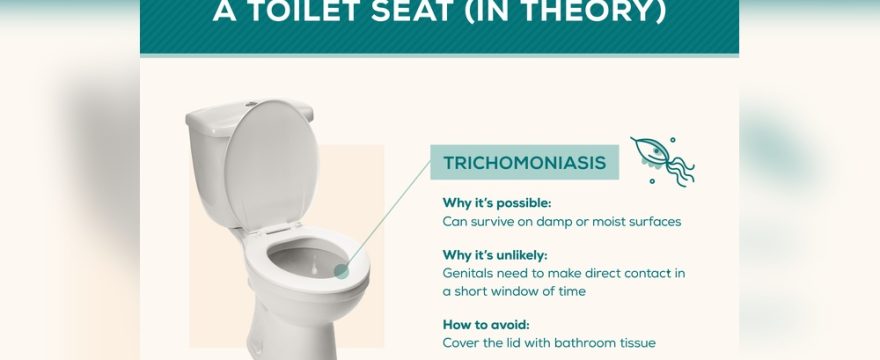
You might have wondered: can you get hepatitis from toilet seats? It’s a common concern, especially when using public restrooms.
The idea of catching a serious infection just by sitting down on a toilet seat sounds scary. But what does the science say? Are you really at risk, or is this just a myth that causes unnecessary worry? You’ll discover the truth about hepatitis transmission, how germs actually spread, and the simple steps you can take to protect yourself.
Keep reading to clear up the confusion and feel confident the next time you use a restroom.
Credit: www.healthline.com
Hepatitis Types And Transmission
Hepatitis is a disease that affects the liver. It has several types, each spreading in different ways. Understanding how hepatitis spreads helps clear up common fears. One question many ask is about catching hepatitis from toilet seats. Knowing the types and their transmission routes can provide clear answers.
This section explains the main types of hepatitis and how they spread. It also highlights behaviors and groups with higher risks. This knowledge helps protect yourself and others.
Hepatitis A, B, And C Differences
Hepatitis A spreads mainly through contaminated food or water. It often causes short-term illness but usually clears on its own. Hepatitis B and C spread through blood and body fluids. These can cause long-term liver problems. Hepatitis B can also spread through sexual contact. Hepatitis C mainly spreads through sharing needles.
Common Transmission Routes
Hepatitis A enters the body through the mouth from contaminated hands or food. Hepatitis B spreads through contact with infected blood, semen, or other fluids. Hepatitis C spreads mostly by blood contact. Sharing needles, unsterile medical tools, or from mother to baby are key routes. Toilet seats do not carry hepatitis viruses.
High-risk Behaviors And Groups
People who inject drugs have a higher risk of hepatitis B and C. Healthcare workers face exposure to infected blood. Babies born to infected mothers can catch hepatitis B. Unprotected sex increases hepatitis B risk. Poor hygiene and crowded living conditions raise hepatitis A risk. Toilet seats do not pose a risk for hepatitis infection.

Credit: www.hep.org.au
Survival Of Viruses On Surfaces
Many people worry about catching hepatitis from public toilet seats. This fear can cause unnecessary stress. Hepatitis is a serious liver infection caused by viruses like A, B, and C. These viruses spread mainly through blood or bodily fluids. The chance of getting hepatitis from a toilet seat is very low. Understanding why helps ease concerns and prevent myths.
Why Toilet Seats Are Low Risk
Hepatitis viruses do not survive long on hard surfaces. Toilet seats are dry and cool, which reduces virus survival. Hepatitis B and C spread through direct blood contact, not casual touch. Hepatitis A spreads through contaminated food or water, not toilet seats. Skin contact with a toilet seat does not allow virus entry. No cuts or open wounds means no risk.
Myths About Toilet Seat Transmission
Many believe toilet seats can spread hepatitis. This is false. Hepatitis is not a skin-to-surface infection. It does not pass through casual contact or sitting. Sharing towels or underclothes poses a higher risk than toilet seats. Fear causes people to avoid public restrooms unnecessarily. Clear facts help stop these common myths.
Scientific Evidence And Studies
Research shows no cases of hepatitis from toilet seats. Health experts confirm the risk is almost zero. Studies prove viruses die quickly outside the body. The Centers for Disease Control and Prevention (CDC) states no transmission from toilet seats. Scientific data supports safe use of public toilets without fear of hepatitis.
Toilet Seats And Hepatitis Risk
Toilet seats often raise concerns about germs and infections. While hepatitis is not spread through toilet seats, other infections can still be present. Understanding these risks helps keep you safe in public restrooms.
Common Germs Found In Restrooms
Restrooms can contain many types of germs. These include bacteria, viruses, and fungi. Germs come from skin, urine, feces, and other body fluids. Some common germs include E. coli, Staphylococcus, and Salmonella. These can cause stomach infections, skin rashes, and other illnesses.
Bacterial And Viral Risks
Bacteria like E. coli and Salmonella can survive on toilet seats for hours. Viruses such as norovirus and cold viruses also linger. These germs spread through contact with contaminated surfaces. Touching a dirty seat then touching your face can cause infection. Though risk is low, it is not zero.
Preventing Bathroom-related Illnesses
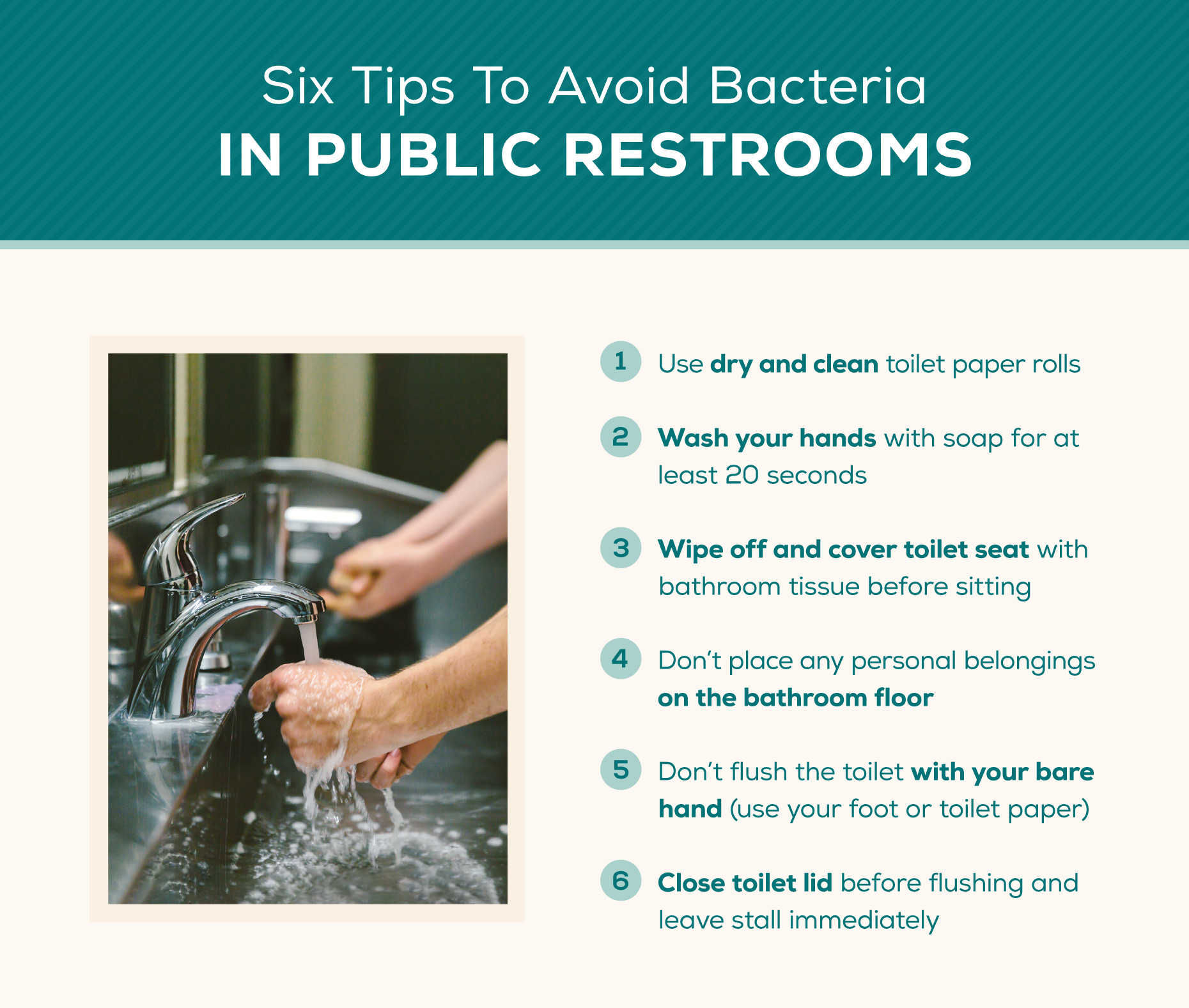
Always wash hands with soap and water after using restrooms. Use hand sanitizer if soap is unavailable. Avoid touching your face before cleaning your hands. Use disposable toilet seat covers or toilet paper on the seat if possible. Clean small cuts or scrapes on your skin before using public restrooms. These steps reduce your chance of getting sick.
Credit: www.everlywell.com
Other Infections From Toilet Seats
Many people worry about catching hepatitis from toilet seats. This section answers common questions about hepatitis and toilet seats. It explains how hepatitis spreads and clears up myths. The goal is to give clear, simple facts for peace of mind.
Can Hepatitis B Or C Spread This Way?
Hepatitis B and C do not spread through toilet seats. These viruses need direct contact with infected blood or body fluids. Sitting on a toilet seat cannot pass the infection. Casual contact like touching a seat or door handle is safe. The risk of catching Hepatitis B or C this way is virtually zero.
What About Hepatitis A?
Hepatitis A spreads through contact with fecal matter, often by eating or drinking contaminated food or water. It does not spread by sitting on a toilet seat. Washing hands well after using the bathroom helps prevent hepatitis A. Clean toilets reduce any chance of germs spreading.
Addressing Common Concerns
Toilet seats can have germs, but hepatitis viruses do not survive well on surfaces. The main risk comes from poor hand hygiene, not the seat itself. Always wash hands with soap after bathroom use. This simple step stops most infections, including hepatitis. Fear of catching hepatitis from toilet seats is not supported by science.
Frequently Asked Questions
Can You Get Hep B From A Dirty Toilet Seat?
You cannot get Hepatitis B from a dirty toilet seat. The virus spreads through blood and bodily fluids, not casual contact.
What Can Be Transmitted From A Toilet Seat?
Toilet seats can carry bacteria like E. coli and viruses such as hepatitis A. Transmission risk is very low. Always wash hands after use.
What Is The Most Common Way To Get Hepatitis?
The most common way to get hepatitis is through contact with infected blood or bodily fluids. Sexual contact and sharing needles also spread it.
How Long Do Viruses Live On Toilet Seats?
Viruses can survive on toilet seats from a few minutes up to several hours. Cleaning and handwashing reduce infection risks effectively.
Can You Get Hepatitis From Sitting On Toilet Seats?
Hepatitis cannot be caught from toilet seats. The virus spreads mainly through blood or body fluids, not casual contact.
What Are Common Ways Hepatitis Spreads Between People?
Hepatitis spreads mostly via blood transfusions, sharing needles, or sexual contact. Touching surfaces like toilet seats does not transmit it.
Can Hepatitis Viruses Survive On Toilet Seats?
Hepatitis viruses survive only briefly outside the body. Toilet seats are generally dry, making virus survival unlikely.
Is Hepatitis B Transmitted Through Casual Contact?
No, hepatitis B is not spread through casual touch or toilet seats. It requires direct contact with infected blood or fluids.
Can Public Restrooms Spread Hepatitis Infections?
Public restrooms can hold germs but rarely spread hepatitis. Proper handwashing after restroom use is the best protection.
How Long Do Hepatitis Viruses Live On Surfaces?
Hepatitis B and C viruses survive outside the body for a few hours to days. They need direct blood contact to infect.
Conclusion
Hepatitis cannot be caught from toilet seats. The virus spreads through blood and body fluids, not casual contact. Sitting on a toilet seat poses almost no risk. Germs do exist in restrooms, so washing hands is important. Clean hands help prevent many infections, including hepatitis.
Stay informed by checking trusted health sources regularly. Understanding facts reduces unnecessary fear and keeps you safe. Simple hygiene habits protect you and others every day.


Leave a Reply