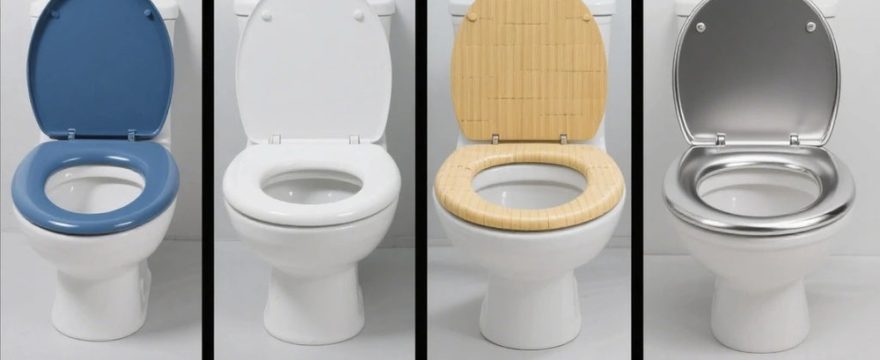
Have you ever stopped to think about what your toilet seat is actually made of? It might seem like a small detail, but the material of your toilet seat can affect your comfort, hygiene, and even the look of your bathroom.
Whether you’re upgrading your bathroom or just curious, understanding the different materials can help you make the best choice for your home. From durable plastics to warm wood finishes, each option has its own benefits and drawbacks. Keep reading, and you’ll discover everything you need to know about toilet seat materials—so you can pick the perfect one for your needs.
Credit: www.toiletseats.com
Common Toilet Seat Materials
Toilet seats come in different materials. Each type offers unique benefits. Knowing common materials helps in choosing the right seat for your bathroom.
These materials vary in durability, comfort, and style. Some are easy to clean, while others provide a warmer touch. Here are the most common toilet seat materials you will find.
Plastic Seats
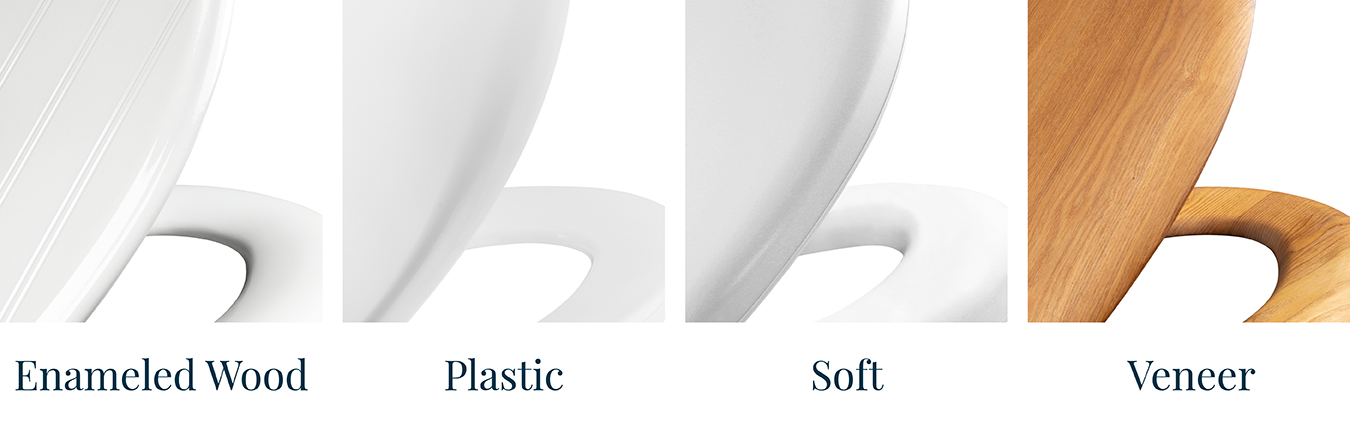
Plastic seats are the most common type. They are lightweight and very durable. Made from polypropylene or other plastics, they resist chipping and cracking. These seats come in many colors to match your bathroom decor. They clean easily and do not absorb moisture. One downside is they can feel cold, especially in winter.
Wood And Enameled Wood
Wood seats offer a warm, natural feel. Enameled wood seats are coated with a glossy finish. This enamel protects the wood and gives a smooth surface. They look stylish and fit classic bathrooms well. These seats can chip or crack if hit hard. Moisture can damage the wood if the enamel breaks. They need gentle cleaning to keep the finish safe.
Ceramic And Porcelain
Ceramic and porcelain seats are strong and sanitary. They add a high-end look to any bathroom. These materials resist stains and odors well. They feel cool and hard under the skin. They can chip or crack if dropped or hit forcefully. Ceramic and porcelain seats are often more expensive than others.
Cushioned Vinyl
Cushioned vinyl seats have a soft layer for comfort. They usually cover a wood or plastic base. These seats feel warm and gentle on the skin. Over time, the vinyl can crack or tear. They need more care to keep looking good. This type suits those who want extra comfort while using the toilet.
Advantages And Disadvantages
Toilet seats come in different materials, each with its own benefits and drawbacks. Understanding these advantages and disadvantages helps you pick the right seat for your bathroom. The main factors to consider include durability, comfort, and hygiene. Each material offers a unique balance of these qualities.
Durability And Maintenance
Plastic toilet seats are strong and resist cracking. They handle frequent cleaning well and do not absorb moisture. Wood seats look nice but can chip or warp if exposed to water. Enamel-coated wood needs gentle cleaners to avoid damage. Ceramic seats last long but can break if hit hard. Cushioned vinyl seats wear out faster and may tear over time.
Comfort And Aesthetics
Wood seats tend to feel warmer than plastic in cold weather. Cushioned seats offer extra softness for comfort. Plastic seats come in many colors and styles, fitting most bathroom designs. Ceramic seats provide a sleek, elegant look but feel cold. Vinyl cushions add comfort but may look worn as they age.
Hygiene And Cleaning
Plastic seats are non-porous, making them easy to clean and less likely to harbor germs. Polypropylene is especially resistant to bacteria. Wood seats can absorb moisture if the finish cracks, causing hygiene issues. Enamel-coated wood needs mild cleaning products to protect the surface. Ceramic seats are smooth and easy to disinfect but may chip and trap dirt. Cushioned vinyl can collect dirt in cracks and is harder to clean well.
Specialty Materials
Specialty materials in toilet seats offer unique benefits beyond standard plastic or wood. These materials focus on durability, sustainability, and style. They fit well in commercial spaces, eco-conscious homes, or modern bathrooms. Each specialty material brings distinct qualities that serve different needs and preferences.
Stainless Steel Seats
Stainless steel toilet seats are known for their strength and durability. They resist rust, stains, and damage from heavy use. These seats suit public restrooms or industrial settings best. The metal surface is easy to clean and maintain. Stainless steel seats also add a sleek, modern look to bathrooms.
Bamboo And Eco-friendly Options
Bamboo seats provide a natural, warm appearance with sustainability in mind. Bamboo grows quickly, making it a renewable resource. These seats are lightweight yet strong. They resist moisture and bacteria better than traditional wood. Eco-friendly seats often use non-toxic finishes to protect the environment and users.
Post-consumer Recycled Materials
Seats made from post-consumer recycled materials reduce waste and conserve resources. These seats use plastics reclaimed from previous products. They offer durability similar to new plastic seats. Recycling helps lower the overall environmental impact of manufacturing. Many brands now promote recycled seats as a green bathroom choice.
Credit: www.thepinnaclelist.com
Material Performance Comparison
Toilet seats come in various materials, each with unique qualities. Comparing how these materials perform helps you choose the best one. Key factors include durability, moisture resistance, and comfort. Understanding these can save money and improve your bathroom experience.
Resistance To Wear And Tear
Plastic toilet seats resist scratches and dents well. They hold up to daily use without losing shape. Wood seats can chip or crack over time. Enamel-coated wood resists wear but may peel or swell if damaged. Ceramic seats are very hard but can chip from strong impacts. Vinyl cushions wear out faster, showing cracks and tears with time.
Moisture And Stain Resistance
Plastic seats are non-porous and resist moisture easily. They also clean well without staining. Wood seats absorb water if their coating cracks, causing damage. Enamel coatings protect wood but can stain if cleaned with harsh chemicals. Ceramic seats resist water and stains but need careful handling to avoid chips. Vinyl cushions can trap moisture, leading to mold or stains.
Temperature And Comfort
Plastic seats often feel cold, especially in winter. Wood seats stay warmer and feel more natural. Enamel-coated wood can feel cold like plastic. Ceramic seats are coldest and hardest, which some find uncomfortable. Cushioned vinyl seats offer the most comfort with soft padding. Comfort can affect your bathroom satisfaction daily.
Choosing The Right Material
Choosing the right material for a toilet seat affects comfort, durability, and style. Each material has unique qualities that suit different needs and budgets. Understanding these differences helps you pick the best option for your bathroom.
Budget Considerations
Plastic seats usually cost less and last long. They resist stains and are easy to clean. Wood seats cost more but feel warmer and stronger. Cushioned seats provide comfort but wear out faster. Ceramic seats are durable but expensive. Choose a material that fits your budget and lasts well.
Bathroom Style And Decor
Wood seats fit classic or rustic bathrooms well. Plastic seats come in many colors to match modern decor. Ceramic seats add a luxurious look to upscale bathrooms. Cushioned seats offer a softer touch for comfort. Match the seat material to your bathroom’s style for a polished look.
Health And Environmental Factors
Plastic seats resist bacteria and are easy to disinfect. Wood seats need gentle cleaners to avoid damage. Some plastic seats are made from recycled materials, helping the environment. Vinyl cushions can trap moisture, which may cause germs. Choose materials that keep your bathroom clean and eco-friendly.
Installation And Replacement Tips
Installing or replacing a toilet seat is a simple task that anyone can do. It improves comfort and hygiene quickly. The right tips make the process faster and easier. Follow clear steps to ensure the seat fits well and lasts long.
Measuring For The Perfect Fit
Start by measuring your toilet bowl carefully. Measure the length from the front to the bolts at the back. Next, measure the width across the widest point. Also, check the distance between the bolt holes.
Use these numbers to choose a seat that matches your toilet. A good fit prevents wobbling and discomfort. Measure twice to avoid mistakes and save time.
Tools And Techniques
Gather basic tools before starting. You will need a screwdriver, an adjustable wrench, and possibly pliers. These tools help remove old bolts and secure new ones.
Loosen the nuts under the bowl by turning counterclockwise. Lift off the old seat carefully. Place the new seat aligning the holes with bolts. Tighten nuts firmly but avoid overtightening to prevent damage.
Maintaining Your Toilet Seat
Clean your toilet seat regularly with mild soap and water. Avoid harsh chemicals that can damage the material. Wipe dry to prevent moisture buildup and stains.
Check bolts every few months. Tighten them if the seat feels loose. This keeps the seat stable and safe. Replace the seat if cracks or wear appear to maintain hygiene and comfort.
Credit: www.behance.net
Frequently Asked Questions
Are All Toilet Seats Plastic Now?
Not all toilet seats are plastic. Common materials include plastic, wood, enameled wood, ceramic, and cushioned vinyl. Plastic remains the most popular due to durability and hygiene.
How Do I Know If My Toilet Is Ceramic Or Porcelain?
Ceramic and porcelain toilets look similar but differ in density and finish. Porcelain is denser, smoother, and less porous than ceramic. Check the label or manufacturer specs for exact material. Porcelain resists stains and chips better, while ceramic feels rougher and more porous.
Which Is Better, Plastic Or Polypropylene Toilet Seat?
Polypropylene toilet seats resist bacteria and frequent cleaning better than generic plastic. Both are durable, but polypropylene offers enhanced hygiene and durability.
Are Toilet Seats Plastic Or Porcelain?
Toilet seats are mostly made from plastic or wood with enamel coating. Porcelain seats exist but are rare and expensive.
What Materials Are Toilet Seats Commonly Made From?
Toilet seats are mostly made from plastic or wood. Other materials include ceramic, vinyl, and stainless steel. Each has different benefits and costs.
Are Plastic Toilet Seats More Durable Than Wood?
Plastic seats are lightweight and resist chipping well. Wood seats can crack and swell if moisture gets in. Plastic is often easier to clean.
What Is A Polypropylene Toilet Seat?
Polypropylene is a type of plastic used for toilet seats. It resists bacteria and holds up well to cleaning. It is a popular, hygienic choice.
Can Toilet Seats Be Made From Ceramic Or Porcelain?
Yes, some toilet seats are made from ceramic or porcelain. They are sturdy and look nice but can chip if dropped. These are usually more expensive.
What Are The Benefits Of Cushioned Vinyl Toilet Seats?
Cushioned vinyl seats have a soft padded surface over wood or plastic. They offer comfort but may crack or tear over time. They need gentle care.
Are Wooden Toilet Seats Coated With Enamel?
Many wooden seats have a wood core coated with high-gloss enamel. This coating protects the wood but can chip or stain. Harsh cleaners can damage the enamel.
Conclusion
Toilet seats come in many materials, each with its own benefits. Plastic seats are common, lightweight, and easy to clean. Wood seats offer warmth and style but need gentle care. Ceramic seats look nice and last long but can chip.
Cushioned vinyl seats add comfort but may wear out faster. Choosing the right material depends on your needs and preferences. Knowing these options helps you pick the best toilet seat for your bathroom. Simple choices make a big difference in comfort and durability.


Leave a Reply