You know the feeling when you lift the toilet seat and spot those unwelcome yellow stains or catch an unpleasant smell? It’s frustrating, embarrassing, and honestly, a common problem in many homes and public restrooms.
If you’ve ever wondered why urine ends up on the toilet seat, how it affects cleanliness, or what you can do to stop it, you’re in the right place. You’ll discover simple yet effective ways to prevent and clean urine stains, protect your bathroom from lingering odors, and keep your toilet seat fresh and hygienic for everyone.
Let’s tackle this messy issue together—because your comfort and health matter.
Credit: www.mrrooter.com
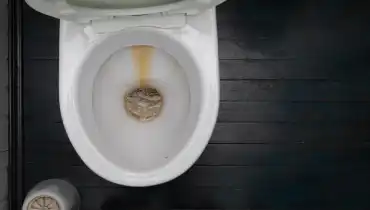
Causes Of Urine On Toilet Seats
Urine on toilet seats is a frequent issue in homes and public restrooms. It raises hygiene concerns and creates unpleasant odors. Understanding what causes urine spills helps reduce this problem. Several habits and factors contribute to urine landing on toilet seats. The materials used for toilet seats also affect how urine stains and smells develop. Gender differences in restroom habits influence the likelihood of spills. Examining these causes provides insight into keeping toilet seats cleaner and fresher.
Common Habits Leading To Spills
Many people stand while urinating, which often causes urine to miss the bowl. Quick or careless use of the toilet increases the chance of spills. Not aiming carefully or rushing can result in splashes on the seat. Some users leave urine drops behind by not wiping or cleaning the seat. Poor bathroom lighting can also make aiming difficult. These habits contribute largely to urine stains on toilet seats.
Material Absorption And Staining
Toilet seats are made from plastic, wood, or other materials. Some materials absorb urine, making stains harder to remove. Plastic seats tend to hold urine odors if not cleaned well. Wood seats can soak up moisture and develop yellow stains. Over time, urine minerals react with seat surfaces, causing discoloration. Porous materials trap bacteria, increasing unpleasant smells. Proper cleaning and choosing non-absorbent materials help prevent these issues.
Gender Differences In Usage
Men often stand to urinate, which raises the risk of urine on seats. Women usually sit down, reducing splashes outside the bowl. However, women may still leave drops on the seat after use. Men’s urination posture and accuracy vary, affecting cleanliness. Public restrooms see more spills due to mixed user habits. Understanding these differences aids in designing better restroom hygiene practices.
Credit: www.amazon.com
Health Concerns And Hygiene
Urine on the toilet seat raises important health and hygiene questions. Many worry about germs and infections. Understanding these concerns helps maintain a clean bathroom and reduces risks.
This section explains bacteria dangers, infection chances, and common myths about urine on toilet seats. Clear facts guide better bathroom habits.
Bacteria And Infection Risks
Urine itself is usually sterile but can carry bacteria if infection exists. Bacteria from urine may survive on toilet seats for a short time. The moist environment on some seats can help bacteria grow.
Touching urine on a toilet seat and then touching your face or food may spread germs. Proper cleaning reduces bacteria and lowers infection chances. Regular disinfecting keeps toilet seats safe and fresh.
Urinary Tract Infections And Skin Irritations
Urinary tract infections (UTIs) mainly come from bacteria entering the urinary tract. Sitting on a clean toilet seat poses very low risk. Most UTIs start from bacteria inside the body, not from seats.
Skin irritations can occur if urine contacts sensitive skin for long periods. Wiping off any urine after use prevents irritation. Personal hygiene protects skin health in the bathroom.
Misconceptions About Germ Transmission
Many believe toilet seats spread serious diseases easily. This idea is mostly false. Toilet seats are less risky than hands or mobile phones.
Germs need a way to enter the body, such as cuts or mucous membranes. Brief contact with urine on a seat rarely causes illness. Good handwashing after bathroom use is the best protection.
Preventive Measures
Preventing urine on the toilet seat keeps bathrooms clean and fresh. It helps avoid bad smells and stops germs from spreading. Small actions by every user make a big difference. These simple steps can keep the toilet seat dry and hygienic.
Encouraging Proper Sitting Habits
Always encourage sitting down when using the toilet. Standing can cause urine to splash outside the bowl. This leads to stains and unpleasant odors on the seat. Teaching children and guests to sit reduces mess and keeps the bathroom cleaner. Clear signs or gentle reminders work well in shared spaces.
Using Toilet Seat Splash Guards
Toilet seat splash guards act as barriers to catch urine drops. They are easy to install and cost-effective. Splash guards protect the seat and surrounding area from spills. Many models fit standard toilets and clean easily. Using them helps maintain a neat bathroom and cuts down cleaning time.
Effective Bathroom Etiquette Tips
Good bathroom manners help prevent urine on the seat. Wiping the seat after use removes any small drips. Flushing properly and washing hands keeps the space hygienic. Reminding users to check the seat before leaving makes a big difference. Respect for shared bathrooms leads to a cleaner environment for all.
Cleaning Techniques
Cleaning urine from a toilet seat keeps the bathroom fresh and hygienic. Proper cleaning techniques remove stains, odors, and germs. Simple steps done regularly can make a big difference. Here are easy methods to keep your toilet seat spotless.
Daily Wiping And Disinfecting
Use a clean cloth or paper towel to wipe the seat every day. Focus on areas that touch skin and the hinges. Apply a disinfectant spray or wipe to kill germs. Let the surface air dry for best results. This routine prevents build-up and keeps the seat sanitary.
Removing Stains And Mineral Deposits
Urine can leave yellow stains and mineral deposits on the seat. Use a mild bathroom cleaner or vinegar to break down deposits. Apply the cleaner and let it sit for a few minutes. Scrub gently with a soft brush or sponge. Rinse well with water to remove residue. Repeat if stains remain for a clear, clean surface.
Safe Use Of Cleaning Products
Choose cleaning products that are safe for toilet seats and skin. Avoid harsh chemicals that can damage plastic or wood finishes. Read labels for instructions and warnings carefully. Use gloves to protect your hands during cleaning. Store products out of reach of children and pets. Proper use keeps both your bathroom and family safe.
Innovative Products
Urine on the toilet seat is a frequent issue that many face. It causes discomfort and hygiene worries. Innovative products help keep toilet seats cleaner. These tools reduce mess and make bathroom use more pleasant. They are designed for easy use and effective results. Below are some popular and helpful products for this problem.
Urine Deflectors And Guards
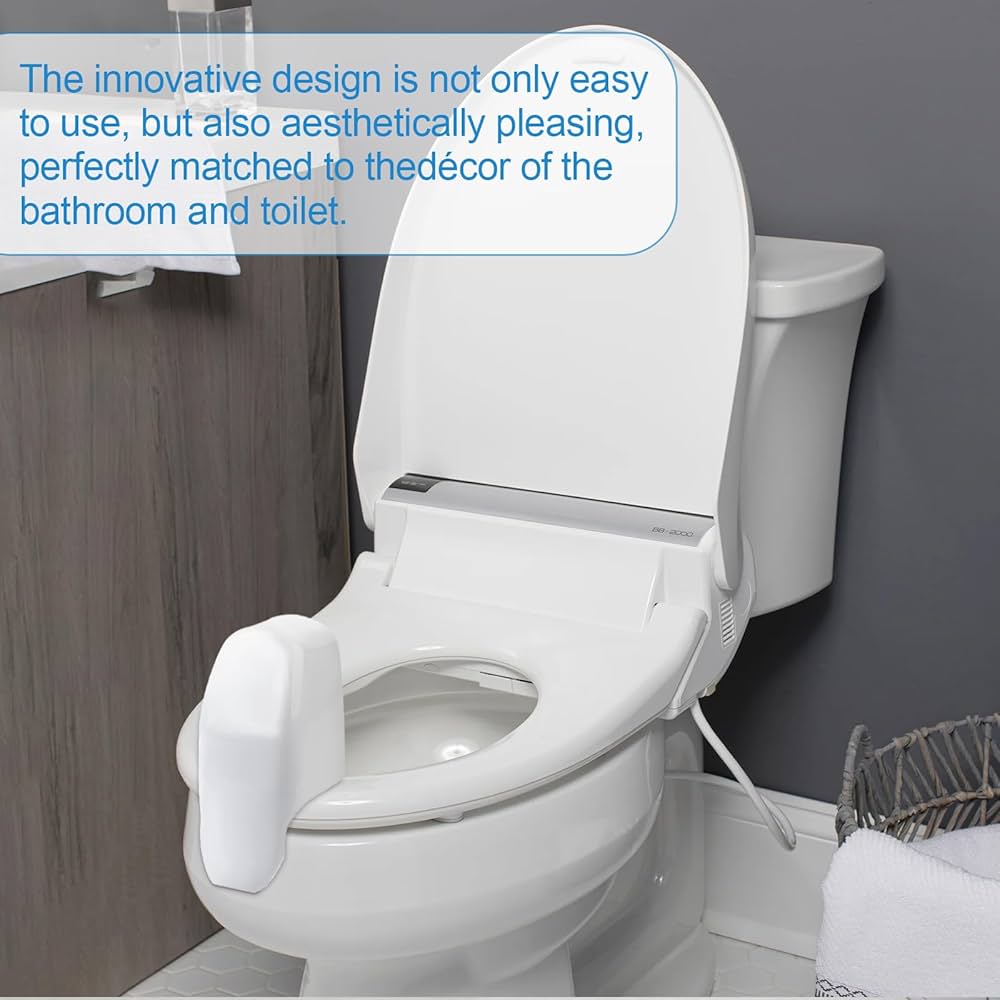
Urine deflectors attach to the toilet bowl or seat. They stop urine from splashing on the seat. The deflectors are small, simple, and easy to install. They guide urine back into the bowl. This keeps the seat dry and clean. Many models fit standard toilets without tools.
Antibacterial Toilet Seat Covers
Antibacterial covers help reduce germs on toilet seats. They are made from materials that kill bacteria on contact. These covers lower the risk of infection. They also reduce odors caused by urine residue. Some covers are disposable, while others can be cleaned and reused. They add an extra layer of protection for users.
Smart Cleaning Solutions
Smart cleaning devices use sensors to detect when the toilet is used. They spray disinfectant automatically after each use. This technology keeps the toilet seat fresh and sanitary. Some devices include UV light to kill germs. They reduce the need for manual cleaning. Smart solutions are ideal for busy homes and public restrooms.
Tips For Guests And Public Restrooms
Urine on the toilet seat can make shared bathrooms uncomfortable. Guests and users of public restrooms need simple habits to keep these spaces clean. Small actions can make a big difference in hygiene and comfort for everyone. Here are some tips to encourage cleanliness and respect in shared restrooms.
Signage And Gentle Reminders
Clear signs help remind users to keep the toilet seat clean. Place polite notes near the toilet or on the door. Use simple language like “Please wipe the seat if needed.” Gentle reminders work better than harsh words. They encourage good habits without causing discomfort.
Maintaining Cleanliness In Shared Spaces
Provide easy access to cleaning supplies like wipes or toilet paper. This allows users to clean the seat after use quickly. Make sure trash bins are nearby for disposal. Regular cleaning schedules keep the restroom fresh and inviting. Clean spaces reduce the spread of germs and bad odors.
Promoting Respectful Usage
Encourage everyone to sit down while using the toilet. This prevents splashes and stains on the seat. Teach children and guests about proper toilet use gently. Respectful use shows care for others and the shared space. A clean toilet seat reflects well on all users.
Credit: trobolo.com
Frequently Asked Questions
What Gets Urine Off A Toilet Seat?
Use disinfectant spray or antibacterial wipes to clean urine off a toilet seat. Wipe thoroughly and dry the surface.
Can A Toilet Seat Absorb Urine And Smell?
Toilet seats, especially plastic or wood, can absorb urine and develop unpleasant odors over time. Regular cleaning prevents buildup and smell.
Does Dried Urine Have Bacteria?
Dried urine can contain bacteria, but most die as it dries. Some bacteria may survive on surfaces for hours or days.
Why Would Urine Stain A Toilet Seat?
Urine stains toilet seats due to minerals reacting with urine’s chemicals, causing yellow discoloration and odor buildup.
Why Is There Urine On The Toilet Seat?
Urine on the toilet seat usually happens when people miss the bowl. Splashing and drips can leave spots on the seat. It’s common in both homes and public restrooms.
How Can I Clean Urine From A Toilet Seat Effectively?
Use a disinfectant cleaner or a mixture of vinegar and water. Wipe the seat with a clean cloth or paper towel. Rinse and dry to avoid stains and smells.
Does Urine On A Toilet Seat Cause Bad Odors?
Yes, urine can cause unpleasant smells if not cleaned quickly. The seat material may absorb urine, making the odor worse over time. Regular cleaning helps prevent bad smells.
Can Urine Stains Damage The Toilet Seat?
Urine can cause yellow stains, especially on plastic or wood seats. These stains may become hard to remove if left for too long. Cleaning regularly keeps the seat looking fresh.
Is Urine On A Toilet Seat A Health Risk?
Urine itself is usually not harmful, but bacteria can grow on wet surfaces. This can increase the risk of infections or illness. Cleaning and disinfecting reduce these risks.
What Is The Best Way To Prevent Urine On The Toilet Seat?
Sitting down while using the toilet greatly reduces splashes. Men can aim carefully or use special guards. Teaching good habits helps keep seats clean.
Conclusion
Urine on a toilet seat can cause discomfort and hygiene issues. Keeping the seat clean prevents stains and bad odors. Always wipe the seat after use to maintain freshness. Sitting down reduces splashes and keeps the bathroom tidy. Using disinfectant wipes helps kill germs quickly and easily.
Small habits make a big difference in restroom cleanliness. Everyone benefits from a clean and fresh toilet seat. Simple steps keep your bathroom healthy and pleasant for all.


Leave a Reply