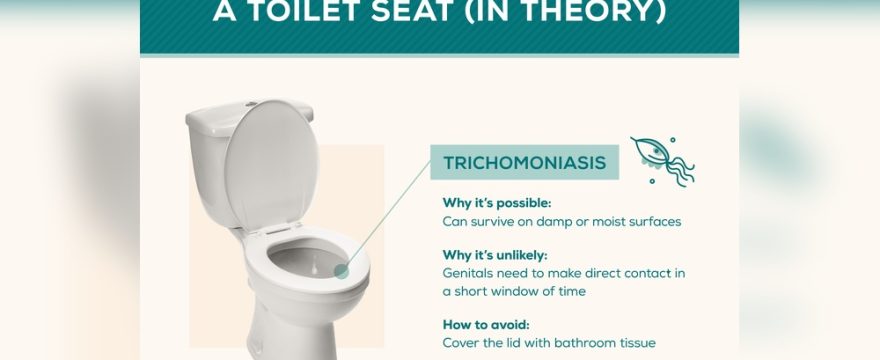
You’ve probably wondered at some point: can you get gonorrhea from toilet seats? It’s a common worry that pops up when using public restrooms or staying at unfamiliar places.
You might be concerned about germs lurking on the seat and whether a quick contact could put your health at risk. The truth might surprise you and ease your mind. You’ll discover how gonorrhea is really transmitted, why toilet seats are almost never the culprit, and what you should focus on to truly protect yourself.
Keep reading to clear up the facts and avoid unnecessary fears.
Credit: primanora.com
Gonorrhea Transmission Basics
Understanding the basics of gonorrhea transmission helps clear common myths. Many people worry about catching gonorrhea from toilet seats. The truth lies in how the infection spreads and how long the bacteria can survive outside the body.
How Gonorrhea Spreads
Gonorrhea spreads mainly through sexual contact. It passes during vaginal, anal, or oral sex with an infected person. The bacteria live in the mucous membranes of the body. These areas include the genitals, rectum, and throat. Direct contact with these areas is needed for transmission.
Touching a toilet seat or other surfaces does not cause gonorrhea. The infection cannot spread through casual contact like hugging or sharing utensils. Sexual contact remains the only common way to get gonorrhea.
Survival Of Bacteria Outside The Body
The gonorrhea bacteria cannot survive long outside the body. They need warm, moist environments to live. Once exposed to air or cold surfaces, the bacteria die quickly. Toilet seats are hard, dry surfaces. This makes them very unfriendly to the bacteria.
Because of this, the chances of catching gonorrhea from a toilet seat are virtually zero. The bacteria do not live long enough on these surfaces to infect anyone. This fact helps reduce fear about public restrooms and shared toilet seats.
Myth Of Toilet Seat Transmission
Many people worry about catching gonorrhea from toilet seats. This fear is common but not based on facts. The idea that gonorrhea can spread through toilet seats is a myth. Understanding why this is important helps reduce unnecessary fear and stigma.
Common Misconceptions
Some believe gonorrhea bacteria survive on toilet seats. Others think touching a seat can infect them. These ideas cause unnecessary worry about public restrooms. The truth is gonorrhea spreads through sexual contact only. It needs close, direct contact to pass from one person to another.
Scientific Evidence Against Transmission
Studies show gonorrhea bacteria cannot live long outside the body. The bacteria die quickly on dry, cold surfaces like toilet seats. Research confirms no cases of gonorrhea come from toilet seats. Medical experts agree that infection requires contact with infected body fluids. Toilet seats do not provide the right environment for bacteria to survive.
Germs Found On Toilet Seats
Toilet seats often make people think about germs. Public restrooms can have many types of microorganisms. These germs come from many users and their contact with surfaces. Understanding what germs live on toilet seats helps us know the real risks. This knowledge clears up common worries about infections, including sexually transmitted diseases.
Not all germs found on toilet seats cause serious illness. Many are harmless or cause mild infections. Awareness of these microorganisms helps in practicing good hygiene. Cleaning and handwashing remain the best ways to reduce any risk.
Types Of Microorganisms Present
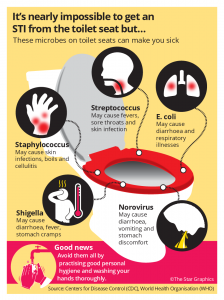
Toilet seats can carry bacteria, viruses, and fungi. Common bacteria include E. coli and Staphylococcus. These come from skin or fecal matter left by users. Viruses such as cold or flu viruses may also be present briefly. Fungi like yeast can survive on moist surfaces. Despite their presence, many harmful microbes die quickly on toilet seats.
Risks From Non-std Infections
Most germs on toilet seats cause minor infections. Skin infections like rashes or mild irritations are possible. Some bacteria can cause stomach upset if transferred to the mouth. Cuts or open wounds increase the risk of infection. Simple hygiene measures help prevent these infections easily. Germs causing sexually transmitted diseases cannot survive on toilet seats.
Credit: www.everlywell.com
Stds And Surface Survival
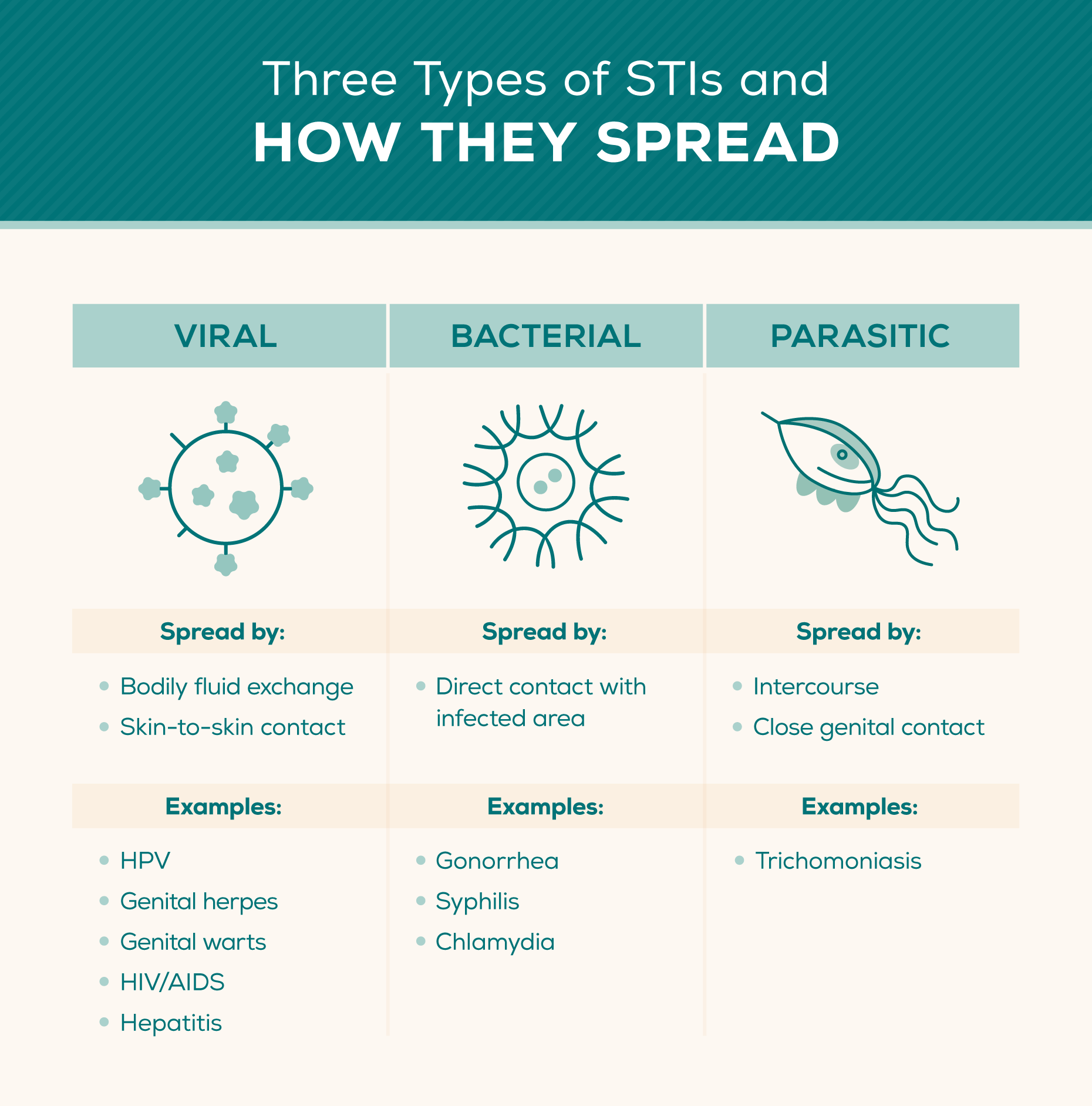
Sexually transmitted diseases (STDs) need specific conditions to live and spread. Most STDs are caused by bacteria or viruses. These germs require a warm, moist environment inside the human body. Outside the body, they face harsh conditions like air and dry surfaces.
This makes it very hard for STDs to survive on objects like toilet seats. People often worry about catching infections from surfaces in public places. Understanding how long these germs live outside the body helps clear up these concerns.
Why Bacterial Stds Don’t Survive On Surfaces
Bacterial STDs, such as gonorrhea, need a moist and warm place to live. They usually infect the mucous membranes in the genital area. Once exposed to dry air or cold surfaces, these bacteria die quickly. Toilet seats are dry and cool, making them a poor place for bacteria to survive.
The bacteria that cause gonorrhea cannot survive more than a few seconds outside the body. They do not have the ability to infect through skin contact alone. This means touching a toilet seat will not pass on gonorrhea or similar infections.
Exceptions And Rare Cases
Some infections can survive briefly on surfaces but rarely cause disease this way. For example, viruses like herpes may live a short time on moist surfaces. Yet, transmission through toilet seats remains extremely uncommon.
Very rare cases might involve contact with fresh bodily fluids. Even then, the chance of catching an STD from a toilet seat is almost zero. Good hygiene and regular cleaning of public restrooms reduce any minimal risk further.
Protecting Yourself In Public Restrooms
Public restrooms can make many people uneasy. Concerns about germs and infections often arise. Understanding how to protect yourself is key. Knowing what risks actually exist helps reduce fear. Gonorrhea does not spread through toilet seats. The bacteria cannot survive on cold, dry surfaces. Still, good habits improve safety and peace of mind.
Effective Hygiene Practices
Always wash your hands after using the restroom. Use soap and warm water for at least 20 seconds. Dry your hands with a clean towel or air dryer. Avoid touching your face before washing hands. Use a paper seat cover if available. If not, place toilet paper on the seat. Avoid sitting directly on the toilet seat if concerned. Carry hand sanitizer for times when soap is unavailable.
When To Seek Medical Advice
Seek medical advice if you notice unusual symptoms. Symptoms may include burning during urination or unusual discharge. Visit a healthcare provider for testing if you suspect exposure. Early diagnosis helps prevent complications and spread. Do not rely on toilet seat contact as a source. Gonorrhea mainly spreads through sexual contact. Always discuss any concerns with your doctor.
Credit: www.healthline.com
Reliable Resources For Std Information
Reliable information about STDs helps clear up common myths. Knowing facts protects your health and peace of mind. Trustworthy sources give clear answers about gonorrhea and toilet seats. These resources guide you to accurate knowledge and support.
Finding correct STD information is essential. It helps avoid unnecessary fear and promotes safe habits. Below are key places to get reliable details and care.
Trusted Medical Organizations
Medical groups like the Centers for Disease Control and Prevention (CDC) offer trusted facts. They explain how STDs spread and how to prevent them. The World Health Organization (WHO) also provides global STD data. These organizations update their info regularly to stay accurate. You can visit their websites for clear, easy-to-understand guides.
Many hospitals and clinics follow guidelines from these organizations. Their advice is based on science and research, not rumors. Using these sources helps avoid myths about catching gonorrhea from toilet seats.
Where To Get Tested And Treated
Getting tested for STDs is simple and important. Many local health clinics offer free or low-cost testing. Planned Parenthood clinics provide confidential STD tests and treatment. Some pharmacies and community centers also have testing services.
Early testing helps catch infections before they cause problems. Treatment is effective and usually quick. Talking to a healthcare provider ensures you get the right care. They also offer advice on how to protect yourself and others.
Frequently Asked Questions
Can You Catch Gonorrhea Non-sexually?
You cannot catch gonorrhea non-sexually. The bacteria dies quickly outside the body and cannot survive on surfaces.
What Can I Catch Off A Toilet Seat?
You cannot catch sexually transmitted infections from a toilet seat. Harmful bacteria and viruses die quickly on hard surfaces. Common germs may exist, but risk of disease transmission is extremely low. Always maintain personal hygiene to stay safe.
How Long Does Gonorrhea Live On Fabric?
Gonorrhea bacteria survive only briefly on fabric, usually dying within minutes outside the body. Transmission via fabric is highly unlikely.
Can Toilet Infection Lead To Std?
No, toilet infections do not cause sexually transmitted diseases (STDs). STDs spread mainly through sexual contact, not surfaces.
Can You Get Gonorrhea From A Toilet Seat?
No, gonorrhea bacteria cannot survive on toilet seats. They need warm, moist environments inside the human body.
How Is Gonorrhea Usually Transmitted?
Gonorrhea spreads mainly through sexual contact. It infects mucous membranes during vaginal, anal, or oral sex.
Can Touching A Toilet Seat Cause Gonorrhea?
Touching a toilet seat will not cause gonorrhea. The bacteria die quickly outside the body and on dry surfaces.
How Long Does Gonorrhea Bacteria Survive Outside The Body?
Gonorrhea bacteria survive only a few seconds to minutes outside the body. They cannot live on cold, dry surfaces like toilet seats.
Can You Catch Any Infections From Toilet Seats?
You can catch some germs from toilet seats, but not gonorrhea or other STDs. Most infections need direct body contact.
Are Public Restrooms Safe From Sexually Transmitted Infections?
Public restrooms are generally safe from STDs. Sexually transmitted bacteria cannot live on hard surfaces like toilet seats.
Conclusion
Gonorrhea does not spread through toilet seats. The bacteria cannot live long outside the body. Touching a toilet seat poses almost no risk for infection. Safe sexual practices remain the main way to prevent gonorrhea. Understanding how germs spread helps reduce unnecessary worries.
Stay informed and focus on protecting your health wisely.


Leave a Reply