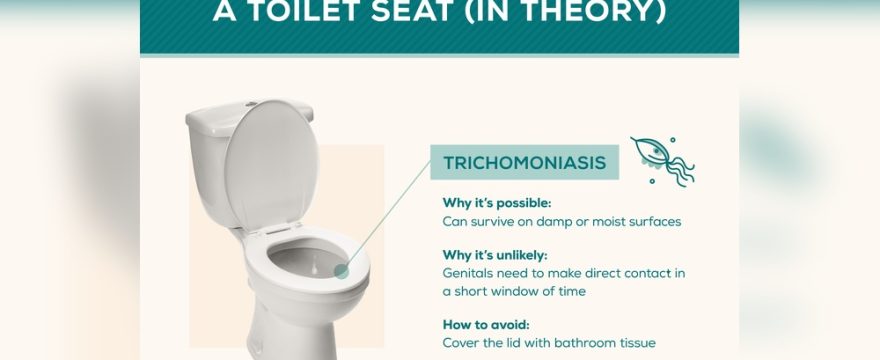
Have you ever worried about catching genital warts just by sitting on a public toilet seat? It’s a common fear that many people have, but the truth might surprise you.
You deserve to know the facts so you can feel confident and safe in everyday situations. We’ll clear up the myths and reveal what really causes genital warts—and why a toilet seat is not one of them. Keep reading to protect your health and put your mind at ease.
:max_bytes(150000):strip_icc()/midsection-of-woman-with-paper-sitting-on-toilet-bowl-1004905988-d74f01b145ef4a3196ed34542c601d6a.jpg)
Credit: www.verywellhealth.com
Genital Warts Basics
Understanding genital warts is important to clear up common fears. Many wonder if they can catch genital warts from toilet seats. This section explains the basics of genital warts, their causes, how they spread, and signs to watch for.
What Causes Genital Warts
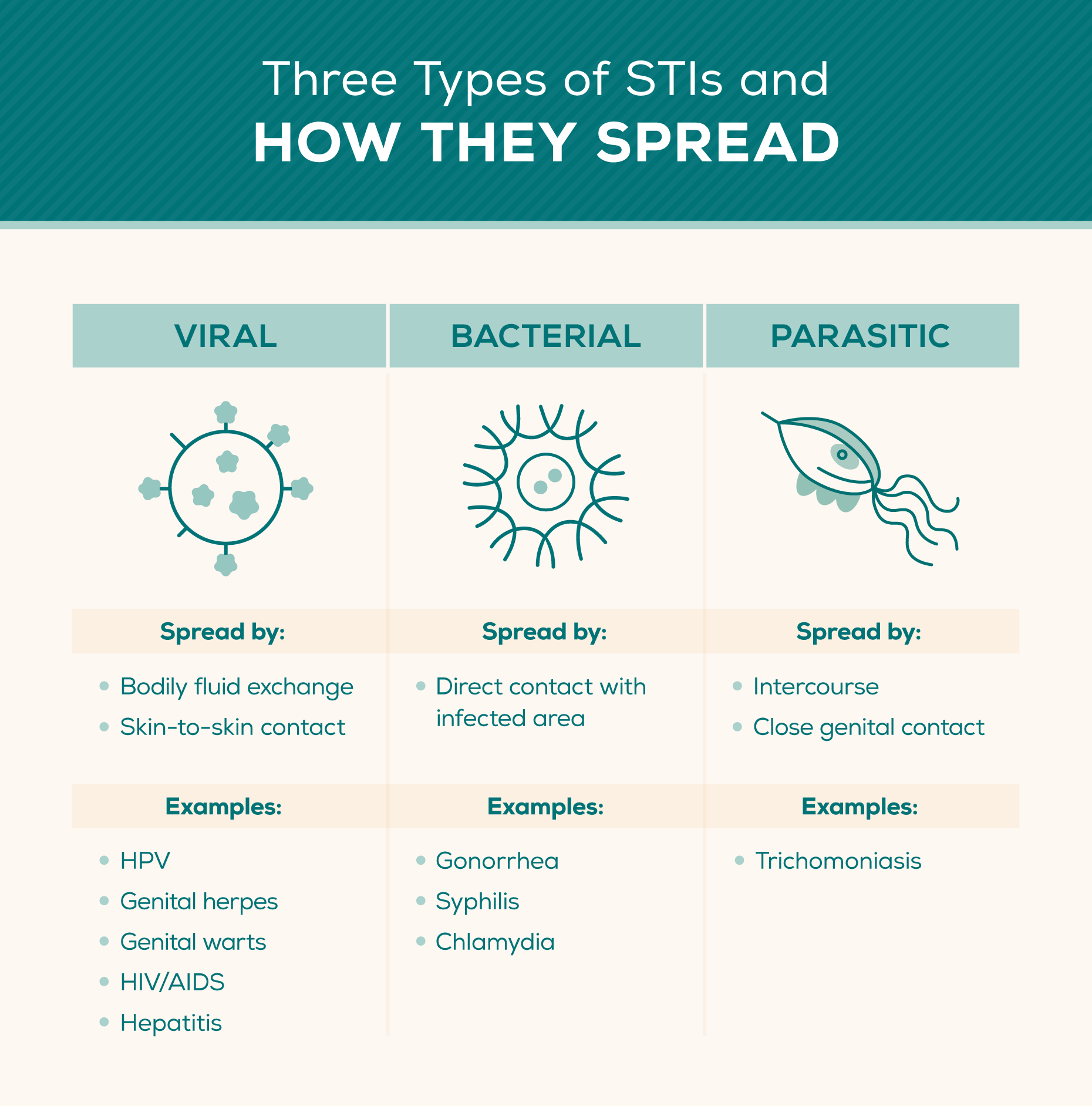
Genital warts are caused by certain types of human papillomavirus (HPV). HPV is a virus that affects the skin and moist tissues. Not all HPV types cause warts, but the ones linked to genital warts are contagious. The virus infects skin cells and causes small growths or lumps. These warts can appear on the genitals, anus, or nearby areas.
How Genital Warts Spread
Genital warts spread through direct skin-to-skin contact during sexual activity. This includes vaginal, anal, and oral sex. The virus needs contact with infected skin to move from one person to another. Touching objects like toilet seats does not spread the virus. HPV cannot live long on surfaces, so the risk from toilet seats is virtually zero.
Signs And Symptoms
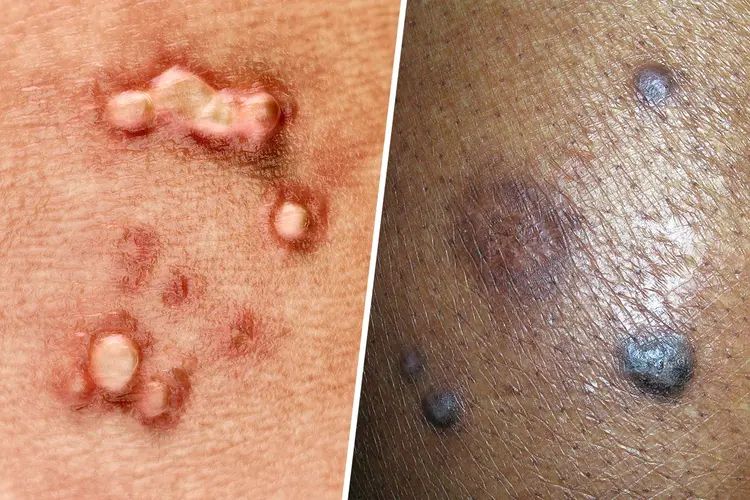
Genital warts may appear as small, flesh-colored bumps or growths. They can be flat or raised and sometimes form clusters. Warts usually do not cause pain but may itch or bleed. Some people with HPV do not show any symptoms but can still spread the virus. If you notice unusual bumps, it is best to see a healthcare provider for diagnosis.
Credit: www.everlywell.com
Transmission Myths
Many people worry about catching genital warts from toilet seats. This fear comes from common myths about how the virus spreads. Understanding these myths helps clear up confusion and reduces unnecessary anxiety. The truth is, genital warts spread through direct skin-to-skin contact, not from surfaces like toilet seats.
Common Misconceptions About Toilet Seats
People often believe that toilet seats carry genital warts. This idea is popular but not true. The human papillomavirus (HPV), which causes genital warts, does not survive well on hard surfaces. It needs moist, warm skin to live and spread. Toilet seats are dry and cold, which makes the virus die quickly.
Why Toilet Seats Are Not A Risk
The virus needs direct contact with infected skin to spread. Sitting on a toilet seat does not provide this contact. HPV cannot pass through clothes or toilet paper. Also, the virus does not stay alive long outside the body. That is why the chance of catching warts from a toilet seat is extremely low.
Other Myths About Genital Wart Transmission
Some believe that sharing towels or swimsuits spreads genital warts. These items do not usually carry the virus either. HPV spreads mostly through intimate skin contact during sexual activity. Touching objects or casual contact like hugging or handshakes will not transmit the virus. Knowing these facts helps prevent fear and promotes safe practices.
Scientific Facts
Scientific facts clarify many myths about genital warts and their transmission. Understanding how the virus behaves outside the body helps clear up common fears. The truth is rooted in how the virus spreads and survives.
Virus Survival Outside The Body
The virus causing genital warts does not live long outside human skin. It dies quickly on hard surfaces like toilet seats. The dry, cool environment of a toilet seat is hostile to the virus. Without a living host, the virus cannot stay active or infectious.
Skin-to-skin Contact As Primary Transmission
Genital warts spread mainly through direct skin-to-skin contact. The virus enters through tiny cuts or soft skin areas. Touching a toilet seat does not involve this kind of contact. The virus needs a warm, moist environment to transfer between people.
Role Of Sexual Activity In Spread
Sexual activity is the main way genital warts spread. The virus passes during vaginal, anal, or oral sex. Close skin contact during sex allows the virus to infect new hosts. Nonsexual contact, like sitting on a toilet seat, is not a risk for transmission.
Public Health Insights
Understanding the public health perspective on genital warts helps clear common worries. Many people fear catching infections from toilet seats. Public health experts study how diseases spread in everyday places. Their insights guide safe practices in shared spaces like restrooms.
Examining expert views and official statements reveals what is true and what is myth. This knowledge shapes how people use public restrooms without unnecessary fear.
Expert Opinions And Research Findings
Health experts agree genital warts do not spread from toilet seats. The human papillomavirus (HPV), causing warts, requires skin-to-skin contact. Research shows the virus cannot survive long on hard surfaces. Studies find no evidence of transmission through toilet seats. Experts stress that direct contact is the main risk factor.
Statements From Health Organizations
Leading health organizations confirm that toilet seats are not a source of genital warts. The American Cancer Society states HPV does not spread through surfaces. The Centers for Disease Control and Prevention (CDC) also denies transmission via toilet seats. These bodies emphasize personal contact as the primary mode. Their clear messages help reduce public anxiety.
Implications For Public Restroom Use
People can use public restrooms without fear of genital warts. Normal hygiene practices like washing hands are enough. Avoiding direct skin contact with others is key. Public health advice focuses on realistic risks, not myths. This approach promotes confidence and proper restroom use.
Preventing Genital Warts
Preventing genital warts is essential for maintaining sexual health. These warts are caused by specific types of the human papillomavirus (HPV). The virus spreads mainly through direct skin-to-skin contact during sexual activity. Taking steps to reduce the risk of infection helps protect yourself and your partner. Understanding prevention methods allows you to live confidently and safely.
Safe Sexual Practices
Use condoms correctly every time you have sex. Condoms reduce the risk but do not eliminate it completely. Limiting the number of sexual partners lowers exposure to HPV. Open communication about sexual health with partners is important. Regular health check-ups can catch infections early.
Vaccination Options
HPV vaccines protect against the most common wart-causing strains. Vaccines are safe and effective for both males and females. Getting vaccinated before becoming sexually active offers the best protection. Even if sexually active, vaccination can still provide benefits. Consult a healthcare provider about the right vaccine schedule.
Hygiene Tips And Precautions
Wash your hands before and after using the restroom. Avoid sharing towels or personal items that touch private areas. Clean genital areas gently and regularly with mild soap and water. Wearing breathable, cotton underwear helps reduce moisture. Although genital warts do not spread from toilet seats, maintaining hygiene is key to overall health.
Credit: www.webmd.com
When To Seek Medical Advice
Knowing when to seek medical advice about genital warts is important. Early action can prevent complications and spread. Many people hesitate to see a doctor due to embarrassment or fear. Yet, timely diagnosis and treatment offer the best results. Understanding the signs and treatment options helps you act wisely.
Identifying Genital Warts Early
Genital warts often appear as small, flesh-colored bumps. They can be raised or flat and may cluster together. Sometimes, warts itch or cause discomfort. Noticing these early signs is key. If you see unusual growths in the genital area, visit a healthcare provider. Early detection allows for easier treatment and reduces risk to partners.
Treatment Options Available
Doctors can treat genital warts with creams, gels, or removal procedures. Prescription medicines help clear warts over time. In some cases, freezing or laser therapy removes warts quickly. Treatment depends on wart size, number, and location. Your provider will suggest the safest and most effective choice. Starting treatment early can shorten recovery and prevent spread.
Managing Recurrences
Genital warts may return after treatment. This happens because the virus can stay hidden in the skin. Regular check-ups help catch new warts early. Follow your doctor’s advice to reduce outbreaks. Avoiding skin irritation and practicing safe sex lowers recurrence risk. Staying aware and proactive helps keep warts under control.
Frequently Asked Questions
How Easily Are Genital Warts Transmitted?
Genital warts transmit easily through direct skin-to-skin sexual contact. Casual contact or sharing objects rarely spreads them.
How Do You Tell If It’s A Genital Wart Or Not?
Genital warts appear as small, flesh-colored or gray bumps in the genital area. They may be raised or flat and sometimes cluster together. Itching, discomfort, or bleeding can occur. Consult a healthcare provider for accurate diagnosis and treatment. Avoid self-diagnosing to prevent confusion with other skin issues.
What Causes Genital Warts To Develop?
Genital warts develop due to infection with specific strains of human papillomavirus (HPV). The virus spreads through direct skin-to-skin sexual contact. HPV enters the body via tiny cuts or abrasions. Not all HPV types cause warts, but certain strains trigger their growth on genital skin.
Is It True That 80% Of People Have Hpv?
Yes, about 80% of people will get HPV at some point in their lives. It spreads through skin-to-skin contact. Most infections clear without symptoms or treatment.
Can You Get Genital Warts From A Toilet Seat?
No, genital warts cannot be caught from toilet seats. The virus needs direct skin contact to spread. Toilet seats do not provide the right environment for the virus.
How Are Genital Warts Usually Transmitted?
Genital warts spread through skin-to-skin contact during sexual activity. Sharing towels or clothes rarely causes transmission. The virus cannot survive long on surfaces.
Can Hpv Survive On Toilet Seats?
HPV, the virus causing genital warts, does not survive well on hard surfaces like toilet seats. It dies quickly when exposed to air and cleaning agents. This makes transmission from toilet seats very unlikely.
What Are The Common Ways To Get Genital Warts?
Genital warts are commonly spread through vaginal, anal, or oral sex. Close skin contact with an infected person is the main cause. Using condoms lowers the risk but does not eliminate it completely.
Can Public Restrooms Spread Genital Warts?
Public restrooms are not a source of genital warts infection. The virus does not live long outside the body. Proper hygiene reduces any minimal risk from germs.
How To Tell If A Bump Is A Genital Wart?
Genital warts look like small, flesh-colored bumps or cauliflower-shaped growths. They may appear on the genitals or around the anus. A healthcare provider can give a correct diagnosis.
Conclusion
Genital warts spread through direct skin contact, not toilet seats. The virus cannot live long on hard surfaces like toilets. Touching a toilet seat poses almost no risk of infection. Safe sexual practices remain the best way to prevent genital warts.
Understanding how the virus spreads helps reduce unnecessary fears. Stay informed and focus on real prevention methods.


Leave a Reply