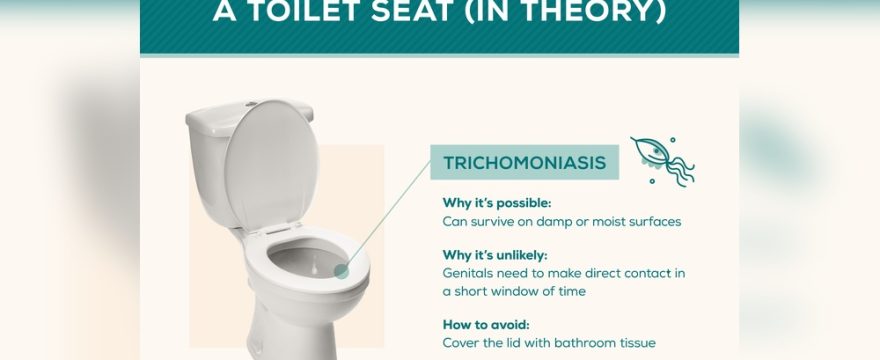
You might have wondered at some point: can you get chlamydia from a toilet seat? It’s a common fear that can cause unnecessary worry.
But here’s the truth you need to know—chlamydia is not something you can catch just by sitting down in a public restroom. Understanding how this infection spreads can protect you from myths and help you focus on real ways to stay safe.
Keep reading to uncover the facts behind this question and learn how to truly protect your health.
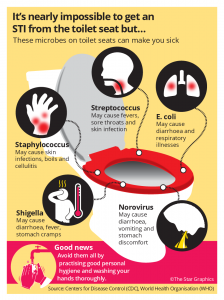
Credit: primanora.com
Chlamydia Basics
Understanding chlamydia is important to clear up myths. Many people worry about catching it from places like toilet seats. This section explains what chlamydia is and how it spreads. It helps you know the real risks and avoid confusion.
What Is Chlamydia?
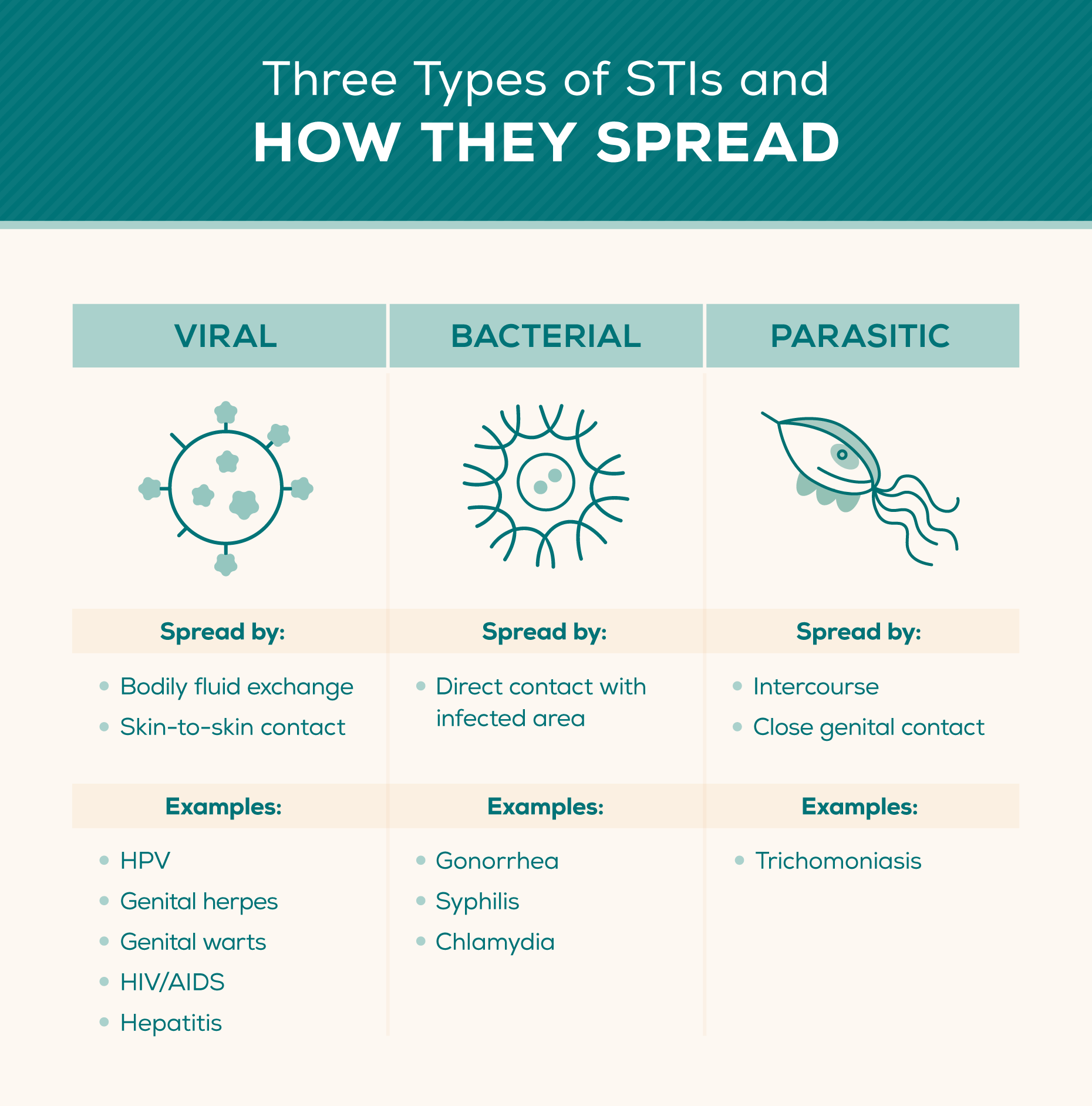
Chlamydia is a common sexually transmitted infection (STI). It is caused by bacteria called Chlamydia trachomatis. This infection often shows no symptoms. When symptoms appear, they can include pain during urination and unusual discharge. Untreated chlamydia can lead to serious health problems, especially for women. It is important to get tested regularly if you are sexually active.
How Chlamydia Spreads
Chlamydia spreads through sexual contact. This includes vaginal, anal, and oral sex. The bacteria live inside the body’s warm and moist areas. Chlamydia cannot survive long outside the body. It does not spread through casual contact or touching objects. You cannot catch it from toilet seats, towels, or swimming pools. The risk comes only from close intimate contact with an infected person.

Credit: freemedicaljournals.com
Survival Of Bacteria Outside The Body
Bacteria need specific conditions to live outside the body. Chlamydia bacteria do not survive long on surfaces. The survival of bacteria depends on many factors such as moisture, temperature, and surface type. Understanding how chlamydia behaves outside the body helps explain why it is unlikely to spread from toilet seats.
Fragility Of Chlamydia Bacteria
Chlamydia bacteria are very fragile. They rely on the warm and moist environment inside the human body. Outside the body, they quickly lose their ability to infect. Dry surfaces like toilet seats are especially harsh for these bacteria. Without moisture, they die fast and cannot cause infection.
Environmental Conditions Affecting Survival
Temperature plays a big role in bacterial survival. Chlamydia cannot live long in cold or hot environments. Sunlight and air exposure also kill the bacteria quickly. Hard surfaces do not protect chlamydia from drying out. These conditions make it nearly impossible for chlamydia to survive on a toilet seat.
Toilet Seats And Infection Risk
Many myths surround how chlamydia spreads outside of sexual contact. People often worry about catching it from everyday items and places. These fears cause unnecessary stress and misunderstanding. It helps to know which non-sexual transmission stories are false. Here, we explore some common myths about towels, shared items, swimming pools, and public facilities.
Towels And Shared Items
Chlamydia bacteria cannot survive long on fabrics or objects. Using a towel that someone with chlamydia used does not spread the infection. The bacteria need a moist, warm environment, like the inside of the body, to live. Sharing items like towels, bedding, or clothing does not transmit chlamydia. Good hygiene and regular washing of personal items reduce any minimal risk.
Swimming Pools And Public Facilities
Public places such as swimming pools, hot tubs, and gyms do not spread chlamydia. Chlorine and other chemicals kill bacteria quickly. The bacteria cannot live in water or on hard surfaces like pool edges or gym equipment. Sitting on public benches or using shared facilities is safe. Chlamydia transmission requires direct sexual contact with an infected person.
Credit: www.everlywell.com
Frequently Asked Questions
Is Chlamydia Transmitted Non-sexually?
Chlamydia spreads mainly through sexual contact. It cannot survive long outside the body, so non-sexual transmission is extremely rare.
How Did I Get Chlamydia If My Partner Didn’t Cheat?
You can get chlamydia from previous partners or undiagnosed infections. It may also result from transmission during oral, vaginal, or anal sex. Chlamydia does not spread through casual contact or surfaces. Testing and honest communication with your partner help clarify transmission.
How Long Can Chlamydia Live On A Toilet Seat?
Chlamydia bacteria cannot survive long outside the human body. It dies quickly on toilet seats, making transmission from them virtually impossible.
Is Chlamydia Contagious Through Towels?
Chlamydia does not spread through towels. The bacteria cannot survive long outside the human body. Transmission occurs mainly via sexual contact.
Can You Get Chlamydia From A Toilet Seat?
No, chlamydia cannot be caught from a toilet seat. The bacteria die quickly outside the human body. It needs warm, moist conditions to survive.
How Long Does Chlamydia Live On Surfaces?
Chlamydia bacteria survive only a few seconds to minutes on dry surfaces. They cannot live long outside the body. This makes surface transmission nearly impossible.
Is Chlamydia Contagious Through Towels Or Clothes?
Chlamydia is rarely spread through towels or clothes. The bacteria do not survive well on these items. Direct sexual contact is the main cause.
Can Swimming Pools Spread Chlamydia Infection?
Chlamydia cannot spread through swimming pools. Chlorine in pools kills bacteria quickly. The infection requires close, intimate contact to spread.
What Are The Common Ways To Catch Chlamydia?
Chlamydia spreads mainly through vaginal, anal, and oral sex. Skin-to-skin contact with infected areas causes transmission. Non-sexual contact is extremely unlikely.
Can Chlamydia Be Caught From Toilet Seat Contact?
Touching a toilet seat does not cause chlamydia. The bacteria cannot live on cold, dry surfaces like toilet seats. Infection needs sexual contact.
Conclusion
Chlamydia spreads mainly through sexual contact, not toilet seats. The bacteria cannot survive long outside the body. Touching a toilet seat poses almost no risk of infection. Focus on safe sex practices to stay protected. Regular testing helps catch infections early.
Understanding facts reduces unnecessary fear. Stay informed and take care of your sexual health.


Leave a Reply