Have you ever wondered if you can catch an STI from a toilet seat? It’s a question that might have crossed your mind, especially if you’re concerned about your health after using a public restroom.
You’re not alone—many people worry about this, and it’s important to get the facts straight. You’ll discover the truth behind this common fear. By the end, you’ll know exactly what puts you at risk—and what doesn’t—so you can feel confident and safe in everyday situations.
Keep reading to clear up the mystery once and for all.
Credit: www.everlywell.com
Common Sti Transmission Methods
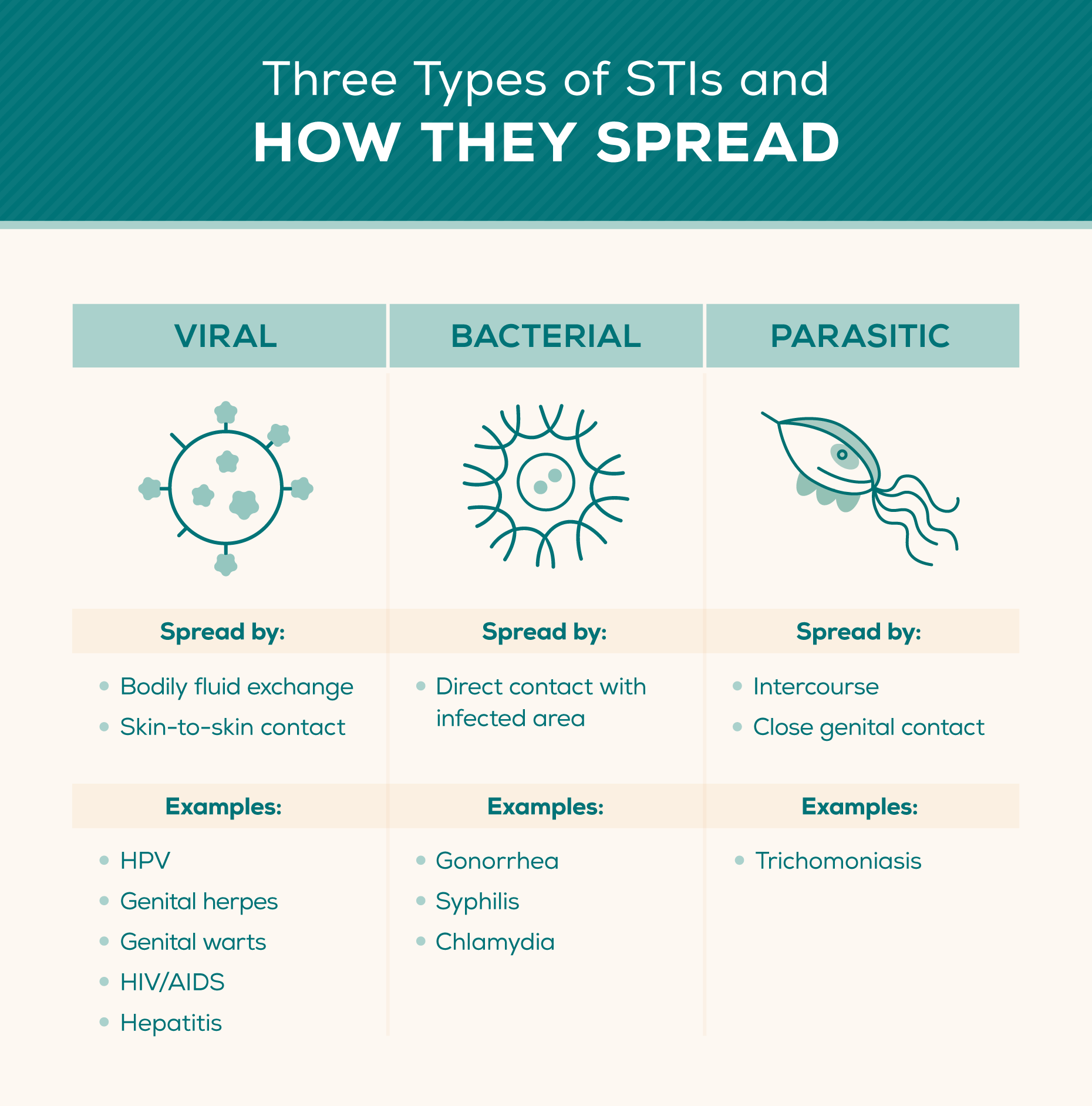
Sexually transmitted infections (STIs) spread through specific ways. Knowing these helps clear up myths about catching STIs from places like toilet seats. Most STIs require direct contact with infected body fluids or skin. Some infections can spread in other ways but those are less common.
Sexual Contact
Most STIs pass through sexual contact. This includes vaginal, anal, and oral sex. Fluids like semen, vaginal secretions, or blood carry germs. Skin-to-skin contact in genital areas also spreads infections. The risk grows with more partners or unprotected sex. Using condoms lowers the chance of transmission. Some STIs do not need visible sores to spread.
Non-sexual Routes
Some STIs spread without sex. Sharing needles can pass infections like HIV or hepatitis. Mother to baby transmission happens during childbirth or breastfeeding. Rarely, contact with infected blood or wounds can spread germs. Touching toilet seats does not transfer STIs. These germs cannot live long outside the body. Good hygiene and clean surfaces reduce any small risks.
Survival Of Stis Outside The Body
Sexually transmitted infections (STIs) need a living host to stay alive. Outside the body, their survival chances drop sharply. Understanding how long STIs live outside the body helps answer if you can catch them from a toilet seat.
This section explores how environmental conditions affect STI survival. It also discusses how long these infections remain infectious outside the body.
Environmental Factors
STIs struggle to survive on dry surfaces like toilet seats. Most need moisture to live and spread. Heat, sunlight, and air exposure kill many germs quickly. Cold and damp environments may prolong their survival, but not for long.
Bacteria causing STIs usually die fast outside the body. Viruses like HIV and herpes also lose strength on surfaces. They cannot infect without direct contact with skin or bodily fluids.
Duration Of Infectiousness
STIs rarely stay infectious outside the body for more than a few minutes. Some, like gonorrhea and chlamydia, die almost instantly. Viruses such as HPV can survive a bit longer but still need direct contact to spread.
Touching a toilet seat is unlikely to transmit STIs. Germs dry out and lose their ability to infect quickly. Transmission happens mainly through sexual contact or exchange of bodily fluids.
Toilet Seats As Potential Vectors
Toilet seats raise many questions about health and hygiene. People often wonder if they can catch an STI from them. Understanding the role of toilet seats as potential vectors helps clarify these concerns. A vector means something that can carry and spread infections. Toilet seats might seem risky because they come into contact with many people. But how likely is it that they spread STIs? This depends on several factors.
Types Of Bodily Fluids Involved
STIs spread through specific bodily fluids. These fluids include blood, semen, vaginal fluids, and sometimes saliva. Toilet seats rarely have fresh bodily fluids on them. Most fluids dry quickly and do not survive long outside the body. This makes the risk of transmission from toilet seats very low. Usually, contact with these fluids happens through direct skin or mucous membrane contact.
Conditions For Transmission
For an STI to spread, the pathogen must survive and enter the body. Toilet seats do not provide a good environment for pathogens. Most bacteria and viruses die quickly on hard surfaces. The skin also acts as a strong barrier against infections. Transmission requires open cuts or sores and direct fluid contact. Normal toilet seat use rarely meets these conditions. Cleaning and disinfecting further reduce any chance of transmission.
Scientific Evidence On Toilet Seat Transmission
Many people worry about catching sexually transmitted infections (STIs) from toilet seats. This concern often comes from misunderstanding how STIs spread. Scientific research helps clear up these fears by showing how unlikely transmission from toilet seats really is.
STIs require specific conditions to spread. These infections usually pass through direct skin-to-skin contact or exchange of bodily fluids. Toilet seats do not provide such an environment for STIs to live or move to a new host.
Research Studies
Researchers have studied whether STI germs can survive on toilet seats. Most STIs cannot live long outside the human body. Studies show that the germs die quickly on hard, dry surfaces like toilet seats.
Scientific tests found no evidence of STI transmission from toilet seats. The chance of infection through contact with a toilet seat is nearly zero. The germs need warm, moist places to survive and multiply.
Health Organization Statements
Health experts agree that toilet seats are not a source of STI transmission. The Centers for Disease Control and Prevention (CDC) states STIs spread through sexual contact, not objects.
The World Health Organization (WHO) also confirms no risk from toilet seats. They encourage safe sex practices but do not warn about toilets. Public health messages focus on direct contact, not surfaces like toilet seats.
Myths Fueling Sti Fears
Fears about catching STIs from toilet seats are common but often not based on facts. Many people worry about germs lurking on public toilets. These worries come from myths, not science. Understanding these myths helps clear up confusion and reduces fear.
Common Misconceptions
One myth says STIs can spread through toilet seats. This is false. STIs need direct contact with infected skin or fluids. Germs do not survive long on hard surfaces like toilet seats. Using a toilet seat does not expose you to these infections.
Another false idea is that toilet seats are dirty enough to cause STIs. Cleaning and disinfecting happen regularly in public places. Germs on toilet seats are usually harmless bacteria, not STI-causing viruses. Avoiding toilet seats out of fear is unnecessary.
Impact On Public Perception
Myths create unnecessary fear and shame around STIs. People may avoid talking about their health openly. This silence can stop them from getting tested or treated. Myths also cause stigma against those with STIs.
Believing in these myths can lead to poor hygiene habits. Some may avoid public toilets or use unsafe alternatives. This can cause other health problems. Clear information helps people make better health choices and reduces stigma.
Effective Sti Prevention Strategies
Preventing sexually transmitted infections (STIs) requires practical steps. Understanding effective prevention helps reduce risk. Focus on safe habits and cleanliness. These strategies protect your health and others around you.
Safe Sexual Practices
Use condoms during every sexual encounter. They reduce the chance of infection. Limit the number of sexual partners. Get tested regularly for STIs. Open communication with partners is key. Avoid sharing sex toys without cleaning them first.
Hygiene And Sanitation
Wash hands before and after using the bathroom. Clean genital areas gently with water and mild soap. Avoid harsh chemicals or douches. Public toilets can have germs but rarely spread STIs. Use toilet seat covers or wipe seats if concerned. Keeping clean lowers infection risks overall.
When To Seek Medical Advice
Knowing when to seek medical advice is important for your health. Some infections may not show signs right away. Early action can prevent serious problems. Pay attention to your body and changes you notice.
Recognizing Symptoms
Symptoms of an STI can vary. Some common signs include pain during urination, unusual discharge, and itching. You might see sores or bumps around the genital area. Sometimes, symptoms are mild or not visible at all. Do not ignore any discomfort or strange feelings.
Getting Tested
Testing is the only way to know for sure. Many clinics offer quick and simple STI tests. Testing helps find infections early and start treatment. You can ask for tests even without symptoms. Regular testing is important if you have new or multiple partners.
Credit: drsafehands.com
Credit: primanora.com
Frequently Asked Questions
Can You Catch An Sti From A Toilet Seat?
No, STIs cannot be caught from toilet seats. These infections spread mainly through sexual contact.
How Do Stis Usually Spread?
STIs spread through direct sexual contact, including vaginal, anal, and oral sex. Sharing needles can also spread some STIs.
Can Germs Survive On Toilet Seats?
Germs can live briefly on toilet seats, but not long enough to cause STIs. Toilet seats are not a common way to catch infections.
Is It Safe To Sit On Public Toilet Seats?
Yes, it is safe. The risk of catching an STI from a toilet seat is extremely low.
Can You Get An Sti From Toilet Seat Contact?
No, STIs need direct body fluid exchange. Contact with toilet seats does not provide this.
What Are Common Ways To Prevent Stis?
Using condoms, having safe sex, and regular testing help prevent STIs. Avoiding sharing needles also reduces risk.
Why Do People Fear Getting Stis From Toilet Seats?
This fear comes from myths and misunderstandings about STI transmission. Science shows toilet seats are not a source of STIs.
Can Cleaning Toilet Seats Prevent Stis?
Cleaning toilet seats kills most germs but does not affect STI risk. STIs are not spread by toilet seat germs.
Are Some Stis More Contagious Than Others?
Yes, some STIs spread more easily through sexual contact. None, however, spread through toilet seats.
Should You Worry About Stis In Public Restrooms?
No need to worry. STIs do not spread in public restrooms or from toilet seats.
Conclusion
The chance of catching an STI from a toilet seat is extremely low. STIs spread mainly through sexual contact, not surfaces. Germs usually cannot survive long on toilet seats. Keeping good hygiene helps prevent infections. Focus on safe sex practices instead.
Understanding this can ease unnecessary worries. Stay informed and take care of your health.


Leave a Reply