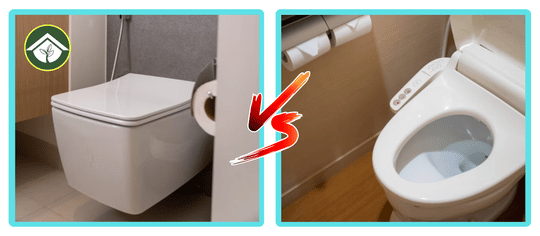
When it comes to upgrading your bathroom hygiene, you might be wondering: should you go for a bidet toilet or a bidet seat? Both options promise a cleaner, more refreshing experience, but they’re very different in how they work and what they offer.
You want something that fits your space, budget, and lifestyle without any hassle. Imagine stepping into your bathroom and feeling confident that you made the right choice—no confusion, no buyer’s remorse. This guide will break down the key differences, benefits, and what to expect from each, so you can decide exactly what’s best for you.
Ready to discover which bidet option will transform your daily routine? Let’s dive in.
Bidet Types Compared
Bidets come in several types, each with unique benefits and features. Choosing the right bidet depends on comfort, budget, and installation preferences. Understanding the differences helps you make a better choice.
Bidet Toilet Features
A bidet toilet combines the toilet and bidet in one unit. It has built-in water spray nozzles for cleansing. The design hides plumbing and electronics inside the ceramic base. Many models offer heated seats, warm water, and air dryers. Some include automatic lids and night lights for convenience. Installation requires replacing the entire toilet, which may need a plumber. These toilets often have advanced controls for personalized use. The price is higher but offers a seamless, all-in-one experience.
Bidet Seat Features
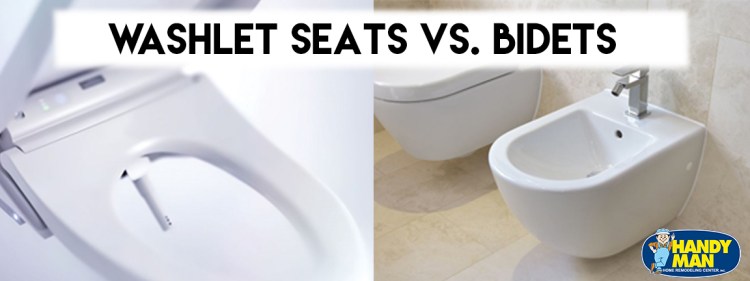
A bidet seat replaces your existing toilet seat with a cleansing unit. It can be electric or non-electric. Electric seats offer heated water, warm air dryers, and remote controls. Non-electric seats use water pressure for basic cleaning. Installation is simpler than a full bidet toilet. These seats usually fit most standard toilets. The seat may be slightly larger or raised due to built-in components. Bidet seats provide many features without replacing the whole toilet. They are a mid-range option in price and function.
Bidet Attachments Overview
Bidet attachments connect directly to your toilet’s water supply. They sit under the existing seat and spray water for cleansing. Attachments are usually non-electric and budget-friendly. Installation is quick and requires no tools or plumbing changes. Features are basic, focusing on water pressure control and nozzle position. Attachments take up little space and keep your current toilet intact. They are a good choice for first-time users or small bathrooms. These offer simple hygiene benefits at a low cost.

Credit: www.ranneyblair.com
Comfort Features
Cost plays a key role in choosing between a bidet toilet and a bidet seat. Understanding all expenses helps you find the best fit for your budget. This section breaks down initial prices, upkeep, and energy use. These factors shape the overall cost of each option.
Price Range Comparison
Bidet toilets generally cost more upfront. Prices start around $1,000 and can go beyond $3,000. These models include full toilet replacements with built-in bidet features. Bidet seats are usually cheaper. They range from $200 to $700 depending on features. Seats fit onto your current toilet, which cuts costs. The price difference reflects installation and design complexity.
Long-term Maintenance Costs
Bidet toilets may need more maintenance due to advanced plumbing and electronics. Repairs can be costly and require specialists. Bidet seats usually have simpler parts. This makes repairs and replacements easier and cheaper. Cleaning is straightforward for both types. Regular upkeep keeps performance steady and extends lifespan. Factor in possible service fees over time.
Energy Consumption
Electric bidet toilets and seats use power for features like heated water and dryers. Bidet toilets often have higher energy use because of more built-in components. Bidet seats vary; electric models consume moderate power, while non-electric ones use none. Energy use affects your utility bills over the years. Choosing energy-efficient models can lower costs and reduce environmental impact.
Installation Process
Bidets improve personal hygiene by using water to clean after using the toilet. Both bidet toilets and bidet seats offer this benefit, but their designs influence how well they perform. Understanding their hygiene and health benefits helps users choose the best option for their needs.
Effectiveness Of Cleansing
Bidet toilets usually provide a more thorough and consistent wash. They have adjustable water pressure and temperature controls. Bidet seats also offer good cleaning but may have fewer settings depending on the model. Water spray angles in both types target the right areas for effective cleansing. Using water reduces bacteria and irritation compared to toilet paper alone.
Suitability For Sensitive Conditions
People with sensitive skin or health issues benefit greatly from bidets. Bidet toilets often offer gentle wash modes and warm water, easing discomfort. Bidet seats may include soft or pulsating sprays to soothe conditions like hemorrhoids. Both types help reduce inflammation and prevent infection by avoiding harsh wiping.
Wiping Practices With Bidets
Water cleansing cuts down the need for toilet paper. Most users find they need only a light pat dry after using a bidet. This reduces skin irritation and waste. Bidet toilets and seats both support this practice. The habit of wiping less but cleaning better promotes healthier skin and better hygiene overall.
Credit: www.dadsconstruction.com
Credit: www.handymanhome.com
Frequently Asked Questions
What Is The Downside Of A Bidet Toilet Seat?
The downside of a bidet toilet seat includes higher cost, possible installation complexity, and a slightly smaller or raised seating area. Some models require electricity, which may increase maintenance needs.
What Is The Best Bidet For Bariatric Patients?
The best bidet for bariatric patients offers wide, sturdy seats and high weight capacity. Look for electric models with adjustable water pressure and heated seats for comfort and durability.
Do You Wipe Before Using A Bidet Toilet Seat?
You do not need to wipe before using a bidet toilet seat. It cleans you with water first, reducing the need for wiping. Wiping after may be gentle and minimal for drying.
Should I Use A Bidet If I Have Hemorrhoids?
Using a bidet can soothe hemorrhoids by gently cleansing without irritation. Choose warm water and a mild setting for comfort. Avoid harsh wiping to prevent pain and promote healing.
What Is The Main Difference Between A Bidet Toilet And Bidet Seat?
A bidet toilet is a full toilet unit with built-in bidet functions. A bidet seat replaces your regular toilet seat with cleansing features.
Which Is Easier To Install: Bidet Toilet Or Bidet Seat?
Bidet seats are easier to install as they fit on your current toilet. Bidet toilets need professional installation and plumbing changes.
Are Bidet Toilets More Expensive Than Bidet Seats?
Yes, bidet toilets cost more due to their all-in-one design and advanced features. Bidet seats are usually more affordable.
Can I Use A Bidet Seat On Any Toilet Model?
Most bidet seats fit standard toilets but may not suit all shapes. Check compatibility before buying to avoid installation issues.
Do Bidet Toilets Offer Better Hygiene Than Bidet Seats?
Both provide good hygiene by cleaning with water. Bidet toilets often have more features, but bidet seats work well too.
What Features Do Electric Bidet Seats Usually Have?
Electric bidet seats often include heated seats, warm water sprays, air dryers, and remote controls for comfort.
Conclusion
Choosing between a bidet toilet and a bidet seat depends on your needs. Bidet toilets offer a sleek, all-in-one design with advanced features. Bidet seats are easier to install and usually cost less. Consider your budget, bathroom space, and desired comfort.
Both options improve hygiene and reduce toilet paper use. Either way, you gain a cleaner, more refreshing bathroom experience. Think about what fits your lifestyle best before deciding. Simple upgrades can make a big difference in daily comfort.


Leave a Reply