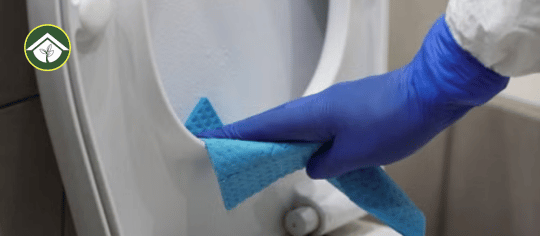
Have you ever noticed your white toilet seat suddenly turning blue and wondered what’s going on? It’s a strange and surprising sight that can leave you scratching your head.
You might think it’s a sign of something serious or just a weird bathroom mystery. The truth is, there are a few common reasons why this happens, and understanding them can help you fix the problem quickly. You’ll discover why your toilet seat is changing color, what role your clothes or body chemistry might play, and simple ways to stop the blue stains from coming back.
Keep reading to solve the mystery and get your bathroom looking fresh again!
Common Causes
The blue color appearing on your toilet seat can puzzle many. It usually results from simple, everyday factors. Understanding these common causes helps you identify the right solution quickly.
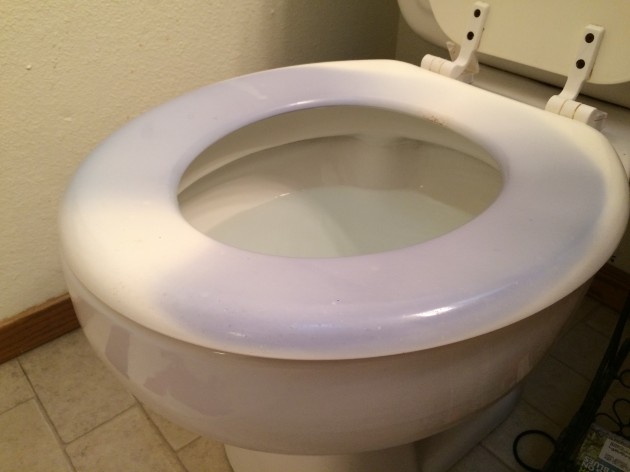
Several things can trigger this unusual discoloration. It may come from your clothes, your body, the seat itself, or cleaning chemicals. Each cause has a unique way of affecting the toilet seat’s color.
Clothing Dye Transfer
Dark-colored clothes, like blue jeans or leggings, often contain loose dye. This dye can rub off on your skin and then transfer to the toilet seat. The plastic seat absorbs the color, leaving a blue stain. New or unwashed clothes are the main sources of this dye transfer.
Hormonal Changes
Hormonal shifts, especially during pregnancy, can change your sweat’s chemistry. These changes sometimes react with the toilet seat’s surface. The reaction may cause a blue discoloration where your skin touches the seat. Prenatal vitamins might also play a role in this process.
Wear And Tear
Over time, toilet seats can lose their protective coating. This is common in cheaper or wooden seats. The worn areas reveal the primer or base layer beneath, which can look blue or gray. Regular use and cleaning can speed up this wear.
Chemical Reactions
Certain cleaning products contain chemicals that react with the seat’s materials. This reaction can cause a blue tint to appear on the surface. Harsh cleaners or bleach mixed with other chemicals increase this risk. Always use gentle products designed for plastic or wood.

Credit: www.reddit.com
Role Of Body Chemistry
Your body’s chemistry plays a key role in why your toilet seat turns blue. Small changes in sweat, medications, or supplements can cause unusual reactions. These reactions may stain the seat’s surface or change its color.
Understanding how your body chemistry interacts with the seat helps explain this strange problem. Let’s explore some common causes linked to your body’s internal changes.
Sweat And Medications
Sweat contains minerals, salts, and chemicals from your body. Certain medications change the makeup of your sweat. This can create a chemical reaction with the plastic or paint on the seat.
Some drugs cause sweat to have a blue tint or react with cleaning agents. This reaction leaves a blue mark or stain where your skin touches the seat. The effect may increase with heat or after exercise.
Pregnancy Effects
Hormonal shifts during pregnancy alter sweat composition. New hormones and prenatal vitamins change your skin’s chemistry. This can cause a mild reaction with the toilet seat material.
Many pregnant women notice blue stains appearing on their seats. This is due to the combination of sweat changes and seat surface wear. The marks often fade after pregnancy ends.
Supplement Interactions
Vitamins and supplements sometimes affect body fluids. Certain minerals, like copper or iron, may cause sweat or urine to change color. These altered fluids can react with the toilet seat.
Blue or greenish stains may appear after taking these supplements. The discoloration results from a chemical interaction between body excretions and seat materials. Stains usually disappear with regular cleaning.
Material Factors
Material factors play a big role in why your toilet seat turns blue. The seat’s base material and its coatings interact with everyday use. These interactions can cause unusual color changes.
Understanding the differences in materials helps explain why some seats discolor faster. The type of seat and its finish also affect how colors appear over time.
Plastic Vs Wooden Seats
Plastic toilet seats often have a smooth, shiny surface. This surface resists stains better but can still show color changes from chemical reactions.
Wooden seats have a natural base that may absorb moisture and chemicals. This absorption can cause the wood to discolor or show a blue tint under certain conditions.
Plastic seats usually show blue stains on the surface, while wooden seats may reveal blue from deeper layers.
Coating Breakdown
Toilet seats often have a protective coating to keep them white and clean. Over time, this coating can break down due to cleaning agents or wear.
When the coating wears off, the layer beneath may have a bluish or grayish color. This exposed layer causes the seat to look blue.
Harsh chemicals and frequent scrubbing speed up this breakdown process.
Primer Exposure
Under the topcoat, some toilet seats have a primer layer. This primer can be blue or gray in color.
If the topcoat wears down or gets scratched, the primer shows through. This gives the seat a blue appearance.
Primer exposure often happens in older seats or those with lower-quality finishes.
Credit: chemistry.stackexchange.com
How To Remove Blue Stains
Blue stains on your toilet seat can be frustrating and unsightly. Removing them requires the right approach and materials. This guide shares simple ways to clean those stubborn blue marks quickly. Follow these steps to restore your toilet seat’s original look.
Cleaning Products To Use
Start with a mild bathroom cleaner or an all-purpose cleaner. Products containing bleach can help remove blue stains effectively. Use a soft cloth or sponge to avoid scratching the seat surface. Avoid harsh abrasives that may damage the seat’s finish. Spray the cleaner directly on the stain and let it sit for a few minutes. Then, gently scrub the area in circular motions. Rinse with warm water and dry with a clean towel.
Diy Solutions
Baking soda and vinegar make a natural stain remover. Sprinkle baking soda on the blue stain. Spray white vinegar over the baking soda. The mixture will fizz and lift the stain. Let it sit for 10 to 15 minutes. Use a soft brush or cloth to scrub the area. Wipe clean with a damp cloth and dry. Lemon juice also works to break down stains. Apply fresh lemon juice on the stain and leave it for 10 minutes before scrubbing.
Preventive Tips
Keep the toilet seat dry to prevent stains. Clean it regularly with mild soap and water. Avoid sitting on the seat with wet or dyed clothing. Replace old or worn toilet seats to prevent discoloration. Consider using a seat cover if staining happens often. Regular maintenance stops stains from building up and keeps your bathroom fresh.
When To Replace Your Toilet Seat
Knowing when to replace your toilet seat helps keep your bathroom clean and comfortable. Over time, toilet seats can wear out or get damaged. A worn or damaged seat may cause staining or discomfort. Replacing it at the right time avoids bigger problems.
Signs Of Permanent Damage
Look for cracks or deep scratches on the seat. These can trap dirt and bacteria. Fading or discoloration that won’t clean off also shows damage. Loose or broken hinges make the seat unsafe. If the seat feels unstable, it needs replacement. Persistent blue stains that do not fade can mean the surface is worn out.
Choosing Durable Materials
Pick toilet seats made from strong materials like molded wood or high-quality plastic. These last longer and resist stains better. Avoid cheap plastic that wears quickly and stains easily. Look for seats with a smooth, sealed finish. This finish helps prevent dye transfer and blue stains. Materials that resist moisture and chemicals keep the seat looking new.
Credit: www.reddit.com
Frequently Asked Questions
How To Get Blue Off Of Toilet Seat?
To remove blue stains from a toilet seat, use a mixture of baking soda and water. Scrub gently with a soft cloth, then rinse thoroughly. Avoid harsh chemicals to prevent damage. Repeat as needed until the blue fades completely.
Can Hormones Turn Your Toilet Seat Blue?
Hormones can change your sweat chemistry, sometimes causing a blue tint on toilet seats. This often occurs during pregnancy.
What Causes Discoloration On A Toilet Seat?
Discoloration on a toilet seat often results from dye transfer from dark clothing, chemical reactions with body sweat, or wear exposing underlying materials.
What Does Seeing Blue Toilet Seats Mean?
Seeing blue toilet seats often means dye from clothing transfers onto the seat. Hormonal changes may also cause discoloration. Wear or damage can expose bluish underlying materials.
Why Is My Toilet Seat Turning Blue After Cleaning?
Blue stains can come from chemical reactions between cleaners and seat materials. Some cleaning products contain dyes or bleach that cause discoloration.
Can Clothing Dye Cause Blue Stains On Toilet Seats?
Yes, dyes from dark clothes like new jeans can transfer onto toilet seats. This happens when dye rubs off and sticks to the seat’s surface.
Does Body Chemistry Affect Toilet Seat Color Change?
Body sweat and oils can react with seat coatings, causing blue stains. Hormonal changes may also alter sweat, increasing this effect.
How Do Pregnancy Hormones Cause Blue Toilet Seat Stains?
Pregnancy hormones can change sweat composition, leading to reactions with seat materials. This may cause blue or greenish discoloration in some cases.
Is Wear And Tear Responsible For Blue Toilet Seat Discoloration?
Worn seats may show underlying blue or gray layers as the topcoat fades. This is common in cheaper or older wooden seats.
Can Hard Water Cause Blue Stains On Toilet Seats?
Hard water itself rarely causes blue stains, but minerals may react with cleaners, producing color changes. Regular cleaning helps prevent buildup.
Conclusion
Blue stains on your toilet seat often come from dye or body chemistry. Dark clothing dye can transfer onto the seat’s surface. Hormonal changes may also cause this unusual discoloration. Cheap or worn-out seats might reveal a blue base layer underneath.
Regular cleaning helps reduce stains and keeps your seat looking fresh. Understanding these causes makes it easier to fix the problem. Don’t worry; this issue is common and usually harmless. Simple care and attention will restore your toilet seat’s normal color.


Leave a Reply