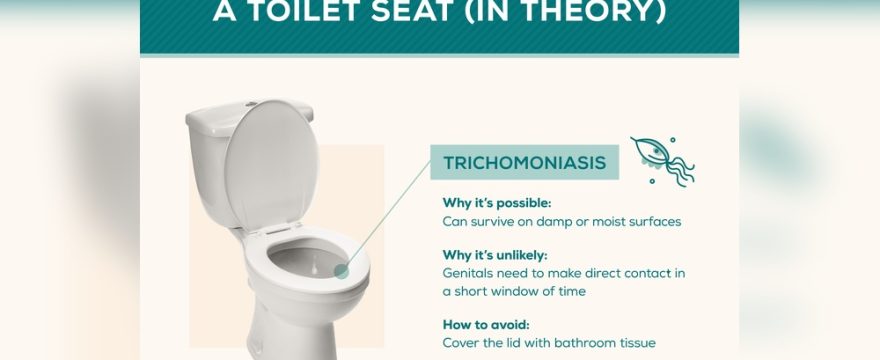
You might have wondered at some point: can you catch HIV from a toilet seat? It’s a common question that sparks a lot of fear and confusion.
The truth is, understanding how HIV spreads can put your mind at ease and help you avoid unnecessary worry. You’ll discover the facts behind HIV transmission, why a toilet seat is not a risk, and how to protect yourself in real-life situations.
Keep reading to learn what science really says—and separate myth from reality once and for all.
Credit: www.thebody.com
Hiv Survival Outside The Body
HIV does not live long outside the human body. It cannot grow or reproduce on surfaces. The virus needs specific conditions to survive and infect another person.
Exposure to air, heat, and dryness quickly reduces the virus’s ability to infect. This makes catching HIV from objects like toilet seats extremely unlikely.
Virus Lifespan On Surfaces
HIV begins to die immediately once outside the body. On dry surfaces, it loses its strength within minutes. Blood or fluids that contain the virus must stay wet to remain infectious.
Studies show HIV becomes inactive on surfaces like plastic or metal quickly. The virus cannot infect a person through contact with these surfaces.
Impact Of Environmental Factors
Heat and sunlight destroy HIV faster than cooler, dark places. Dry air causes the virus to dry out and die. Cleaning products and disinfectants also kill HIV instantly.
These factors make it almost impossible for HIV to survive on a toilet seat or bathroom surfaces. Normal cleaning and natural conditions protect against the virus.
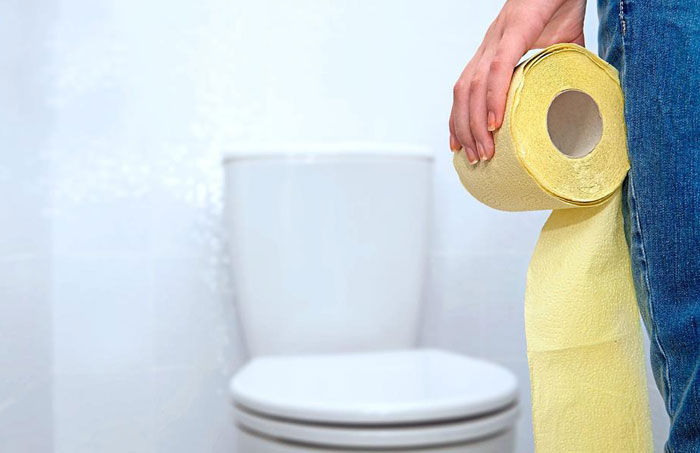
Credit: hopeacrosstheglobe.org
Common Hiv Transmission Routes
Many people worry about catching HIV from toilet seats. This fear comes from misunderstanding how HIV spreads. The truth is, toilet seats do not pose a risk for HIV transmission. Understanding why can help ease these common worries.
HIV requires specific conditions to pass from one person to another. Simply touching a surface, like a toilet seat, does not meet those conditions. Let’s explore the reasons behind this safety.
Lack Of Direct Fluid Exchange
HIV spreads through direct contact with certain body fluids. These fluids must enter the bloodstream or mucous membranes. Sitting on a toilet seat does not involve this type of contact. The virus cannot travel through intact skin.
To catch HIV, infected blood, semen, vaginal fluids, or breast milk must enter your body. Toilet seats do not provide a way for these fluids to enter your bloodstream.
No Documented Cases
Scientists and health officials have never recorded a single case of HIV transmission from a toilet seat. This fact shows how unlikely it is. Public health organizations confirm the risk is virtually zero.
HIV is fragile outside the body. It dies quickly once exposed to air and surfaces. This makes transmission from a toilet seat impossible.
Role Of Body Fluid Types
Only certain body fluids can carry enough HIV to infect someone. These include blood, semen, vaginal fluid, and breast milk. Sweat, urine, saliva, and tears carry little to no risk.
Toilet seats may have traces of urine or sweat, but these fluids do not transmit HIV. The virus needs a fluid with a high concentration to spread, which is absent on toilet seats.
Why Toilet Seats Are Safe
Many people worry about catching HIV through everyday activities. The truth is, HIV does not spread easily outside the body. Some daily actions pose little to no risk of transmission. Understanding these helps reduce unnecessary fear and stigma. Here are some common activities that are very low risk for HIV transmission.
Sharing Pools And Hot Tubs
HIV cannot live long outside the body. Pools and hot tubs are safe places. The chlorine in water kills many germs. HIV does not spread through water or casual contact. Sharing a pool or hot tub with an HIV-positive person is safe. You cannot catch HIV this way.
Using Drinking Fountains
Drinking fountains are used by many people daily. HIV does not spread through saliva in small amounts. The virus cannot survive on surfaces for long. Using a public drinking fountain does not transmit HIV. It is safe to drink after someone with HIV.
Eating And Drinking With Hiv-positive Individuals
Sharing food or drinks with someone who has HIV does not spread the virus. HIV does not pass through saliva during casual contact. Eating utensils, glasses, and plates are safe to share. HIV spreads only through specific body fluids. Eating and drinking together pose no risk.
Myths About Hiv And Public Restrooms
Maintaining good hygiene and taking preventive measures reduce the risk of many infections. This includes concerns about HIV transmission in public places. Although HIV cannot be caught from toilet seats, practicing cleanliness is important for overall health.
Simple actions can protect you from various germs in shared bathrooms. Clean hands and proper use of toilet seat covers help create a safer environment. Regular cleaning and disinfection further lower the chance of bacteria and viruses spreading.
Handwashing Importance
Washing hands thoroughly stops the spread of many infections. Use soap and water for at least 20 seconds. Focus on all parts of your hands, including between fingers and under nails. Dry hands with a clean towel or air dryer. Clean hands prevent germs from entering your body or spreading to others.
Using Toilet Seat Covers
Toilet seat covers add a layer of protection on public seats. They create a barrier between your skin and the surface. Use a fresh cover each time you sit down. If covers are not available, placing toilet paper on the seat can help. Always avoid direct skin contact with the seat for peace of mind.
Cleaning And Disinfection
Regular cleaning kills germs on toilet seats and bathroom surfaces. Use disinfectants approved to remove viruses and bacteria. Pay attention to high-touch areas like flush handles and door knobs. Cleaning reduces the risk of infections spreading in shared spaces. Carrying disinfectant wipes can be useful when public cleaning is uncertain.
Other Low-risk Activities
Understanding the facts about HIV transmission requires trusting reliable sources. Experts and health organizations provide clear information. Their research helps clear common myths. One common question is whether HIV can be caught from a toilet seat. Official guidance answers this with strong evidence.
This section highlights expert opinions from top health authorities. These sources explain how HIV spreads. They also confirm that toilet seats pose no risk for HIV infection.
Centers For Disease Control And Prevention
The Centers for Disease Control and Prevention (CDC) state no cases exist of HIV transmission from toilet seats. HIV does not survive long outside the human body. The virus cannot infect through intact skin. The CDC confirms HIV spreads only through direct contact with certain body fluids.
National Institutes Of Health
The National Institutes of Health (NIH) explain HIV transmission needs direct access to the bloodstream. Body fluids like blood, semen, vaginal secretions, and breast milk carry the virus. Casual contact with surfaces, including toilets, does not spread HIV. NIH research shows that sharing bathrooms is safe and risk-free.
Health Organizations’ Consensus
Health organizations worldwide agree that HIV does not spread via toilet seats. They emphasize the importance of understanding how HIV transmits. Avoiding myths helps reduce stigma against people living with HIV. Safe hygiene practices in public restrooms are encouraged but not because of HIV risk.
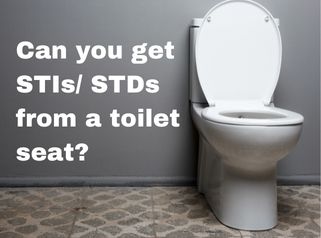
Credit: drsafehands.com
Frequently Asked Questions
Is It Safe To Share A Bathroom With Someone With Hiv?
Sharing a bathroom with someone who has HIV is safe. HIV does not spread through toilet seats or casual contact. Proper hygiene prevents any risk of infection.
What Are 5 Ways Hiv Can Be Transmitted?
HIV transmits through unprotected vaginal or anal sex, sharing needles, from mother to baby during birth or breastfeeding, blood transfusions with infected blood, and contact with infected open wounds or mucous membranes.
Is It Possible To Get Hiv From Surfaces?
No, HIV cannot spread from surfaces like toilet seats. The virus dies quickly outside the body and needs direct fluid contact to transmit.
Is It Safe To Sit On Public Toilet Seats?
Sitting on public toilet seats is generally safe and low-risk for infections. Wipe the seat or use covers for extra protection. Most germs spread through hands, door handles, or toilet flushes, not the seat itself. Practicing good hand hygiene reduces illness risk significantly.
Can You Catch Hiv From A Toilet Seat?
No, HIV cannot be caught from a toilet seat. The virus does not survive long outside the human body.
Is Hiv Transmitted Through Contact With Toilet Surfaces?
HIV transmission through toilet surfaces is impossible. The virus needs direct blood or bodily fluid contact.
Can Hiv Live On Toilet Seats Or Bathroom Surfaces?
HIV dies quickly on surfaces like toilet seats. It cannot infect through dried blood or fluids.
Is Sitting On A Public Toilet Seat Safe Regarding Hiv?
Yes, sitting on a public toilet seat is safe. There are no cases of HIV transmission this way.
Can Sharing A Bathroom Spread Hiv?
Sharing a bathroom does not spread HIV. The virus spreads only through specific bodily fluid contact.
How Does Hiv Actually Spread Between People?
HIV spreads through unprotected sex, shared needles, or mother-to-child transmission during birth or breastfeeding.
Conclusion
HIV does not spread through toilet seats. The virus cannot survive long outside the body. Contact with infected bodily fluids is needed for transmission. Sitting on a public toilet is safe and low risk. You can focus on washing hands to stay healthy.
Understanding facts helps reduce fear and stigma. Stay informed and protect yourself with simple hygiene.


Leave a Reply