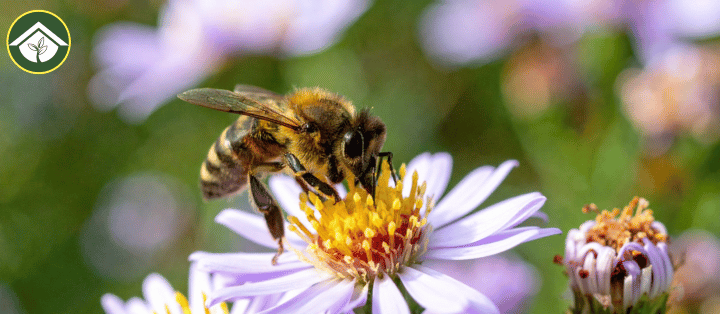
Pollinators are essential to the health, balance, and sustainability of our environment. These organisms, including bees, butterflies, birds, bats, beetles, and other insects, are responsible for transferring pollen between flowers, allowing plants to reproduce and produce seeds and fruits. Many flowering species, especially pollinator plants, rely heavily on this natural process to survive and thrive. Pollinator plants are specifically adapted to attract and support pollinating species, creating a mutually beneficial relationship that strengthens ecosystems. Without pollinators and the plants that depend on them, natural habitats, food systems, and biodiversity would face serious decline.
Pollination is not just about flowers blooming beautifully in spring. It is the foundation of food systems, wildlife habitats, and ecological stability. Every time a pollinator moves from one plant to another, it supports the continuation of plant species that provide oxygen, food, shelter, and countless environmental benefits. Understanding the importance of pollinators helps us recognize why protecting them is essential for the future of our planet.
The Role and Importance Pollinators Has On Our Environment
Plant reproduction depends heavily on the movement of pollen. When pollinators visit flowers to collect nectar or pollen for food, they unknowingly transfer pollen grains between plants. This transfer fertilizes plants and allows them to produce seeds and fruit. Many flowering plants rely almost entirely on pollinators to complete this process.
Without pollinators, plants would have limited ability to reproduce. Some plants rely on wind or self-pollination, but a large percentage depend on animals and insects. Crops such as fruits, vegetables, nuts, and seeds are particularly dependent on pollinators. Apples, almonds, blueberries, cucumbers, and many other foods would become scarce or disappear without these essential species.
This process strengthens plant populations by increasing genetic diversity. When pollen is transferred between different plants of the same species, it creates stronger, more resilient offspring. Genetic diversity helps plants survive diseases, pests, and environmental changes. In this way, pollinators contribute directly to the long-term health of ecosystems.
The Impact on Food Production and Agriculture
Pollinators are critical to global food production. A significant portion of the world’s crops depends on animal pollination. Farmers rely on bees and other pollinators to ensure successful harvests. Without adequate pollination, crop yields decrease, quality declines, and food prices may rise.
Pollinators not only increase the quantity of crops but also improve their quality. Well-pollinated plants often produce larger, more flavorful, and more nutritious fruits and vegetables. This has a direct impact on human nutrition and food security. Many vitamins and essential nutrients found in fresh produce are available because pollinators make it possible for these plants to grow and reproduce.
Beyond human consumption, pollinator-supported crops are also used to feed livestock. This means pollinators indirectly support meat and dairy production as well. Their influence extends through the entire food chain, making them indispensable to agricultural systems and rural economies.
Supporting Biodiversity and Ecosystem Stability
Pollinators are essential for maintaining biodiversity. Flowering plants form the base of most terrestrial ecosystems. When pollinators help these plants reproduce, they support habitats that countless other species rely on for survival. Birds, mammals, insects, and other wildlife depend on fruits, seeds, and plant materials made possible by pollination.
Healthy ecosystems are interconnected systems where every species plays a role. Pollinators are a key part of this network. By supporting plant diversity, they contribute to soil health, water regulation, and climate stability. Plants stabilized by pollination prevent soil erosion, absorb carbon dioxide, and release oxygen into the atmosphere.
When pollinator populations decline, ecosystems can become unstable. Fewer pollinators mean fewer plants, which leads to reduced food and shelter for wildlife. This imbalance can ripple through entire environments, affecting species at multiple levels of the food web.
How Plants Attract Pollinators
Plants have evolved fascinating strategies to attract pollinators. Flowers are not just beautiful by accident; their colors, shapes, scents, and nectar are carefully adapted to draw in specific pollinating species. Bright colors such as yellow, purple, red, and blue make flowers visible to insects and birds. Some flowers even display ultraviolet patterns that are invisible to humans but act as guides for bees.
Scent is another powerful attraction method. Sweet or strong fragrances help pollinators locate flowers from a distance. Certain flowers release their scents at specific times of day to attract particular pollinators, such as nocturnal moths or bats. This timing ensures that pollen is transferred efficiently.
Nectar serves as a reward for pollinators. It provides the energy they need to survive. As pollinators drink nectar, pollen sticks to their bodies and is carried to the next flower they visit. Some flowers have specialized shapes that match the body structure of their primary pollinators, ensuring that pollen transfer happens effectively. For example, tubular flowers are often designed for hummingbirds, while flat, open flowers may attract butterflies.
Through these adaptations, plants and pollinators have developed a mutually beneficial relationship. Plants receive the reproductive assistance they need, and pollinators gain food resources. This partnership highlights the intricate connections that sustain life in natural systems.
Environmental Benefits Beyond Pollination
The importance of pollinators extends beyond plant reproduction. By supporting plant growth, they indirectly contribute to cleaner air and water. Plants absorb carbon dioxide and help regulate the Earth’s climate. They filter pollutants and improve air quality. When pollinators ensure that plants continue to thrive, they support these environmental services.
Plant roots help maintain soil structure and prevent erosion. In areas prone to heavy rainfall or wind, strong plant systems protect landscapes from degradation. Pollinator-driven plant reproduction ensures that vegetation continues to stabilize the soil and maintain fertile land.
Pollinators also contribute to natural landscapes that support tourism and recreation. Flowering plants enhance parks, gardens, and wild spaces, providing aesthetic and emotional benefits for people. The presence of pollinators often indicates a healthy environment, which benefits both wildlife and human communities.
Threats Facing Pollinators
Despite their importance, pollinators face numerous threats. Habitat loss due to urbanization, agriculture, and deforestation reduces the availability of flowers and nesting sites. Pesticide use can harm or kill pollinators directly, weakening their populations. Climate change also disrupts flowering patterns and migration cycles, making it harder for pollinators to find food.
When habitats shrink and environmental conditions change, pollinator populations decline. This decline poses serious risks to ecosystems and food systems. Protecting pollinators requires conscious efforts to reduce harmful chemicals, plant native flowers, and preserve natural habitats.
Individuals can help by creating pollinator-friendly gardens, supporting sustainable farming practices, and raising awareness about their importance. Even small actions can contribute to healthier pollinator populations.
Why Protecting Pollinators Matters for the Future
The importance of pollinators to our environment cannot be overstated. They sustain plant life, strengthen ecosystems, and support global food production. Their work ensures biodiversity, promotes environmental stability, and maintains the delicate balance of nature.
As environmental challenges continue to grow, protecting pollinators becomes increasingly critical. Healthy pollinator populations mean resilient ecosystems, secure food supplies, and thriving natural landscapes. By understanding their role and taking steps to safeguard them, we help ensure a sustainable future for generations to come.
Pollinators may be small, but their impact is vast. Their presence shapes the world around us in ways that are both visible and invisible. Recognizing and protecting their contribution is one of the most important steps we can take to support our environment.


Leave a Reply