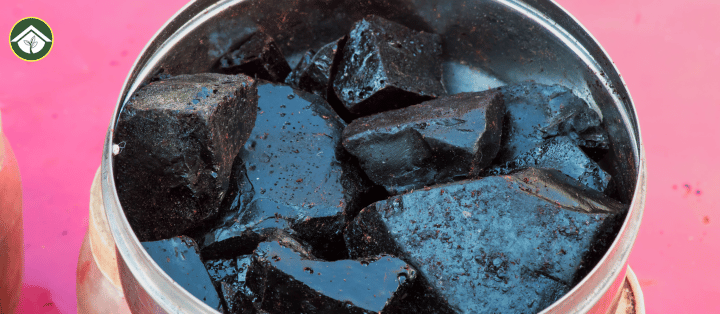
Shilajit has long been used in traditional medicine as a rejuvenative and vitality-supporting resin sourced from high-altitude mountains. As interest grows among modern wellness seekers, understanding general safety considerations is essential to help ensure effective and low-risk use. Quality, purity, dosing, interactions with medications, pre-existing health conditions, and sourcing practices all play a role in consumer safety. Choosing high-quality, lab-tested products like https://www.newphaseblends.com/product/pure-himalayan-shilajit/ can help minimize risk, but awareness of how Shilajit may affect the body and individual health situations remains critical. This guide provides a detailed overview of safety considerations for Shilajit consumers, helping you make informed decisions and use this natural resin responsibly.
Understanding What Shilajit Is and Isn’t
Before addressing safety, it’s important to clarify what Shilajit is — a mineral-rich organic resin formed over centuries from plant and microbial decomposition under geological pressure — and what it isn’t — a pharmaceutical drug or a guaranteed cure for specific diseases. While Shilajit may support general wellness and biological balance, expectations should remain grounded in its role as a supplement. Understanding this distinction helps consumers approach its use with appropriate caution and context.
Importance of Product Quality and Purity
One of the most critical safety considerations is product quality. Shilajit may contain trace minerals and bioactive compounds like fulvic acid and humic substances, but impurities can occur if the resin is harvested or processed improperly. Low-quality products may contain heavy metals (like lead or mercury), environmental toxins, or adulterants. Lab-verified products with third-party testing help ensure that contaminants are below safe thresholds. Consumers should always seek verification of purity and authenticity to avoid potentially harmful substances.
Heavy Metal Contamination Risks
Because Shilajit is sourced from mineral-rich geological formations, the potential for heavy metal contamination exists. High levels of lead, arsenic, mercury, or cadmium pose significant health risks, including neurological, renal, and cardiovascular effects. Independent lab analysis of heavy metals is essential for safe consumption. Verified products typically include certificates of analysis (COAs) confirming that heavy metal levels are within internationally recognized safety limits.
Safe Dosage Guidelines
Appropriate dosing varies by age, health status, form of Shilajit (resin, powder, capsule), and individual response. There is no universally accepted standard dose, but responsible use typically involves starting with a lower amount — for example, a pea-sized portion of resin or the manufacturer’s minimum recommended dose of a powder or capsule — then adjusting gradually. Overconsumption may increase the risk of side effects, so adhering to product recommendations and consulting a healthcare provider for personal guidance is advisable.
Potential Side Effects and How to Recognize Them
While many individuals tolerate Shilajit well, some may experience side effects, particularly at higher doses or with low-quality products. Reported mild effects include digestive discomfort, nausea, dizziness, or headaches. Allergic reactions, although rare, can occur. Users should discontinue use and consult a healthcare professional if they experience severe symptoms, such as hives, swelling, difficulty breathing, or persistent gastrointestinal upset.
Interactions With Medications
Shilajit can interact with certain medications, potentially altering how they work or increasing side effect risks. For example, because Shilajit may influence blood glucose and blood pressure, individuals on antidiabetic or antihypertensive therapies should exercise caution. Additionally, its effects on hormone levels — particularly in products that may influence testosterone — could interact with hormone therapies. Always consult a healthcare provider before combining Shilajit with prescription drugs, especially if you are on multiple medications.
Considerations for Pre-Existing Health Conditions
Individuals with certain health conditions should approach Shilajit use carefully. Those with kidney or liver disease, autoimmune disorders, or endocrine imbalances may be more sensitive to its effects. Autoimmune conditions, for example, involve immune system modulation, and Shilajit’s bioactive compounds could influence immune activity — warranting professional oversight. Personalized medical advice ensures that supplementation is safe and appropriate for your health profile.
Pregnancy and Breastfeeding Precautions
Limited research exists on Shilajit safety during pregnancy and breastfeeding. For this reason, most healthcare professionals recommend that pregnant or nursing individuals avoid Shilajit to prevent potential risks to maternal and infant health. Until rigorous safety data become available, erring on the side of caution is advisable.
Allergic Reactions and Sensitivities
Anyone with known sensitivities to botanical or resin-based supplements should approach Shilajit with caution. Allergic reactions may manifest as skin rashes, itching, or respiratory symptoms. Conducting a patch test or starting with a very low dose can help identify sensitivity before more substantial use. Discontinuation is recommended if any allergic symptoms arise.
Digestive System Considerations
Shilajit may affect digestion in some individuals, particularly those with sensitive gastrointestinal systems. Starting with a low dose and taking Shilajit with food can help minimize the risk of discomfort. Individuals with conditions like irritable bowel syndrome (IBS), gastritis, or ulcers should be particularly cautious and consult with a healthcare provider before beginning supplementation.
Electrolyte and Mineral Balance
Because Shilajit contains trace minerals, it may influence overall mineral balance in the body. While generally beneficial, individuals with conditions that affect mineral metabolism — such as kidney disease or parathyroid disorders — should consult a medical professional to ensure that mineral intake from Shilajit does not exacerbate underlying imbalances.
Psychological and Cognitive Effects
Some users report improved focus or mood when using Shilajit, which may relate to its influence on energy metabolism and neurochemical pathways. However, those with psychiatric conditions or on mood-altering medications should proceed cautiously and engage a healthcare provider’s guidance. Changes in mood or cognition, while often subtle, warrant attention when integrating any supplement.
Quality of Life and Lifestyle Integration
Responsible Shilajit use includes recognizing that it complements — rather than replaces — healthy lifestyle habits. Adequate hydration, balanced nutrition, regular physical activity, stress management, and quality sleep all support the body’s metabolic and cellular processes. Shilajit may help bolster these pathways, but synergy with lifestyle practices enhances safety and outcomes.
Monitoring and Self-Assessment
Being attentive to your body’s responses over time helps ensure safe use. Keep a journal of dosage, timing, diet, sleep, symptoms, and overall well-being. Periodic health check-ins, including blood work when relevant, provide objective data on how your body responds and help detect any issues early. If adverse effects arise, reduce dosage or discontinue use and consult a clinician.
Regulatory and Legal Considerations
Supplements like Shilajit are regulated differently than pharmaceuticals in many countries. They often fall under dietary or herbal supplement categories with less stringent pre-market approval. This makes consumer vigilance crucial. Look for products that comply with good manufacturing practices (GMP), have transparent ingredient lists, and provide laboratory certifications for purity and potency.
Ethical and Sustainable Harvesting
Responsible use also encompasses ethical considerations around sourcing. Shilajit harvesting intersects with fragile mountain ecosystems and local communities. Supporting brands that prioritize sustainable harvesting, fair compensation for local harvesters, and environmental stewardship contributes to long-term ethical use of this natural resource.
Consumer Education and Support
Before starting Shilajit, educate yourself about authentic products, potential benefits, and known safety considerations. Online resources, published research, and reputable healthcare providers can offer evidence-based insights. Engage professionals when in doubt, and avoid misinformation that makes unsupported claims about curing diseases or replacing medical care.
Conclusion: Prioritizing Safety in Shilajit Use
The potential benefits of Shilajit — from energy metabolism support to trace mineral supplementation — make it an appealing natural supplement for many. However, responsible use hinges on prioritizing safety at every step: choosing high-quality, tested products; understanding dosing and timing; recognizing contraindications; monitoring responses; and consulting healthcare providers when necessary. Awareness of how Shilajit interacts with medications, pre-existing conditions, and lifestyle factors helps minimize risk and maximize potential benefits.
Ethical sourcing and environmental stewardship further reinforce responsible use. By grounding supplementation in informed, cautious practice, consumers can make empowered decisions that support their health and well-being over the long term.


Leave a Reply